

ArtNouveauVision Blog
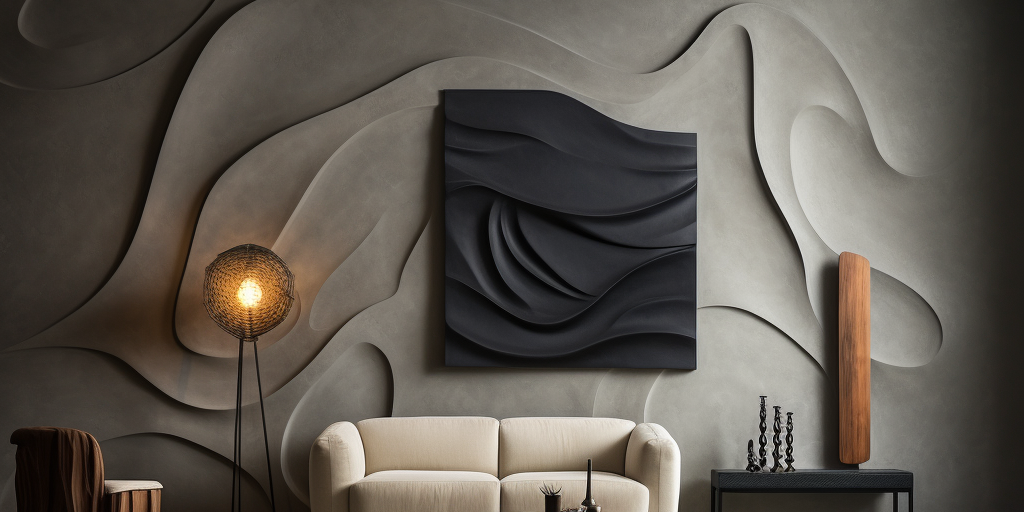

How Long Does Oil Paint Take to Dry?
When it comes to oil painting, one of the most common — and crucial — questions is: how long does oil paint take to dry? Whether you're a seasoned artist or a beginner exploring your creative side, understanding the drying process of oil paint can mean the difference between a successful masterpiece and a frustrating experience. If you're looking to discover more about stunning artworks and creative inspirations, visit our home page and start your journey into a world of artistic beauty! Factors That Affect Oil Paint Drying Time The truth is, oil paint drying time varies significantly. Depending on factors like the type of oil used, paint thickness, environmental conditions, and color pigments, drying can take anywhere from 24 hours to several months. Here are the main factors at play: 1. Type of Oil:Paints made with linseed oil typically dry faster because linseed oxidizes more quickly. On the other hand, paints based on poppyseed, walnut, or safflower oils take longer to set, but offer a smoother finish ideal for blending. 2. Layer Thickness:A thin glaze might dry within a couple of days, whereas a heavy impasto layer, with its beautiful peaks and textures, can require several months before it’s safe to varnish. 3. Environmental Conditions:High humidity slows drying because oil paints dry through oxidation, not evaporation. A cold, damp studio could make a painting stay tacky for weeks, while warm, dry environments encourage faster setting. 4. Color Pigment:Some pigments naturally dry faster due to their chemical composition. Fast-drying colors: Burnt umber, cobalt blue, raw sienna Slow-drying colors: Alizarin crimson, titanium white, ivory black If you're passionate about exploring various mediums and witnessing how different oil techniques impact the finish, browse our curated Oil Painting collection. Typical Drying Timeline for Oil Paintings Here’s a rough guide for oil paint drying under typical studio conditions (around 70°F / 21°C, moderate humidity): Paint Application Approximate Drying Time Thin Layers (Glazing) 1–3 days Moderate Layers 5–7 days Thick Impasto 1–3 months Full Curing (Deep Dry) 6–12 months Important:“Dry to the touch” doesn’t mean “ready for varnish or sale.” Full curing, where the oil has completely oxidized through every layer, can take up to a year! Looking for art that’s instantly ready for display without the long wait? Explore our Art Print section for beautifully crafted pieces with immediate availability. Real Artist Example: Waiting for Masterpieces Historically, patience with drying has shaped the most iconic works.Leonardo da Vinci, for instance, took several years to complete The Mona Lisa — not just due to fine detailing, but also because he meticulously layered oil glazes, waiting for each to dry perfectly. Modern artists often tackle multiple canvases at once, rotating projects to avoid idle time during drying.For instance, contemporary painters specializing in textured oil works often juggle 5-10 pieces simultaneously! Want to discover creative innovations in blending traditional and modern techniques? Read The Art of Combining Oil Paintings and Wood Carvings to explore how artists today create timeless pieces. How to Speed Up Oil Paint Drying (Safely!) Drying oil paint faster is possible — but caution is key! Rushing the process can cause cracks, yellowing, or adhesion issues later.Here are smart ways to encourage drying without sacrificing quality: Use a Fast-Drying Medium:Additives like Liquin or Galkyd are artist favorites. They thin the paint slightly and accelerate the oxidation process. Choose Fast-Drying Colors:Start with earth tones or cobalt hues in your underpaintings. Save slower-drying whites or blacks for final highlights. Thin Your Paint Layers:The thinner the application, the faster the oxygen reaches every molecule, speeding up the process naturally. Create a Proper Environment:Set up fans for gentle air circulation. Keep studio temperatures moderate (~70°F) and humidity low. Avoid intense heat, which causes premature skinning (only the top dries, trapping wet layers underneath). Use a Drying Box:Some artists use wooden cabinets with ventilation holes and a dehumidifier inside — a professional way to dry paintings evenly. Artist Tip:Apply the "fat over lean" principle: start with thinner paint (less oil) and gradually build to thicker, oil-rich layers. This prevents cracking and ensures better structural integrity over time. Craving more artistic insight? Check out The Most Popular Abstract Art Paintings in 2025 to discover current trends and inspiration. Oil vs Acrylic: Drying Time Compared Acrylic paint typically dries in just 15–30 minutes — making it ideal for quick projects, layering, and experimental work.Oil paint, however, allows unparalleled subtlety in blending and depth, thanks to its longer open time. Key differences: Feature Acrylic Paint Oil Paint Drying Time Minutes to hours Days to months Color Richness Bright, even finish Deep, complex blending Flexibility Very flexible Becomes rigid after curing Ease of Use Beginner-friendly Requires patience and technique Still deciding your favorite medium? Our blog Acrylic vs Oil Paint offers a complete side-by-side breakdown to help you choose! Fun Facts About Oil Paint Drying Some of Van Gogh’s paintings are still drying — over 130 years later — because of his heavy impasto techniques. The world’s most valuable paintings often have visible craquelure (fine cracks) — natural evidence of the oil drying and aging process. In conservation studios, scientists sometimes use infrared and x-ray technology to monitor drying stages in ancient artworks! Oil painting is not just about color — it's about time, atmosphere, and alchemy. Final Thoughts: Patience Pays Off While waiting for oil paint to dry can sometimes feel painstakingly slow, it's this very characteristic that allows for exquisite blending, rich textures, and incredible luminosity — the hallmarks of timeless fine art. For artists and collectors alike, understanding the nuances of how long oil paint takes to dry ensures you appreciate the craftsmanship and care behind every piece. Whether you are creating or collecting, patience truly makes the final masterpiece all the more rewarding.
Läs mer
Will Abstract Paintings Look Cluttered?
When considering new artwork for your home, you might find yourself drawn to abstract wall art paintings. They are bold, emotional, and often captivating — but a common question arises: Will abstract paintings make a space feel cluttered? The short answer is no — if thoughtfully selected and placed, abstract art can enhance a room's atmosphere, not overwhelm it. Understanding the Nature of Abstract Art Unlike traditional representational art, abstract art focuses on colors, shapes, lines, and forms rather than depicting real-life objects. This flexibility allows abstract pieces to adapt beautifully to a wide range of interior styles, from minimalist to boho chic.For example, a large canvas splashed with muted tones can act as a grounding piece in a sleek modern living room. Alternatively, a vibrant, geometric abstract painting can inject life into a neutral-toned office without creating chaos. Explore our carefully curated abstract wall art to discover how diverse and harmonious abstract styles can be. How to Prevent a Cluttered Look with Abstract Paintings 1. Pay Attention to Color Palettes Choosing abstract pieces that echo or complement the room's existing color scheme ensures cohesion. For instance, if your living room features soft blues and grays, selecting an abstract painting with similar hues will tie the space together seamlessly. 2. Select the Right Size Oversized abstract art can serve as a striking focal point without looking busy. Conversely, placing multiple small pieces too close together without a clear visual connection can risk creating a messy appearance. Balance is key — one bold, large abstract painting can often do more for a space than several small ones. If you love minimalistic designs with a modern twist, our straight line wall art offers stunning options that add elegance without clutter. 3. Mind the Frames and Placement Simple, slim frames in neutral colors can help abstract paintings "breathe" on your walls. Also, leave enough empty space around each piece. Abstract art needs room to command attention without competing with other visual elements. For a more natural, organic look that still leans abstract, you might find inspiration in our wood wall art selections, which combine artistic abstraction with the warmth of natural materials. Matching Abstract Art to Different Room Styles Modern Spaces: Bold, geometric abstracts fit perfectly with clean-lined furniture and open floor plans. Rustic Rooms: Pieces with earthy tones, natural textures, or wood accents complement rustic décor beautifully. Bohemian Vibes: Layered abstract works with rich colors and freeform shapes amplify a carefree, artistic atmosphere. Minimalist Interiors: Stick to monochromatic or two-toned abstract paintings with lots of negative space. For a deeper understanding of how abstract art styles differ — from Cubism to Color Field to Geometric abstraction — dive into our detailed guide 10 Types of Abstract Art: Characteristics and Inspiration. Real-Life Example: Transforming a Space with Abstract Art Take the example of a client who recently redesigned her home office. Initially dull and uninspiring, she introduced a large-scale blue and gold abstract painting above her desk. The effect? Instant transformation! The painting not only added depth and focus to the room but also energized the space, making it a place where creativity could flourish. Moreover, she kept her furniture neutral and minimalistic, allowing the artwork to shine without overwhelming the room. This strategy highlights how abstract paintings, far from cluttering a space, can define and elevate it. Looking ahead, trends show that bold colors and textured finishes are dominating the abstract scene. If you want to stay ahead of the curve, check out the most popular abstract art paintings in 2025 for fresh ideas. A Word About Material Choices While traditional canvas is always a safe bet, experimenting with materials like reclaimed wood can add a layer of sophistication and uniqueness. Wood-based abstract wall art creates visual interest through texture without appearing chaotic.If you’re curious about how wood art pieces blend abstract creativity with natural elements, don’t miss our comprehensive guide about wood wall art. Conclusion: Bold but Balanced In summary, abstract paintings don't inherently make a space feel cluttered — poor choices do. Thoughtful selection of size, color palette, framing, and placement ensures your abstract pieces bring depth, style, and cohesion to your home.Ready to add a bold new dimension to your walls? Start exploring our full range of abstract wall art paintings today and discover how abstract beauty can transform your space without the clutter.
Läs mer
10 Types of Abstract Art: Characteristics and Inspiration
Realist art seeks to reflect the truth of reality. Abstract art, on the other hand, pursues the exact opposite goal. Early abstract painters often used color, form, shape, and lines in their work. These paintings, sculptures, or other works are typically unrelated to known objects, landscapes, or figures.Abstract art provides artists with greater creative freedom. At the same time, it allows these abstract artists to change the traditional definition of “art.” In the eyes of today's designers, abstract art encompasses a variety of styles and artistic techniques. Overall, all abstract artworks strive to express originality, visuality, and creative expression in a non-representational way. Next, let's take a closer look at ten different types of abstract art. You can also explore The most popular abstract art paintings in 2025 to see what's currently trending. Ink Splashing, Ink Dripping, and SplatteringA typical example is the work of abstract expressionist painter Jackson Pollock. Abstract art forms such as ink splatter, ink dripping, and splashing can inject diversity and vitality into design projects.These works are particularly suitable as backgrounds for packaging and large-scale print designs, such as posters and banners. This is because they add color, texture, and dynamism to the layout. Additionally, they provide an unexpected yet cohesive and versatile backdrop for text and logos.To learn more about the ideas behind abstraction, read How Do You Interpret the Meaning of Abstract Art. Color BlockingAmerican painter Mark Rothko's large-scale “color field” works pioneered a new direction in abstract art. His massive paintings explored the psychological and dramatic potential of block-like colors. Since these abstract artworks eschew figures or landscapes. Therefore, these large-scale paintings transformed the essence of abstract painting.If you want to apply the effect of block colors to the design. Then, you can also refer to the works of Dutch painter Piet Mondrian. As an early proponent of modern abstract painting, his works are rich in colorful graphic inspiration.Since this type of abstract art uses basic color blocks as the background for the grid layout. Therefore, these paintings present a simple and attractive visual effect. Marble PatternsJapanese traditional art “sumi-e” is considered one of the early forms of abstract art. Artists float colored ink on water and transfer it to absorbent media (such as paper or fabric). Each sumi-e technique is unique, resulting in ethereal and abstract beauty.Marbled paper was widely used in bookmaking in the 18th and 19th centuries. Therefore, this artistic style is closely associated with intellectual culture. Marbled backgrounds can be used in book or stationery design. Additionally, they can be applied to website design to add a tactile experience to graphic design. CubismIn the early 20th century, painters Pablo Picasso and Georges Braque experimented with this technique. They attempted to depict all possible perspectives of a subject or object simultaneously. This experiment gave birth to Cubism. It is also an abstract art style in which the subject appears fragmented and geometric.Russian painter Wassily Kandinsky further abstracted the Cubist style. As a result, he is regarded by many art experts as a pioneer of non-representational art.Designers can update Cubism with low-poly backgrounds and architectural plane elements. This can give background textures, vector graphics, and application designs a 3D immersive visual effect. The Art of LinesThe leading abstract artist in this style is the Catalan artist Joan Miró. He combined abstract line painting with surrealist imagery. Many of his works use or are influenced by lithography techniques. This may have reinforced the graphic characteristics of his works.Abstract line art is known for using basic, continuous lines to create patterns and shapes. Line art is simple and beautiful. Designers can use it to express concepts and create symbols and logos. Memphis StyleIn the early 1980s, a group of Italian designers and artists founded the eclectic Memphis style. The Memphis style emphasizes geometric shapes, bright colors, and patterns. Its influence ranges from Art Deco to kitsch.Some consider the Memphis style to be tacky, while others appreciate its joyful and adventurous spirit. Contemporary designers have rediscovered the Memphis style and given it new life. In addition, some companies have recognized the positive and uplifting tone of this style. Designs using the Memphis style help attract and convert customers.Today, the Memphis style is experiencing a revival in three dimensions. CAD-generated renderings and stunning 3D backgrounds are breathing new life into this style. For more design ideas, explore 12 Different Types of Wall Art Styles to Elevate Your Home. Organic Abstract ArtOrganic abstract art is characterized by fluid, curved shapes and soft, medieval tones. In the 1950s, artists such as Charles and Ray Eames rediscovered indigenous art techniques. They then incorporated them into design, emphasizing natural materials, textures, and colors.For decades, designers have favored the organic abstract style for its minimalist aesthetic. They have applied it to brand building, advertising, and packaging design. HalftoneHalftone refers to the dot pattern created when an image is broken down into a series of dots during the printing process. Pop artists like Andy Warhol and Roy Lichtenstein reinterpreted this effect. In the 1960s and 1970s, these artists often aimed to make their works resemble newspaper billboards.Designers can add a retro vibe to layouts by using halftone backgrounds or overlays. Additionally, they may experiment with different halftone designs to add texture and interest to gradients. Bright, eye-catching colors complement this pop art-inspired style. On the other hand, designers can also use monochromatic tones to emphasize the newspaper background. SurrealismSurrealism is not strictly considered abstract art. However, its goal is to create distorted versions of reality by twisting realistic images. In the early 20th century, psychoanalysis influenced artists such as Salvador Dalí, René Magritte, and Frida Kahlo. Their paintings and sculptures contrasted seemingly absurd and unexpected images to expand the mind's creativity.Although Surrealism was eventually replaced by abstract modernist art. However, its style continues to inspire artists and designers who value surprise and pleasure. Look for unique photographs of sculptures, objects, and figures that incorporate Surrealist elements into their design. Abstract Relief and Sculpture ArtPainting is often considered the primary medium for abstract art. However, many artists use sculpture and relief to present abstract concepts in 3D form.A notable example is British sculptor Barbara Hepworth. She created giant sculptures using metal, stone, and wood. These works represent the pinnacle of modernist art from the 1930s to the 1960s. SummaryAbstract art emphasizes the visual atmosphere and individuality of images rather than their real-world content. As a result, abstract painting offers great flexibility. Since abstract images do not contain actual objects or figures. Therefore, designers can apply this style to a wide range of projects.Second, abstract visual elements have a powerful psychological impact. Numerous studies have shown that abstract art forms can have a significant emotional impact on viewers. This may stem from the fact that abstract art frees the brain from the constraints of reality.Many well-known graphic design styles have been inspired by abstract painting. For example, early Swiss style, Memphis style, and minimalist style. Geometric shapes, minimalist layouts, and vibrant colors are their distinctive features. Discover more styles in our curated collections like Abstract Wall Art, Vintage Wall Art, and Curved Wall Art to find the perfect fit for your space.
Läs mer
The Best Paint Colors in Your Home to Showcase Your Art
The right wall art can inject vitality into home decor and showcase your unique taste. Whether you purchase exquisite wall art decorations or create your own DIY wall art pieces, they are all worth displaying in your home gallery. However, before hanging wall art on the wall, be sure to consider the background, wall, and paint color. The color of the wall is just as important as the frame of the artwork. It should not steal the spotlight from the wall art, but rather complement it. You put a lot of effort into selecting and arranging your wall art. So you should give the same amount of attention to choosing the color of your interior walls. So, how do you determine the best paint color for displaying art in your home? Read on to learn how to choose the best wall color for your artwork. 1. Consider Personal Preferences Before hanging any artwork on your interior walls, consider the direction and concept of your decor. Imagine what you want your interior space to look like when everything is in place. If you want to create a calm or comfortable atmosphere, or if you want the space to be more elegant, bright, or clean. Your choices will help you determine the best color scheme to complement your artwork and wall colors. Darker and cooler tones are ideal for creating a peaceful atmosphere, such as green, blue, and purple. For a brighter, more minimalist design, consider combining neutral colors with soft, light tones. If you want to add drama to your interior decor, opt for bright, warm colors like magenta or red. 2. Identify the Base Color of the Wall Paint You may think the color of your interior walls is obvious, but take a closer look. Unless the walls are completely white, there is almost certainly some underlying color. It is important to note that these underlying colors will influence the overall tone. Gray, beige, and white are all paint colors with underlying tones. The challenge is that these “hidden” colors are difficult to detect until they are contrasted with other tones. This is why color swatches are so useful. If your interior wall color is eggshell white, cream, ivory, or a similar neutral white. Then you should use the purest white on the swatch to identify the base color. Similarly, compare the wall with different shades of blue, beige, or gray to sense the subtle base colors influencing the main tone. Therefore, you need to match the color scheme of the artwork with the base color of the walls. This will ensure that all elements look harmonious when placed together. To better understand how the quality of prints affects overall wall aesthetics, check out our guide: Recognize High-Quality Prints. 3. Choose a Color Scheme Here are some important design concepts and when to use the color wheel. Generally, you have three color schemes to choose from: monochromatic, complementary, or analogous. Let's take a look at what each scheme means. 3.1 Monochromatic This is a monochromatic color scheme. Monochromatic design creates a harmonious and unified visual effect by using different shades of a single color. Based on the wall color, select several different shades, tones, or brightness levels of the color and incorporate them into the artwork. 3.2 Complementary Colors If you want to create a stronger visual impact with wall art, consider a complementary color scheme. On the color wheel, complementary colors are located opposite each other, such as green and purple, or orange and blue. Combining complementary hues creates a strong contrast, adding interest to the space. If the wall paint color is neutral, consider the base color when choosing complementary colors. If the wall already has a specific color, find its opposite color on the color wheel. For ideas on how color impacts mood in specific spaces, read our blog: Which Colors of Abstract Paintings Are Suitable for Bedrooms. 3.3 Similar Colors Similar colors are colors adjacent to each other on the color wheel. Using different shades of the same color can create a more peaceful and harmonious effect between the hanging artwork and the wall color. First, select a main color, then choose two or three others as accent colors. If the wall paint color is neutral, start the color scheme from the base color of the wall. For example, if the wall color has a light blue undertone, you can choose soft green and navy blue as accent colors. To explore color pairings in shared spaces, check out Which Colors of Abstract Paintings Are Suitable for the Living Room. 4. The Best Wall Paint Colors for Hanging Artwork 4.1 Neutral Colors Neutral-toned walls are always an ideal choice for displaying artwork. For a dramatic atmosphere, opt for darker shades such as deep blue-gray. 4.2 Sky Blue Sky blue walls create a striking contrast with artwork dominated by white. Both the artwork and the wall color have a flowing texture, infusing the space with a peaceful and dreamy ambiance. 4.3 Olive Green Olive green walls complement traditional artwork and furniture in retro-style interior design. This shade evokes the atmosphere of the 1960s and 1970s. 4.4 Lavender Blue To maintain a consistent overall style, choose a wall paint color that covers the picture frame. For example, soft lavender blue walls paired with silver picture frames highlight each color block. 4.5 Peach Orange If the wall art is vibrant, avoid choosing the same color tone for the walls. Soft, low-saturation paint colors highlight the artwork while toning down other areas. Vibrant coral or peach orange backgrounds complement understated artwork. You can use contrasting tones to add balance and interest to the space. 4.6 Yellow Yellow can echo the white accents in the space. In a predominantly white environment, bright yellow wall paint can highlight artwork and furniture without overwhelming the space. 4.7 Terracotta Black and white photographs stand out against dark walls. For example, terracotta walls pair well with gray or black and white artwork. Explore art by style to perfectly pair with these colors: Minimalist Wall Art for a clean, modern vibe Contemporary Wall Art for bold and refined touches Boho Wall Art for a relaxed, artistic feel 5. Conclusion Before starting interior painting work, consider the colors, sizes, and types of artwork you plan to place on the walls. If you are still unsure about which color to choose, refer to the above suggestions and color swatches. If you are still having difficulty determining the best wall paint color to complement your artwork, consult the most professional painting contractor in your area. This will ensure you receive expert guidance and achieve the best results for your project.
Läs mer
12 Different Types of Wall Art Styles to Elevate Your Home
Do your interior walls look a little plain? Do you want to decorate your bedroom or living room better? Then come and learn about different types of wall art styles. When wall space becomes empty, it's time to add a piece or two of artwork to the walls. Art Nouveau Vision offers a variety of wall art decoration styles. From minimalist wall art to hyperrealism wall art. We will introduce you to different types of wall decoration art to help you decorate your home to a higher standard. 1. Framed Wall Art Framed art is like the “little black dress” of wall decor, with timeless charm. Whether you're framing precious family portraits, vintage maps, or unique graphic prints, these wall art pieces add structure and elegance to blank walls. With a wide variety of frame designs, you can easily customize them to suit any wall art style. Art Nouveau Vision recommends choosing a frame that suits both the style of the artwork and the overall aesthetic of the space: For traditional styles, we recommend simple wooden frames. Metal or plastic frames with unique shapes can create a modern look. You can also mix and match different types of frames to create a unique and diverse visual effect. 2. Canvas Wall Art Canvas wall art breathes new life into gallery walls. Its soft texture and elegant style make it feel as if the artwork is coming off the wall to join you for afternoon tea. Canvas art can serve as a focal point or decorative accent in a room. In addition, contrast is an effective technique for creating visual focal points with canvas wall art. You can achieve this by placing canvas wall art on walls of different colors. Furthermore, you can choose artwork that contrasts sharply with the background color to achieve this effect. When selecting canvas wall art, consider its size and proportion to the wall it will be hung on. Additionally, analyze the artwork's colors and theme to ensure they harmonize with the room's overall design style. From simple brushstrokes to complex landscapes, canvas adds depth and personality to every piece. It is an essential element of any wall art design scheme. 3. Posters Posters are not just wall art decorations for teenagers. You can also use old movie posters, vintage advertisements, or classic pop culture images to recreate a nostalgic style. Posters are easy to obtain and come in a variety of styles. Therefore, they are an affordable option for adding personality to empty walls. In addition, posters are flexible and can capture fleeting moments. You need to consider the overall space design and choose posters that match the existing decorative style. Furthermore, you can use posters to create a gallery wall layout. This is an excellent way to display multiple pieces of art while maintaining a unified visual effect. 4. Floating Acrylic Art Prints On the other hand, floating acrylic art prints are another popular wall art decoration style. The printed image is sandwiched between acrylic panels, making vibrant colors stand out even more. This creates an eye-catching three-dimensional effect for your room. Floating acrylic art prints can add a touch of modern elegance to your decor. Additionally, they are very durable and easy to clean. When selecting floating acrylic art prints, consider the size and proportions of the artwork to ensure it complements the wall where it will be placed. Don't forget to consider the colors and theme of the print to ensure it aligns with the overall style of the space. 5. Metal Wall Art Metal wall art is bold, sturdy, and exudes industrial chic. From abstract metal sculptures to intricate ironwork designs, they add a touch of avant-garde and luxury to any space. Therefore, metal wall art is perfect for individuals who want to create a unique style. When choosing metal wall art, carefully analyze the style and surface finish of the metal prints. This will ensure that they coordinate with each other and blend in with your existing decor. 6. Wood Wall Art Wood wall art can bring warm, rustic, and natural elements into your interior. You can choose carved panels, patterned wooden slats, or even painted barn boards. The grain and texture of natural wood can create a feeling of nature. Therefore, wooden wall art is an excellent choice for adding warmth and personality to your walls. In addition, it can create a cozy and comfortable atmosphere. When selecting wooden wall art, consider the type of wood, grain, and surface finish. You can learn more by referring to a comprehensive guide on wood wall art. 7. Tapestries Tapestries evoke a bohemian loft vibe. These fabric wall art pieces adorn walls with stories, legends, and vibrant colors. Additionally, they serve as insulation during colder seasons. 8. Woven wall hangings These woven wall hangings, which combine craftsmanship and tradition, usually have rich textures and unique personalities. They are typically made of yarn, which is soft to the touch, fun, and comfortable. In addition, they can add a unique and personalized style to your home. 9. Sculptures Are you more accustomed to 3D wall art decorations? Wall-mounted sculptures create dynamic visual effects through the use of light, shadows, and perspective. Whether abstract forms, realistic portraits, or geometric patterns, they can add vitality to a space. Therefore, wall-mounted sculptures are an ideal choice for enhancing the elegance and drama of walls. When choosing sculptures, be sure to consider the material and surface treatment. This will ensure that your wall art is easy to maintain and blends harmoniously with the surrounding environment. 10. Mirrors Mirrors are not only practical but also excellent home decor items. From sunflower patterns to grand Baroque styles, mirrors enhance light and space while adding a touch of luxury. Additionally, mirrors can make a room appear larger, making them perfect for decorating small apartments. They also reflect light, making the room brighter. 11. Wallpaper Wallpaper is another affordable wall art style. You can choose wallpaper with floral, geometric patterns, or metallic textures. It's like dressing your walls in luxurious attire. Wallpaper is an excellent way to update and personalize walls without having to paint them. 12. Wall decals Wall decals are the perfect choice for those who are indecisive. They are easy to apply and remove. From humorous slogans to silhouettes, they can add a touch of fun to walls. Therefore, wall decals are an excellent way to temporarily infuse personality into walls. Additionally, they are easy to apply and remove, allowing you to change styles whenever you want. 13. Summary There are countless options for wall art styles. Therefore, you can choose the right wall art based on your needs and budget. Art Nouveau Vision offers a vast collection of wall art pieces to enhance the beauty of your walls. ArtNouveauVision has everything you need. With these diverse wall art options, you can easily transform your living space. This allows your walls to reflect your personality. Remember, your home should tell your story, and these wall art ideas are the storytellers.
Läs mer
All About Wood Wall Art: A Comprehensive Guide
Are you looking for a new way to enhance the beauty of your living space? Wood wall art is the perfect choice for you! From timeless charm to design versatility, wood wall art offers numerous advantages. Art Nouveau Vision will take you on a journey to explore the wonderful world of wood wall art. 1. Why Choose Wood Wall Art? Wood wall decorations are extremely adaptable and have a natural aesthetic appeal. It can add depth and beauty to any interior design. Each piece of wall art is a striking focal point. This is because wood itself has elegant characteristics. It can showcase beauty through various textures, color variations, and finishes. The adaptability of wood spans multiple design styles. For example, rustic wall art decorations or contemporary wall art styles. This flexibility allows artisans to create intricate wood carvings or simple geometric patterns that complement various architectural themes. In addition to its aesthetic value, wood is a durable and eco-friendly material. Wood wall art embodies environmental awareness in home decoration. Furthermore, the timeless appeal of wood wall art stems from its perfect integration with any decorative style. Unlike modern designs that easily go out of fashion, the classic charm of wood ensures its enduring appeal. In addition, wood wall art is renowned for its durability. Art Nouveau Vision's wood wall art decorations are made from high-quality materials and, with proper care, will remain beautiful for years to come. It not only enhances the aesthetic appeal of the space, but can also become a valuable collector's item. Choosing Art Nouveau Vision means investing in a piece of art that exudes warmth, elegance, and natural beauty. With our help, you can turn your home into a warm and elegant haven. 2. Explore Different Styles of Wood Wall Art 2.1 Contemporary Wood Wall Art Contemporary wood art merges traditional craftsmanship with cutting-edge design principles. This results in visually appealing and thematically distinct wall art installations. A characteristic element of modern wood wall art is its emphasis on experimentation and investigation. They include sculptural installations, abstract wall hangings, and a variety of styles and techniques. Furthermore, contemporary wood wall art exhibits a thorough awareness of the inherent beauty and properties of wood. Artists frequently seek to showcase the distinctive characteristics of various tree species. For example, from the rich tones of walnut wood to the fine texture of beech wood. Natural wood has a distinctive beauty and feel. As a result, modern artists may produce works that are both raw and sophisticated. In summary, these contemporary wooden wall art pieces offer a unique perspective. They bring a distinctive decorative effect to your interior space. 2.2 Natural Wood Wall Art Natural wood wall art makes full use of the natural beauty of wood. This can highlight its organic textures, and wood grain patterns. Unlike other art forms that may involve painting or dyeing, natural wood wall art can create works that are both simple and striking. Additionally, natural wood wall art has a strong connection to the natural world. Artists incorporate untreated raw wood into their creations, creating a peaceful and harmonious atmosphere. This encourages viewers to reconnect with nature within their home environment. Whether it's rustic driftwood sculptures or smooth-sanded raw wood planks. The natural wood wall art infuses spaces with a sense of nature, warmth, and vitality.In addition to their aesthetic value, natural wood wall decorations also help protect the environment. Overall, natural wood wall art pays homage to the beauty and resilience of nature. It allows you to bring the beauty of the outdoors indoors, creating visually appealing and environmentally friendly spaces. Whether it's minimalist wood carvings or intricate wood carvings. The natural wood wall art can add a touch of natural elegance to residential or commercial spaces. 2.3 Layered Wood Wall Art Wood wall art can add depth, dimension, and visual interest to any room. This technique involves strategically arranging different wood pieces to create a rich, multi-dimensional design that catches the eye. One of the most notable aspects of layered wood wall décor is its ability to provide depth. Artists may add depth to their work by stacking and arranging wood pieces of varying forms, sizes, and thicknesses. This focuses the viewer's attention on the artwork. This approach increases the visual attractiveness and intricacy of wall art decor. Additionally, layered wood wall art offers high versatility. It can adapt to various design styles and aesthetic preferences. Whether you prefer minimalist Nordic style or boho wall art. The layered wood wall art can be customized to suit any decorative scheme or theme. In summary, layered wood wall art is a dynamic and diversified style of wall art that adds depth, texture, and visual appeal to any area. Whether used as a focal point in the living room or as a decorative accent in the hallway. The layered wood wall art fills any space with warmth and distinctive character. 3. Creative Wood Wall Art Wood wall art can infuse any space with warmth, texture, and personality. These wall art decorations can showcase intricate designs and exquisite craftsmanship, elevating the overall style of your home. Here are some specific ideas to inspire your home decor. 3.1 Forest Landscape Wood Carving This piece typically depicts a beautiful forest scene, showcasing the grandeur of nature. These exquisite wooden carvings bring a touch of nature into your home. Therefore, they are perfect for nature lovers. 3.2 Geometric Wood Wall Panels These panels feature geometric patterns and designs. They create stunning visual effects. Since they can add a modern and elegant atmosphere to any room, they are often used as accent walls in living rooms or bedrooms. 3.3 Abstract Wood Wall Sculptures Abstract wood sculptures provide a contemporary artistic focal point for any space. These pieces vary in shape, size, and color. They can add a unique creative element to interior design. 3.4 Wood World Map A wood world map combines educational and decorative functions. You can place it in a study or living room to add an elegant, international decorative touch to the space. 4. Conclusion Wood wall art brings timeless elegance and diversity to home design. Its natural beauty and durability can add warmth and personality to any space. From modern designs to natural textures and layered pieces, wood wall art offers endless possibilities for expressing personal taste and enhancing the home environment. In summary, wood wall art can elevate the sophistication of any environment. Whether you prefer modern, rustic, or whimsical styles. Art Nouveau Vision can provide you with the wood wall art you need.
Läs mer
How Do You Recognize High-Quality Prints?
When shopping for art online or in galleries, especially in the world of contemporary decor, one question often arises: How do you recognize a high-quality art print? With the explosion of digital printing and mass production, not all prints are created equal. Whether you're a seasoned collector or decorating your home for the first time, knowing how to spot top-tier quality can save you money—and elevate your space. One of the best places to begin exploring fine print craftsmanship is through abstract canvas wall art, a popular category that combines creativity, modern design, and versatile home decor options. Why Quality Matters in Art Prints A high-quality print doesn’t just look better—it lasts longer, resists fading, and retains the original artwork’s texture and vibrancy. Whether you're decorating your bedroom, living room, or office, investing in well-made prints ensures your wall art stays stunning for years. Let’s break down the key elements of a premium art print—and how to identify them at a glance. 1. Sharp, Crisp Image Reproduction Top-quality prints maintain the fine details of the original artwork. Edges should be sharp, not pixelated or blurry. This is particularly important for complex pieces such as those found in our abstract wall art collection, where texture, brushwork, and layering are part of the visual experience. Example: In an abstract swirl of blue and gold, you should be able to distinguish each fine brushstroke—even from a distance. If colors look muddy or outlines are indistinct, it’s likely a lower-quality reproduction. 2. High-Resolution Printing The resolution of a print—measured in DPI (dots per inch)—directly affects its clarity. Fine art prints are typically produced at 300 DPI or higher. Anything less can compromise image quality, especially on large-format pieces like those in our Art Print collection. If you're buying online and the DPI isn't listed, zoom in on the sample images. Blurriness or graininess is a red flag. 3. Professional-Grade Materials Paper and canvas matter just as much as the image itself. Acid-free, archival-quality materials resist yellowing, moisture, and deterioration over time. Many of our pieces—including wood wall art—are printed on sustainably sourced, museum-grade surfaces. This ensures rich color absorption and long-lasting durability, perfect for maintaining color intensity even in well-lit rooms. Tip: Always check the product description for terms like “archival,” “giclée print,” or “UV-resistant inks.” These signal top-tier quality. 4. True-to-Life Color Accuracy Colors in a high-quality print should feel vibrant but natural—not overly saturated or dull. Abstract prints especially rely on bold, expressive palettes. That’s why quality prints use fade-resistant, pigment-based inks to match the artist’s original vision. To get inspired by how color influences space, see how we approach color psychology in our blog: Which Colors of Abstract Paintings Are Suitable for Bedrooms. 5. Solid, Gallery-Wrapped Canvas Edges In premium canvas prints, the artwork often wraps around the edge of the frame—called a “gallery wrap.” This gives a clean, modern look and eliminates the need for framing (although you can still frame it if you want to). This is especially desirable in larger statement pieces or trending formats, like those featured in The Most Popular Abstract Art Paintings in 2025. 6. Consistency Across Editions If a piece is part of a limited edition, check for consistency in color, number labeling, and signatures. A high-quality print run maintains uniform quality across all copies. Each should match in tone, saturation, and finish. 7. Certificate of Authenticity (COA) Many professional artists and galleries include a COA to verify that the print is genuine and limited. While not always essential, it's a sign of professionalism and collectible value. 8. Presentation and Framing Options How a print is presented can signal its quality too. Premium prints come well-packaged, often ready to hang, and with optional custom framing. Curious about display? Check out our guide on How to Frame a Canvas Print for tips on bringing gallery flair to your home. For those planning a larger redecorating project, consider room-by-room strategies—like this helpful read: Which Colors of Abstract Paintings Are Suitable for the Living Room. Final Thoughts: Invest in Art That Lasts Not all art prints are created equal. But once you know what to look for—from sharpness to materials to presentation—you’ll never settle for less again. Whether you’re building a home gallery or adding personality to your favorite nook, always prioritize quality. And if you're just starting to build your personal collection, there's no better place to explore than our diverse range of abstract canvas wall art. It’s where modern expression meets timeless craftsmanship.
Läs mer
Which Colors of Abstract Paintings Are Suitable for Bedrooms?
Decorating your bedroom is about more than just aesthetics—it’s about creating an atmosphere that promotes relaxation, comfort, and personal expression. One of the most effective ways to elevate a bedroom's mood is through art, especially abstract art. But not all abstract pieces are equal when it comes to bedrooms. Which colors are best suited for this restful space? Let’s dive into the world of hues, moods, and masterful compositions to guide your next choice in wall decor. If you're starting your journey into modern bedroom aesthetics, wall art abstract wall art offers an expansive universe of styles, textures, and tones that fit every mood and personality. Why Color Choice Matters in Bedrooms Colors have a significant psychological impact. In a bedroom—the place where we wind down, sleep, and sometimes even work or meditate—the color of your art should align with your needs. For instance, some colors calm the mind, while others stimulate creativity or warmth. 1. Blue Tones – Calm, Cool, and Collected Blue is a classic bedroom color because it brings a sense of tranquility and order. Light and dusty blues work especially well in abstract pieces, giving off a serene, spa-like vibe. You can explore beautiful soft-toned canvases in our curated abstract wall art. Look for swirling textures or fluid acrylics in icy blue or soft sapphire—perfect complements to white, gray, or navy bedding. 2. Green Shades – Natural Harmony Greens—especially muted sage, forest green, or mint—are ideal for promoting balance and calm. These hues mirror nature, bringing the outdoors in and promoting emotional restoration. For those who love structure in their space, geometric wall art with green tones offers both clarity and calm. Think triangular patterns in moss or emerald tones, grounded by neutral shapes that keep things visually balanced. 3. Earthy Neutrals – Warm and Grounded Tones like beige, taupe, clay, and warm gray work beautifully in bedrooms. They create a cozy, cocooning effect that makes it easier to relax. Minimalist abstract pieces from our straight line wall art often feature these palettes. These works use lines and muted tones to draw the eye without overwhelming the space—perfect for a peaceful retreat. 4. Subtle Hints of Red, Orange, or Yellow – Energy in Moderation While bedrooms are typically reserved for softer tones, a dash of warmer color can energize the space, especially if your room gets little natural light. Instead of full-color saturation, look for abstract art that uses warm hues as accents. A canvas with soft ochre strokes or delicate peach undertones can add life without creating chaos. To understand more about how abstract art communicates emotion and balance through form and color, check out our blog: Interpret the Meaning of Abstract Art. 5. Monochrome Magic – The Modern Minimalist's Dream If you're a fan of clean, contemporary aesthetics, monochrome abstract art may be perfect. Black and white or grayscale pieces can be deeply expressive without being visually noisy. This trend is seeing a big resurgence this year—explore what’s hot in our recent blog: The Most Popular Abstract Art Paintings in 2025. Pairing Wall Colors with Abstract Art Here’s a quick guide to pairing bedroom wall paint with the right abstract color tones: White or neutral walls: Nearly anything goes, but soft blues and greens shine brightest. Colored walls (e.g., sage, navy, or blush): Go for contrast—grays, monochromes, or complementary tones work well. Dark walls: Choose light or metallic-toned art to brighten and balance. For more room-specific advice, check out our color guide for living spaces: Which Colors of Abstract Paintings Are Suitable for the Living Room. Go Beyond Color – Think Texture and Form In modern bedroom design, texture plays a vital role. A canvas with raised paint, layered effects, or mixed media can add depth to your space even if it features a muted color scheme. Need some stylistic direction? We’ve put together a comprehensive visual guide on how to bring personality into your room through wall decor. Don’t miss: The Best Bedroom Wall Decor Art Ideas. Whether your bedroom is a cool-toned haven or a warm, cozy retreat, the right abstract artwork can pull everything together. Keep your walls intentional, inspiring, and tailored to how you want to feel—because great sleep begins with great design. Ready to transform your space? Let your walls speak your story.
Läs mer
Which colors of abstract paintings are suitable for the living room?
Choosing the perfect hues for your living room’s modern abstract wall art involves more than matching your sofa—colors profoundly affect mood, perception of space, and the overall vibe of your home. In 2025, designers favor a spectrum from soothing blues and greens to earthy browns and muddy pinks, blending contemporary trends with timeless psychology. Understanding these effects helps you select pieces that not only look beautiful but also foster the desired atmosphere—whether that’s calm relaxation or vibrant energy. 1. Calming Cool Tones: Blues & Greens Shades of blue and green are renowned for their tranquil, restorative qualities, making them ideal for social spaces like living rooms. Soft blues can make a room feel more open and airy, while quieter greens—such as sage or hunter—evoke nature and balance. For more serene options, browse our abstract wall art collection to find pieces that bring the outdoors in. 2. Warm Earthy Hues: Browns, Terracotta & Yellows Warm earth tones like terracotta and rich browns create a cozy, grounded ambiance that’s perfect for unwinding after a long day. In 2025, “Truffle Brown” and dusty reds are topping trend lists for their ability to pair seamlessly with neutrals or serve as a dramatic focal point. If you prefer gentle curves and organic shapes, explore our curved wall art for earth-toned abstracts that feel both modern and inviting. 3. Muted Muddied Pinks & Purples Complex, “muddied” pinks and purples—think dusty mauve or eggplant—offer a refined twist on traditionally bold hues, adding depth without overpowering a space. These tones work especially well in living rooms seeking a touch of luxury and warmth, evoking both creativity and comfort. Find timeless palettes in our vintage wall art selection to incorporate these sophisticated shades. 4. Vibrant Accents: Chartreuse & Bold Contrasts For those who love a pop of energy, chartreuse and other vibrant accents can act as modern neutrals when used sparingly—perfect for pillows, throws, or a single statement painting. Pair chartreuse highlights with complementary metallics or deep charcoals to achieve dynamic contrast without chaos. Dive into our blog post Interpret the Meaning of Abstract Art to see how strategic accent colors transform mood and perception. 5. Neutral Foundations: Greige & Off-Whites Neutral “greige” (gray-beige) and soft off-whites provide a versatile backdrop that allows your abstract pieces to shine while maintaining a cohesive environment. These understated hues give you freedom to rotate accent works in different colors—such as bold reds or blues—without repainting walls. Check out The most popular abstract art paintings in 2025 for inspiration on pairing neutrals with trending color palettes. 6. Styling Abstract Colors in Your Living Room When styling, aim for balance: one large statement piece in a vibrant hue can be offset by subtler companions in similar tones or complementary shades. Grouping works—such as a triptych of blues and greens—can create a gallery-wall effect that feels curated yet harmonious. See stunning ideas in Contemporary Wall Art for Living Room to learn how professionals mix and match abstract colors. 7. Seasonal Rotation for Ever-Fresh Interiors Rotating abstract works with the seasons keeps your space feeling current and engaging.Spring calls for light florals and pastel washes, summer for bright, energetic contrasts, autumn for warm terracotta and ochre tones, and winter for deep jewel-tones or serene cool fields.By swapping just one or two pieces every quarter, you align your décor with nature’s cycle and stave off visual fatigue. 8. Virtual & Augmented Reality Previews Before committing to large-scale abstracts, use AR apps to virtually “hang” art in your actual room, ensuring perfect scale and color harmony.Platforms like Minted’s wall art visualizer let you point your phone at any wall and instantly test different pieces and sizes in real time.Some retailers now offer full VR gallery tours so you can experience immersive exhibitions at life-size scale without leaving home. 9. Art Investment & Market Value Abstract art has grown into a stable alternative asset, with private sales up 17% year-over-year despite auction dips, making mid-career artists a compelling hedge against market volatility.Collectors eye emerging painters featured in Artsy’s 2025 trend reports for potential 5–10 year appreciation, focusing on provenance, edition size, and exhibition history to maximize ROI. 10. Sustainable & Eco-Friendly Practices Eco-conscious buyers now seek art made with recycled canvases, organic pigments, and carbon-neutral framing.Initiatives like “Art for Your Oceans” showcase works in seaweed ink harvested from farmed kelp—merging environmental narrative with rich, earthy texture.Opt for FSC-certified wood frames or reclaimed materials to reduce your décor’s carbon footprint without compromising style. 11. Custom Commissions & Personalization Commissioning bespoke abstracts ensures perfect scale, palette, and emotional resonance in your living room.Start with a clear brief—desired mood, color avoidances, wall dimensions—and allow the artist to innovate within their signature style.Platforms like Abstract House streamline the process, delivering site-specific originals complete with certificates of authenticity in as little as 2–3 weeks. 12. The Art of Layering Textures & Patterns Layering diverse textures—impasto paint, metal leaf, textile seams—adds depth and tactility to abstract groupings.Combine a smooth color-field canvas with a heavily textured mixed-media piece to create contrast and intrigue.Introduce patterned pillows or rugs that echo abstract motifs to tie the room together and reinforce your color story. 13. Smart Lighting & Home Automation Smart lighting systems can shift color temperature and intensity throughout the day, enhancing mood and highlighting abstract details.Use focused track lights or picture-lights with adjustable beams for sculptural abstracts; LED backlighting can dramatize mixed-media reliefs.Integrate with home-automation hubs to schedule warmer tones in the evening and cooler daylight hues by day, optimizing comfort and energy use. 14. Cultural Context & Personal Expression Abstract art often channels cultural narratives—from Russian avant-garde echoes to contemporary AI-driven motifs—infusing your living room with story and meaning.Selecting works by diverse global artists broadens aesthetic dialogue and embeds personal identity within your décor.Pairing culturally resonant pieces with complementary accents (textiles, artifacts) fosters a layered, authentic environment. 15. Care & Maintenance Best Practices Maintain stable humidity (45–55%) and avoid direct UV exposure to preserve pigment vibrancy over time.Dust gently with a dry microfiber cloth; never use water or solvents on acrylic and mixed-media surfaces.For framed works, consider UV-filtering glazing to shield against fading in bright rooms. 16. Conclusion & Next Steps Selecting colors for abstract paintings in your living room is a blend of psychology, trends, and personal preference. Whether you lean toward calming cools or warm earth tones, thoughtful color choice ensures your space feels both stylish and attuned to your mood. Need help refining your pick? Read choose the perfect wall art for living room for a step-by-step guide tailored to your décor.
Läs mer