

ArtNouveauVision Blog

Exploring the Durability and Texture of Different Wood Carvings
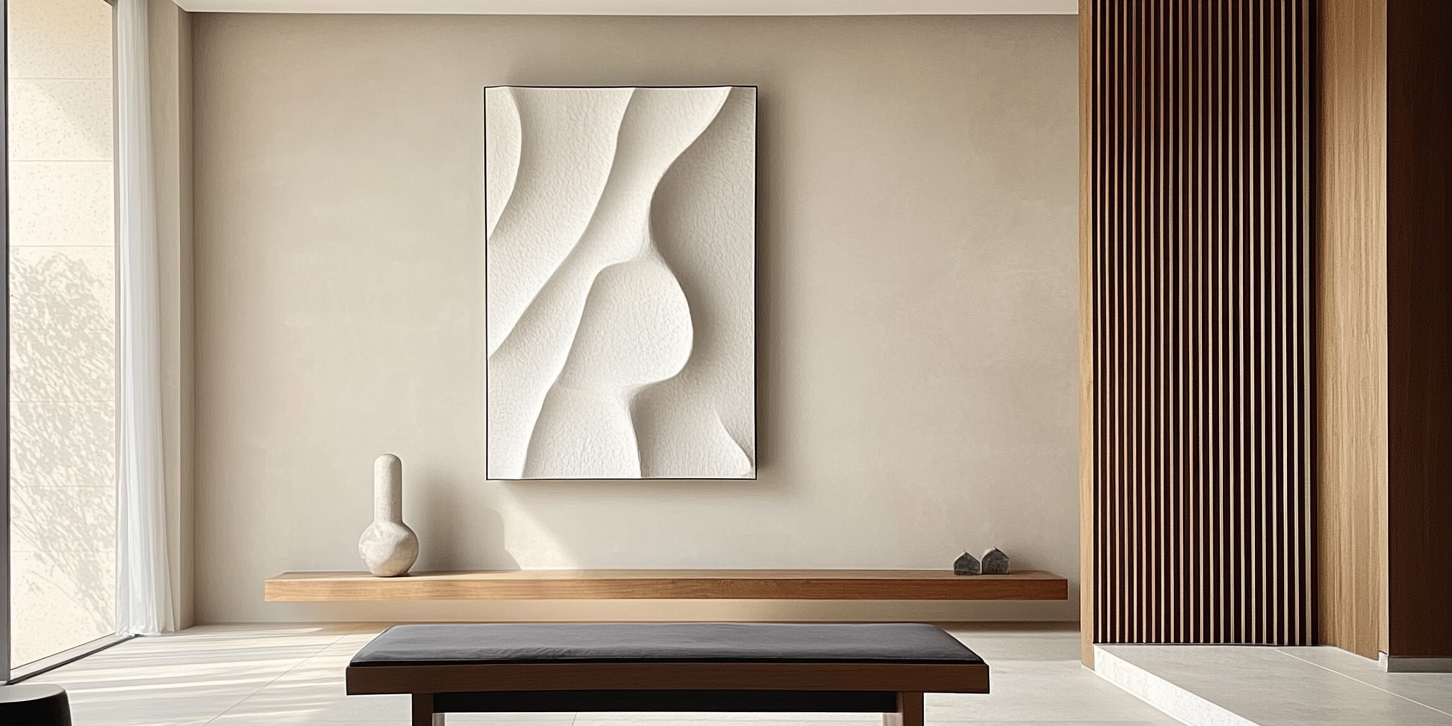
Wood carving has long been celebrated for its rich textures, natural warmth, and timeless appeal. In today’s modern décor, pieces of carved wood not only serve as cultural artifacts but also add a dynamic layer of visual interest and depth. In this post, we explore the durability and texture of different wood carvings, along with examples and practical tips that will help you appreciate and care for your art collection. The Timeless Appeal of Carved Wood Carved wood has a storied history in art, architecture, and daily life. Its enduring quality comes from the natural strength of the wood, combined with the skill of the artisan. When considering a decorative piece, many art enthusiasts turn to wooden wall art. This type of art not only enhances interior spaces with its organic charm but also stands as a testament to enduring craft. Wood carvings are produced using various techniques—from intricate relief carvings to bold sculptural forms. While the methods may vary, the resulting textures and finishes play a crucial role in defining the character of each piece. Some carvings emphasize fine details, showing off delicate patterns etched into the grain, while others feature rougher, more expressive strokes that highlight the natural texture of the wood. Durability: Choosing the Right Wood The durability of a wood carving largely depends on the type of wood used and the techniques of the carving process. Hardwoods like oak, walnut, and teak are prized for their strength and longevity. For instance, oak carvings are known for their resistance to wear and natural decay, making them an ideal choice for both indoor displays and outdoor installations. In contrast, softer woods such as pine or fir offer a different charm with their lighter tones and more malleable texture but might require additional maintenance or treatment to withstand time. Modern artisans often enhance the durability of their work through careful finishing techniques. Varnishes and oils can help protect wood carvings from moisture, UV rays, and everyday wear, ensuring that the beauty of the texture endures. When browsing for quality pieces, many customers are drawn to curated collections like our wood wall art that showcase a diverse range of finishes and woodworking styles. Texture: The Art of Touch and Visual Impact The texture of a wood carving is what truly sets it apart as an art form. This texture is influenced by several factors: Grain Patterns: The natural grain of the wood provides a unique, organic backdrop for carvings. Each piece’s grain varies, giving it a one-of-a-kind quality. For example, a carved piece that follows the natural grain of mahogany exhibits a rich, detailed pattern that is immediately eye-catching. Carving Depth: The depth of the carving can create dramatic contrasts between light and shadow, adding a three-dimensional quality to the work. Deep carvings may showcase bold lines and distinct textures that feel both tactile and visually dynamic. Finish and Treatment: The final finish applied to a carving, whether matte, glossy, or satin, significantly affects its visual appeal. A well-finished piece can enhance the natural beauty of the wood, highlighting every ridge and groove, while also protecting it from environmental factors. Many modern designs incorporate innovative techniques to achieve a layered effect. One interesting approach is seen in curved wall art, where artisans use curvature to add softness and fluidity to the hard surfaces of the wood, resulting in a design that is both modern and timeless. Real-Life Examples and Applications Consider a contemporary living room that incorporates a large, statement wood carving as its centerpiece. In one inspiring instance, a homeowner selected a custom piece of wooden wall art that featured deep relief carvings with intricate details. The carving not only accentuated the natural grain of the wood but also served as a focal point that enhanced the overall ambiance of the space. Paired with modern furnishings and ambient lighting, the wood carving brought together a harmonious blend of nature and modernity. In another example, an office environment benefits greatly from carvings that add a touch of elegance and sophistication. A carefully chosen piece from a wood wall art collection can infuse the workspace with a sense of grounded creativity. The durability of hardwood carvings, when maintained properly, ensures that these art pieces continue to make a positive impression over time. For spaces that require both aesthetic appeal and resilience—such as public lobbies or outdoor terraces—selecting the right type of wood and finish is crucial. Using high-quality, weather-resistant finishes can help preserve the piece against the elements, ensuring it remains an enduring part of your décor. Caring for Your Wood Carvings Proper maintenance is key to preserving both the durability and texture of wood carvings. Regular cleaning, proper humidity control, and periodic refinishing can keep your art looking vibrant year after year. For detailed guidelines on caring for different types of wall art, check out our informative guide on clean wall art works made of different materials. Routine maintenance might involve: Dusting and Cleaning: Use a soft, dry cloth to gently remove dust. Avoid abrasive cleaners that might damage the surface. Control of Environmental Factors: Prevent exposure to direct sunlight and high humidity to avoid warping and fading. Refinishing When Needed: For some carvings, a fresh coat of protective oil or varnish can renew the finish and restore depth to the texture. These steps not only help maintain the visual appeal of your carvings but also ensure that their natural durability endures. Conclusion Understanding the durability and texture of different wood carvings is essential when choosing the perfect piece for your home or office. By focusing on quality materials and expert craftsmanship, you can appreciate the unique beauty inherent in each carving. Whether you’re drawn to robust hardwood pieces that embody strength and longevity or to intricately detailed carvings that highlight the natural grain and texture, art in the form of wooden wall art stands out as a timeless choice. Explore our extensive range of designs and discover how art can transform your space by visiting our homepage for exceptional wooden wall art, browsing our curated wood wall art collection, or discovering innovative designs in curved wall art. With proper care and thoughtful selection, your wood carvings will continue to inspire and captivate for generations to come.
Saber mais
Acrylic vs. Latex Paint: Which Should You Choose?
Is it time to start a new and exciting painting project? Depending on what you're painting, acrylic or latex paint may be appropriate. Latex paint is ideal for interior tasks like walls and ceilings. Acrylic paint, on the other hand, is better suited for bathroom or outdoor projects. If you need to choose between these two types of paint, we're here to help. Keep reading to learn all about latex vs. acrylic paint. This way, you can choose the best type of paint for your project and successfully remodel your area. 1. Key Differences Between Latex Paint and Acrylic Paint Latex paint is less expensive and more suitable for interior work. Acrylic paint, on the other hand, is more durable and suitable for high-humidity environments such as bathrooms. Both acrylic and latex paints use synthetic resins to suspend and bond pigments in a liquid medium until dry. Therefore, the main difference between the two is the name of the resin. Acrylic paints are more durable than latex paints. And latex paints are easier to apply. As both the paints are water based. Hence, they are preferred from the point of view of cleanliness and safety. 2. What is Latex Paint? Latex paint is a water-based paint that consists of pigments, binders, and a water-based solution. It is durable and non-toxic, making it ideal for interior applications. You can choose from a variety of sheens ranging from flat to high-gloss to best suit your home painting project. In addition, latex paint is usually less expensive. This makes it ideal for painting large areas or multiple rooms. Latex paint releases the fewest volatile organic compounds (VOCs) of any paint. This makes it an environmentally friendly choice that is also safe to use near pets and children. Pros Cons Affordable May cause wood grain to swell Dries quickly with minimal odor Can show brush strokes Water-resistant surface that won’t yellow over time Doesn’t adhere to some surfaces like metal 2.1 Advantages Latex paint has several advantages that make it a popular choice for various house painting jobs. It is not only cost-effective but also simple to use. In addition, it dries quickly and covers most surfaces in just a few coats, making painting a breeze. And its low concentration of volatile organic compounds (VOCs) ensures that no harsh fumes are produced when painting. Because latex paint is waterproof, it is easy to clean. This makes it ideal for areas with high humidity such as hallways, stairs, children's rooms, and kitchens. It is available in a variety of finishes, including matte and gloss, and is less likely to yellow over time. 2.2 Disadvantages Latex paint has a high water content, which can be a disadvantage when painting wood surfaces. This is because the increased moisture can cause the wood grain to swell. Depending on the finish and the method of application, brush marks may occur in latex paint. Therefore, it is important to pay attention to the flatness of the paint surface. In addition, latex paint can have poor adhesion on certain types of metal. 2.3 Optimal Use of Latex Paint Aluminum siding Ceilings Concrete Drywall and plaster Interior projects Painting large areas Stucco Wood 3. What is Acrylic Paint? Acrylic paint is a water-based paint consisting of pigments, binders, and acrylic resins. It has good stretching and compression properties. This makes it ideal for painting wood siding and other outdoor jobs. For example, you can use these acrylic painting ideas to decorate the house. Acrylic paint is also mold and mildew-resistant and waterproof when it dries. This is why many people choose acrylic paint when painting their bathrooms. Acrylic paint finishes are usually flat, satin, or gloss, but high-gloss or semi-gloss paint sheens are also available. Pros Cons Mold-, mildew-, UV-, and water-resistant More expensive Strong adhesive properties Moderate VOC levels Thick, durable coverage May require multiple coats Expands and contracts with fluctuating temperatures Limited finish options 3.1 Advantages Acrylic paints are durable, mildew, water, and UV resistant, and are ideal for outdoor painting applications. This type of paint has a thick, flexible covering with the ability to stretch. This ensures that the paint will not flake or break during temperature changes. In addition, acrylic paint has excellent adhesion to a wide range of materials. It can paint wood, metal, vinyl siding, drywall, and more. 3.2 Disadvantages While acrylic paint has many advantages, it also has some disadvantages. It is more expensive than latex paint, so the project will cost more. It may also require more coats than latex paint to get an even finish. This can lead to an increase in the total amount of paint used, which increases the cost. Acrylic paint has a moderate concentration of volatile organic compounds. Therefore, it is more suitable for open air ventilated outdoor work than indoor projects. 3.3 Optimal Use of Acrylic Paints Bathrooms Cabinets Exterior projects Interior trim Painting metal surfaces Painting over rust Siding Small pieces of furniture 4. How Do I Choose Acrylic or Latex Paint? When choosing between acrylic and latex paints, there are several features that may make one more suitable for your project than the other. Below is a breakdown of the important aspects to consider when picking between latex and acrylic paint. There are clear winners in each category: 4.1 Appearance: Latex Paint Both latex and acrylic paints look beautifully smooth on the right surface. Acrylic paint performs better outdoors because of its ability to expand and contract. It is also resistant to UV rays, which helps prevent fading. On the other hand, latex paint is durable and easy to clean indoors. It is also a popular choice for ceilings, high-traffic areas, and various interior paint applications. Latex paint has a superior appearance to acrylic paint. This is because it has more finishes and is easy to clean and maintain. 4.2 Durability: Acrylic Acrylic paint is more suitable for outdoor use. This is because it expands and contracts with changes in temperature. It is also resistant to moisture and scratches, making it ideal for bathrooms and interiors. Latex paint, on the other hand, is suitable for painting interior walls and ceilings. However, it is not as versatile as acrylic paint. 4.3 Price: Latex Paints Latex paint is cheaper than acrylic paint because it is more readily available. A gallon of interior latex paint typically costs between $15 and $60. The average price of a gallon of outdoor acrylic paint is between $20 and $80. 4.4 DIY Ability: Latex Paint Latex paint is easier to apply than acrylic paint. Latex paints dry quickly, and you can apply another coat in four hours. While some acrylic paints only require four hours between coats. However, experts recommend waiting eight to twelve hours for the best results. Latex paint is also easier to handle than acrylic paint. While latex paint dries quickly, you can wipe away mistakes and drips with a clean, damp cloth or paper towel. Acrylic paint, on the other hand, adheres strongly and can be difficult to erase if you make a mistake. 4.5 Maintenance: Tie Regardless of the type of paint used, once it is completely dry, walls and other painted surfaces can be cleaned with warm water and a moderate amount of detergent. Both latex and acrylic paints are easy to repair and maintain. If the kids get too excited doing crafts or if someone accidentally falls while serving dinner. Click here to find out how to clean painted walls. 4.6 Useful life: Tie The average lifespan of latex and acrylic paint surfaces is five to ten years. This depends specifically on the quality of the paint and the degree of wear and tear. Acrylic paints are better for outdoor use because of their resistance to UV rays and their ability to expand and contract with temperature changes. Latex paints perform equally well indoors in non-humid environments. 4.7 Environmentally Friendly: Latex Paints Latex paints have low volatile organic compound (VOC) emissions and are safe for children and pets when used indoors. Acrylic paints, on the other hand, emit large amounts of VOCs. Therefore, if used indoors, wear a protective mask and make sure the room is well-ventilated. 5. Summary Now, you should have a clearer idea about the difference between latex and acrylic paints. However, it's not a bad idea to get someone else's opinion. If you have questions, you can also contact us. Art Nouveau Vision has a team of highly professional services that can solve all your queries.
Saber mais
How to Get Acrylic Paint Off Clothes?
Water-based acrylic paints are popular because they are versatile, dry quickly, and are water-soluble. They also have the advantage that brushes and hands can be cleaned easily. Compared to oil paints, they are also less hazardous. Therefore, they are safe to use around children and pets. However, acrylic paints become water-repellent when dry and are difficult to get off clothes. This guide will explain how to get acrylic paint off clothes. We will also explain how to remove acrylic paint once it has dried. 1. Precautions Regarding Acrylic Paint Stains Acrylic paint stains are easily removed when they are still damp. However, once they have dried, they are very difficult to remove. If possible, acrylic paint stains on clothing should be rinsed off immediately with running cold water. Once acrylic paint dries on clothing, it is very difficult to remove completely. This is because acrylic paint is a pigment suspended in a polymer solution. It is water-soluble when wet but not when dry. Isopropanol is the most effective way to get dry acrylic paint off clothes. Other stain removers, such as ammonia, acetone, or paint thinner, can also dissolve acrylic paint. However, they are better suited to removing acrylic paint from hard surfaces than from textiles. In addition, solutions with a high water content, such as vinegar or window cleaner, should be avoided. This is because the high water content makes them ineffective against insoluble stains. Therefore, when it is necessary to wash paint off clothing, use isopropanol. Isopropanol, ammonia, acetone, and paint thinner are flammable. Therefore, when using these substances to pretreat stains on washable materials, be sure to rinse off any residue with running cold water before washing. This will prevent the appliance from catching fire. 2. Tools and Equipment You Need To clean dry acrylic paint, you will need: A butter knife or scraper A cloth Isopropanol detergent washing powder To clean cet acrylic paint, you will need: A butter knife or scraper A cloth Detergent Washing powder 3. How to Remove Acrylic Paint from Clothes If acrylic paint gets on your clothes, you should remove it immediately. This will prevent it from leaving a permanent mark. If this happens, you can wash the clothes as follows 3.1 Rinse the Paint Off with Cold Water Rinse the paint off by placing the garment in running cold water. It is best to let the water run off the back of the garment. This way, the water pushes the paint away from the fabric rather than through it. If there is a lot of paint on the garment, you can scoop it off with a plastic spoon or paper towel and then rinse it off with water. It is important to try not to push the paint deep into the fabric fibres. 3.2 Pre-treat the Stain and Wash Pre-treat the paint stain with a laundry stain remover or washing-up liquid. You then need to follow the washing recommendations on the label to remove the acrylic paint from the fabric. For example, wash the laundry as usual using the maximum water temperature that the laundry can withstand. 3.3 Check the Stain Before Drying Before putting the laundry in the dryer, make sure that the stain has been removed. The heat from the dryer can set the stain. If the stain is still there, repeat the above stain removal steps. 4. How do I Get Acrylic Paint Off My Clothes Once it Has Dried? Once acrylic paint has cured, it is very difficult to remove from clothes. You can follow the steps below to remove acrylic paint from clothes. However, before you start, please assess whether the clothes are worth saving. 4.1 Scrape Off the Paint To remove paint from fabric, you can use a butter knife or scraper. When using a scraper, you need to avoid damaging the clothes. If you accidentally scratch the clothing, it may not be necessary to remove the acrylic paint from the clothing. 4.2 Disintegrate the Paint Next, use a cloth dampened with isopropanol to gently rub the stain, allowing the paint to soak in. Isopropanol dissolves the waterproof layer of dry acrylic paint. If the color transfers from the clothing to the cloth, the alcohol is disintegrating the paint. 4.3 Pre-treat the Stain After the top layer of paint has been removed, rinse the alcohol off the laundry in cold water. Then, pretreat the stain with a laundry stain remover or liquid detergent. 4.4 Wash the Laundry Again, you need to follow the washing instructions on the label. For example, wash the laundry as usual at the maximum water temperature that the laundry can withstand. 4.5 Check the Stain Before Drying The high temperatures in the dryer can make stains more difficult to remove. Therefore, before putting the laundry in the dryer, make sure that the stains have been removed during washing. If there are still stains, repeat the stain removal process. 5. Other Methods If the stain cannot be removed after repeated attempts using alcohol and stain remover. Then, you can try the following alternative methods. 5.1 Baking Soda Mixture This method is suitable for removing both wet and dry acrylic stains. First, mix equal parts baking soda, dishwashing liquid, and rubbing alcohol. Then, apply the paste to the stain and leave it for 15 minutes. Finally, rinse thoroughly with soap and water. 5.2 Dishwashing Liquid Dishwashing liquid often contains powerful detergents that can dissolve acrylic paint when it is damp. You can rub a few drops onto the stain and then rinse with warm water. 5.3 Nail Polish Remover Acetone-based nail polish remover can be used to remove dried acrylic paint stains. This is because acetone dissolves acrylic. However, you need to be careful when using this remover. This is because it can damage materials. To find out whether the remover is safe to use, apply it to a hidden area of the item. If there are no problems, blot up the discolored area with a cotton ball soaked in nail polish remover. You can then wash the area with soap and water. 5.4 Hair spray As hair spray usually contains alcohol, it is an effective remover for dried acrylic paint. Spray the stain and then wash with soap and water. 5.5 Paint remover Alternatively, you can use commercially available stain removers designed for acrylic or emulsion paints. These also effectively remove acrylic paint. 6. Summary It should be noted that the following industrial solvents or household chemicals should be avoided when dealing with acrylic paint stains. This is because these solvents may damage the fibers of certain materials, such as acetate or triacetate. Common industrial solvents include pure acetone, turpentine, and petroleum-based paint removers or thinners. 7. Frequently Asked Questions 7.1 How Long Does it Take for Acrylic Paint to Cure on Fabric? Acrylic paints usually take 30 minutes or more to dry. Therefore, the sooner you treat a stain, the more likely it is that you can remove it completely. 7.2 Can Baking Soda Remove Acrylic Paint? Baking soda can remove both wet and dry acrylic stains. However, this method is best used in combination with baking soda, dishwashing soap, and alcohol. Leave the paste on the stain for 15 minutes, then rinse with soap and water. 7.3 Can Hairspray Get Acrylic Paint Off Clothes? Hairspray contains isopropanol, which can remove acrylic paint stains. However, hairspray may damage some materials. Therefore, please try other methods before using hairspray.
Saber mais
21 Acrylic Painting Ideas
Acrylic painting is a flexible and widely used art medium. This medium utilizes fast-drying acrylic paints to create long-lasting and colorful works of art. Acrylic paints can be used on a variety of materials, such as fabric, wood, paper, and canvas. As a result, acrylic paintings have a wide range of textures and color intensities. Acrylic painting ideas are themes or concepts that an artist can explore with acrylic paint. There are a variety of acrylic painting ideas in different styles, themes, and techniques. The most popular form is acrylic painting on canvas, which is a traditional method of creating artwork using canvas and acrylic paint. Some of the best and most popular acrylic painting ideas include landscapes with mountains and trees, floral paintings, and abstract landscapes with bright colors. Next, let's take a look at some popular acrylic painting ideas. 1. 4 Popular Acrylic Painting Ideas on Canvas 4 common acrylic painting ideas include valley sunsets, wildflower fields, city skylines, and countryside scenes. Here are some common colorful acrylic painting ideas. 1.1 Valley Sunset This acrylic painting depicts a stunning landscape. It features distant mountains, a serene lake, lush trees with pink flowers, and a stunning sunset. The color palette of this painting is earthy, with green and blue as the main tones. This color scheme can give a sense of natural beauty and serenity. 1.2 Whitehead Flower Field This acrylic painting depicts a colorful field of wildflowers. It is a bright acrylic painting. The composition of this acrylic painting is basic and gorgeous. The bright green grass is blooming with colorful flowers. The many shades of blue, pink, purple, yellow, and green create a lively and cheerful atmosphere. 1.3 City Skyline This acrylic painting depicts a city skyline with tall buildings and a setting sun. The warm colors of orange, yellow, pink, and black enhance the vibrancy of the picture. The twinkling lights outside the window create an ideal urban atmosphere. 1.4 Rural Landscape This famous acrylic composition depicts a vibrant rural area. There are gentle hills, small houses, and lots of greenery. In addition, small features such as mailboxes, fences, a flowing stream, and a beautiful sky enhance the realism of the picture. 2. 4 Simple Acrylic Painting Ideas Color block painting, galaxy painting, colorful pineapples, and autumn forests are a few simple acrylic painting ideas. 2.1 Color Block Painting This simple acrylic painting idea uses a color block design with a basic blue and white background. The geometric shapes are filled with brilliant blocks of solid colors. There are no recognizable objects or scenes in the image, and the focus is entirely on abstract shapes and colors. 2.2 Star System Painting This simple, cool acrylic galaxy painting depicts a cosmic environment. It features stars and various dust clouds and gases. It has a dark background and uses different shades of blue, pink, and white. This can give the picture a sense of depth and mystery. 2.3 Colored Pineapple This acrylic painting concept depicts a vivid pineapple. The pineapple has a realistic texture and a crown of leaves. The painting has a simple background and highlights the fruit in bright colors like yellow, green, and orange to give it a tropical look. 2.4 Autumn Forest This acrylic painting depicts an enchanting autumn forest scene with brilliant red, yellow, and orange hues. The background of the painting is a clear blue sky, and the leaves are falling, capturing the autumn scenery very well. 3. 4 Acrylic Painting Ideas for Beginners Here are 4 acrylic painting ideas for beginners: birds on a branch, umbrellas in the rain, potted plants, and abstract art. 3.1 Bird on the Branch This acrylic painting for beginners depicts two birds resting on a tree branch. Use blue for the sky and black to accent the branch and the birds. This then makes it easy to reproduce the effect. 3.2 Umbrella in the Rain This acrylic painting idea for beginners depicts an umbrella stuck upside down in the street in pouring rain. You can easily reproduce this design by using blue, white, and red colors to depict the mood and the umbrella in the rain. 3.3 Potted Plant This acrylic painting for beginners is likely to depict a simple potted plant placed in a window. To bring the plant to life, use green, brown, and terracotta colors. 3.4 Abstract Art Abstract art is one of the easiest forms for novices to begin their acrylic painting journey. This is because it does not require a specific purpose. As a result, you can use a variety of forms, flowers, lines, and curves to create gorgeous works of art. 4. Three Lovely Acrylic Painting Ideas Three cute acrylic painting ideas include a simple rabbit, an ice cream, and a beautiful penguin. 4.1 Simple Bunny This acrylic painting depicts a cute white rabbit on a soft pink background. The little black heart above the bunny adds to its cuteness. 4.2 Ice Cream This “ice cream” painting depicts a cute ice cream cone falling. The painting uses a variety of shades of brown, pink, blue and yellow to show features such as the chocolate and the top of the cone. 4.3 Cute Penguin This cute acrylic painting depicts a penguin with fluffy feathers and a big grin. The background is an icy environment in various shades of blue and white. 5. Three Fun Acrylic Painting Ideas Three fun acrylic painting ideas include a snowman, funky flowers, and a funny ostrich. 5.1 Snowman This charming acrylic painting depicts a cheerful snowman in a wintry scene. The snowman is wearing his signature carrot nose and big bowler hat. In addition, you can add snowflakes in the background for a festive look. 5.2 Funky Flowers This delightful acrylic painting depicts vibrant flowers in a variety of forms and hues. Pinks, purples, blues, and oranges combine to create a cheerful landscape. 5.3 Funny Ostrich This acrylic painting depicts the funny posture of an ostrich. Bright colors and quirky accents combine to make a joyful composition. 6. 3 Cool Acrylic Painting Ideas Three cool acrylic painting ideas include pastel clouds, paint smears, and bubble wrap flower hydrangeas. 6.1 Pink Clouds This lovely acrylic painting depicts a dreamy blue sky and fluffy pink clouds. The shades of pink range from subtle pastels to vibrant hues, making for a gorgeous piece. 6.2 Painted Acrylic This painted acrylic painting is brightly colored with pinks, crimson, blues, greens, oranges, and browns. You can experiment with paint smudging by applying acrylic paints over large areas. Then, mix them to create unique textures and patterns. 6.3 Bubble Wrap Flower Hydrangea This cool acrylic artwork depicts a bouquet of brightly colored hydrangeas. You can dot the canvas with bubble wrap covered with paint. The flowers in this painting are blue, pink, purple, yellow, and green. 7. Summary Acrylic painting is a popular painting technique that uses acrylic paint to create artwork. Acrylic paint is made by mixing colors into an acrylic polymer emulsion. Unlike oil painting, acrylic painting dries quickly and has more texture, vibrancy, and opacity. Acrylic paints are available in a variety of containers, including tubes, jars, and bottles. Acrylic paint is popular mainly because of its adaptability. It appeals to both amateur and professional painters. Some of the most popular acrylic paintings include Vincent Van Gogh's Starry Night, Jackson Pollock's Blue Column, Willem de Kooning's Woman III, Salvador Dali's Persistence of Memory, and Edward Hopper's Nighthawks.
Saber mais
Fabric Wall Art Ideas to Improve Your Home
Wondering what the most popular wall art is right now? Fabric wall art is influencing interior design. This kind of wall art decoration is affordable and has a new design. It can liven up the walls. From vivid patterns to basic framed scarves, these pieces provide texture and color with ease. You can consider transforming outdated scarves into room accents. You can also use fabric-covered canvases to freshen up a room in just a few hours. Even unassuming scraps of fabric can be used to create stunning gallery walls. This shows that fabric wall art is accessible to everyone. Art Nouveau Vision can provide you with quality fabric wall art. They combine modern and classic elements and come in many different types of colors. Textured fabric wall art can elevate even the most modest room. 1. Fabric Wall Art Ideas to Transform Your Space Fabric wall art ideas are becoming increasingly popular as an affordable way to decorate with wall art. You can choose from tapestries, woven fabrics, or framed panels. They transform walls into vibrant environments by adding texture and warmth. Additionally, you can choose materials such as cotton, linen, or woven fabrics. Then, choose bold patterns to make a statement or subtle textures for a soothing atmosphere. Many interior designers consider fabric wall art to be the ideal decorating choice. This is because it adds warmth to the interior and complements any style. l You can use dowels to hang draped fabric on poles. This can create a boho wall art style. You can quilt scraps of fabric into geometric or abstract arrangements. This creates quilted art that is visually stunning. You can also customize the space with hand-sewn embroidery hoops. For large print on the walls, consider using printed cotton wallpaper. Keep in mind that you should choose a fabric that complements the colors of the room. Large wall art with borders looks great in living rooms. A soft, layered look makes a bedroom look cozy. Combining braided rope and fabric creates rustic wall art decor. Of course, you can also use geometric patterns to create a modern look. Basic tools for a DIY project include scissors, glue, and dowels. Start with a rope loop and gradually increase the complexity as you progress. Fabric wall art ideas are suitable for any style. Whether you use strong colors or subtle textures. These wall art decorations can turn walls into a personal expression. They can improve the ambiance of any room. 2. Common Fabric Wall Art Ideas Create striking fabric wall art pieces for your walls. These ideas are suitable for both seasoned makers and novice DIYers. They add style and simplicity to modern interiors. Discover tips and designs for turning fabric into stunning works of art. 2.1 Simple Fabric Wall Art Techniques Start with simple techniques such as layering and coloring fabric. Use fabric glue to attach textured pieces of fabric to a canvas. Or practice freehand painting on lightweight materials. You can use old curtains or leftover fabric to save money and avoid waste. Here are some steps to follow. Use unused fabric scraps to create wall decorations Layer translucent fabrics to add layers and interest Paint geometric patterns on rigid fabrics to create bold expressions 2.2 Ways to Hang Fabric Wall Art You can drape or knot strips of weighted fabric so that you can hang fabric wall art without sewing. In bohemian designs, you can use macramé cords and tassels. Modern styles emphasize clean lines and symmetry. In addition, you can choose seasonal themes, such as floral patterns for spring or earth tones for fall. 2.3 Fabric Wall Art Design Choose a pattern that complements the aesthetic of your space. Minimalist interiors work best with geometric or abstract designs. Floral and botanical prints, on the other hand, add a sense of warmth. Additionally, you can combine solid-colored fabrics with printed fabrics that create dynamic contrasts. 2.4 Modern Fabric Wall Art for Contemporary Environments In a sleek, minimalist environment, bold abstract designs or geometric patterns can make a statement. For example, you can hang vertical fabric wall art above a minimalist sofa. This creates a layered look without looking cluttered. For a more cohesive look, pair woven wall art in neutral tones with metal accessories. 2.5 Combining Traditional and Modern Decor Combining old and new styles requires careful consideration. Simple fabric wall art can make this easy by providing pieces that fit any style. You can modernize handwoven textiles using stylish, frameless hangers. Additionally, you can combine vintage-inspired tapestries with mid-century modern furniture for a contrasting look. 3. Why Choose Art Nouveau Vision? Art Nouveau Vision can provide you with everything you need, including fabric wall art and other types of wall art decor. By choosing the right materials and placing them carefully, you can create a timeless and modern space. By focusing on textures and patterns, you can design interiors that evolve with your tastes while maintaining balance. Art Nouveau Vision's wall art products combine innovative design with enduring style. They can add texture and imagination to a variety of places. From minimalist to classic, each product complements a variety of styles. 4. Summary Fabric wall art can add flair and functionality to any room. Quality fabric wall art pieces are both beautiful and functional. Their prints are colorful and easy to install. As a result, fabric wall art makes it easy to update your decor or add texture. It is more adaptable than regular canvas. Fabric wall art will not fade and is easy to transport. In addition, fabric prints can be used to change the design. This allows you to update your room without purchasing a new frame. Contact us to learn how fabric wall art can improve your home. Whether modern or timeless, these pieces make walls stand out. 5. Frequently Asked Questions 5.1 What Fabric Wall Art Ideas Can I Use to Improve My Home Environment? You can layer different fabrics together or make a patterned collage. Adding 3D objects to your walls can help add layers. Hanging fabric wall art in an entryway or over a bed can create a striking effect. 5.2 How Can I Incorporate Modern Fabric Wall Art into My Existing Decor? First, choose fabric wall art that coordinates with the color and style of the room. Then, using abstract patterns or geometric shapes can bring a modern feel. This will create a balanced contrast. 5.3 How Can I Make Sure the Fabric Wall Art Complements the Overall Design of the Room? Consider the size, color, and texture of the wall art. See if it matches your decorative theme and motif. This way, each piece of wall art will complement your room without overpowering it.
Saber mais
How to Frame a Canvas Print?
Canvas prints are popular because they are inexpensive. It is a very durable wall art. The canvas used for prints is coated in a bright white color, which gives it a lively and vibrant look. Canvas prints can come in matte, glossy, satin, or metallic finishes. In addition, framing canvas prints can enhance the artwork and give it a more attractive appearance. Since many canvas prints are flat, they are easy to frame. Canvas prints are often rolled up, so they must be stretched before framing. This process requires careful and precise techniques to ensure that the canvas print fits perfectly into the frame. Next, Art Nouveau Vision will show you how to frame a canvas print. 1. How to Frame a Canvas Print? Framing a canvas print is an art that requires skill and expertise. The following is the process of preparing, framing, and storing a framed canvas print. 1.1 Choosing the Right Frame Custom picture frames are available in a wide range of materials, styles, and colors, offering you many possibilities. Before choosing a frame, carefully study the style and aesthetics of your canvas print. The frame you choose should complement the canvas print, not overpower or detract from its impact. For example, a dark frame may make a light-colored canvas print stand out. Classic pieces complement traditional, sophisticated frames. If you're not sure what color to choose, then opt for white or black. Both of these colors look great with all styles of canvas prints. In addition, these colors complement most interiors. Another key consideration is the space where the artwork will be displayed. Make sure that your canvas print complements its surroundings. 1.2 Measuring Canvas Prints Measuring a canvas print is an important step before framing it. First, leave an extra canvas at the edges to fold over the stretching bar. Therefore, your measurements must be precise to ensure that the canvas print fits perfectly into the frame. Since canvas prints are usually not square. Therefore, measure the top, center, and bottom of the canvas to get the correct proportions. Place the canvas print in the direction you intend to view it. Then, measure the height, width, and thickness of the item. Include folded corners, which may add an eighth of an inch to the measurement. If your measurements fluctuate, choose a frame based on the largest gauge. This ensures optimal spacing and alignment. 1.3 Preparing the Frame If your canvas print is a rolled canvas, unroll it before framing. You will need the following supplies: Tension rod frame Nail gun or screwdriver and screws Then, follow these steps to begin stretching the picture frame: 1. Make sure the space is clean and free of dust and debris. 2. Place the canvas print face down. Measure the distance from each corner to make sure the canvas is flat. 3. Place the stretcher bar over the canvas print and begin folding the shorter edges over the stretcher bar. Use staples or screws to secure the canvas to the stretcher bar in the middle of the folded section. Finish by folding and stapling on all sides. 4. After stapling a nail in the center of each side, pull the canvas slightly, leaving enough room for it to unfold. Staple or screw in the center on both sides. 5. Finally, pull the corners tight, cut off the edges, and staple them to the stretching bar. Once the canvas print is secured to the stretching bar, it's time to add the final frame. Stretched canvas prints are easier to frame. You can use wooden frames or floating frames made specifically for canvas prints. Floating frames also eliminate the hassle of installing glass over the piece. In addition, the depth of the canvas print will affect the frame style you choose. To ensure a satisfactory fit, choose a frame with a notch depth greater than the canvas stretcher bar. 1.4 Adding Mounting Hardware The size and weight of the canvas and frame will determine which mounting hardware you choose. D-ring hangers are ideal for mounting both large and small canvas prints. To mount artwork using D-rings, you will need to have the following items on hand: D-ring kit (D-rings, screws and wires) Screwdriver Wire cutters Tape measure or straightedge Pencil Next, install the D-rings: 1. Measure down from the top of the left and right sides of the frame and mark the location of ⅓. 2. Attach one D-ring to the designated point, facing the top of the frame. 3. Wrap the wire around one of the rings, leaving a little excess at the end to wrap the wire. 4. Wrap it around the second ring and secure it by wrapping the excess wire at the end around itself. 5. Leave some gaps in the wire for hanging. 2. Installing the Canvas Print Before hanging your wall art, you need to have a plan. Consider the direction in which the canvas print will be hung. Will it be hung horizontally or vertically? Where will it be hung? Are the walls brick or drywall, and will they hold the weight of the print? Gather your tools, including wall anchors or hooks, a hammer, nails, a tape measure, and a pencil. Begin by measuring and marking the desired height on the wall. The center of the wall art should be 57 inches above the floor, which is at normal eye level. Then, mark the center of the item. From the center point, determine where the nails or wall anchors will hold the wires. Hammer the nail into the wall, leaving enough protrusion to wrap the wire around the nail to hang the canvas. 3. Inspection and Adjustment After mounting the framed canvas print, thoroughly inspect it for any visible defects or misalignment. Adjust the mounting hardware, canvas, or frame to ensure optimal positioning. Secure any loose parts and tighten screws to ensure that your artwork is held firmly in place and will not fall out. Probe underneath the frame to make sure the wire is hooked tightly around the nails and won't come off easily. 4. Cleaning and Maintenance You may need to know how to properly clean wall art made of different materials. And the best way to clean a framed canvas print is to dust it regularly. Gently wipe the frame or glass with a light, lint-free cloth. If dust accumulates on wall art, it will lose its color and look flat. Do not use harsh chemicals or abrasive items that can damage the canvas or frame. Dip the cloth in water and wring out the excess water. Gently wipe the canvas in one direction, avoiding circling and scrubbing. 5. Summarizing Framing your canvas prints is the ideal finishing touch for your artwork. You can try framing your canvas prints yourself as a way of enjoying life. Moreover, you can also opt for framers who have extensive knowledge. They can help you choose the best frame and ensure the professional framing of your artwork.
Saber mais
The Future of Large Wall Decor
Large wall decor can significantly improve the appearance of a large living room. It makes it visually appealing and coherent modernist design. Large wall art decor serves as a focal point and provides elegance and depth to the house. Experience the change that large wall decor can bring. Let's take a deeper look into the future of large wall decor and see how choosing large wall decor can transform your interior space. 1. Why Are Large Wall Decor Becoming Popular? When it comes to interior decorating, people usually focus on modest accessories and furniture. However, an emerging trend is shifting the focus to more striking elements, which is dramatically changing interior decorating. Here's why large wall decor stands out: Immediate Impact: When you walk into a room, a large piece of wall art decor will immediately catch your eye. It's a great way to set the tone for a room. Simplified Visual Effect: A large piece of wall art emphasizes simplicity more than a bunch of smaller pieces. Too much small wall art can occasionally create visual clutter. Vary Your Style: Don't limit yourself to paintings. From murals to sculptures, there are a variety of large wall decorations to choose from. 2. Different Types of Large Wall Decor Ideas There are several different types of large wall decor ideas available in the market today. You can choose the right wall art according to your preferences and house style. Oversized Paintings or Prints: Art can communicate silently. A large painting or print can tell a story and set the mood of a room. Whether it is abstract, modern, or hyperrealism wall art. Tapestries and Wall Hangings: They are more than just a tribute to the past. Modern tapestries bring color, texture, and softness to interiors. Tapestries can be patterned and subtle or bold, depending on your preference. Metal Wall Decor: They are for those who want to combine tradition with innovation. Metal wall art adds a modern touch with its detailed features and smooth finish. Murals: A wall-sized piece of art or photograph can transport you to an alternate universe. From trees and galaxies to surreal wall art, the options are endless. 3D Wall Panels: These wall panels use shadows and light to bring a 3D effect to your walls, creating a sculptural character. Wooden Artifacts: Carved wooden panels and driftwood sculptures can bring a rustic, earthy feel to a modern room. Mirrors: In addition to being practical, a large decorative mirror can make a space appear larger, brighter, and more aesthetically pleasing. 3. How to Choose Large Wall Decor Choosing and buying large wall art can be difficult. Therefore, you can refer to the following factors to choose the right large wall decor. Room Dynamics: First, look at the available space. If the room is large with high ceilings, then wide wall decorations will be appropriate. For cozier areas, consider pieces that are huge but not overwhelming. Color Scheme: Wall decor should complement or contrast with the room's color scheme. Consider how it will interact with the existing color palette. Personal Style: Your decor should represent your personal style. Whether you prefer minimalist or maximalism art. Don't choose it just because it's trendy, but make sure it fits your style. Budget: Large wall decor comes in a wide range of prices, so you'll need to set a budget. But keep in mind that some items, especially artwork, can be an investment. Installation: Large wall decorations can be heavy. Make sure your walls are sturdy enough to withstand the weight and have the right mounting brackets. Balance and Harmony: Consider how large wall decorations will work with other elements in the area. For example, existing furniture, flooring, and lighting. 4. Understanding the Importance of Trim Size The concept of large wall decor is more than just taking up wall space. Through the precise interaction of size, color, and design elements, visual masterpieces can be created. Depth of Space: Larger items can add depth to a room. Especially in compact or small areas. A large painting or mural can make a space appear larger and create a light atmosphere. Setting the Mood: Large wall art can set the tone for a room. A large photo of a beach can evoke tranquility. While a vivid abstract piece can inspire energy. Architectural Fusion: Large wall decor can blend well with architectural features. You might consider pairing the mantel with a long horizontal piece of art. In addition, you can use vertical artwork to accent tall, narrow walls. 5. Popular Large Wall Decor Options The wall decor market is constantly evolving. Today, there are many solutions to suit every taste and house type. Canvas Divided Art: This is a new twist on traditional painting. When placed side by side, a number of canvas panels divide the artwork into a unified image. This trendy approach can add flair to a modern home. Green Walls: This method is perfect for nature lovers. Transforming a wall into a vertical garden may be both visually appealing and environmentally healthy. You can even add succulents, ferns, and herbs to these vibrant walls. Ethnic Crafts: For those looking for global décor, giant tribal masks, dream catchers, and traditional weavings can add a unique flavor. Carving Panels: These are 3D wall panels with repeating patterns. They experiment with light and shadow to create ever-changing images over time. 6. Tips for Integrating Large Wall Decor To successfully incorporate large wall decorations, it is important to consider a number of factors: Wall Assessment: Not all walls are suitable for large-scale decorations. Consider the sturdiness of the wall, especially if you plan to hang large wall art. Balance of Proportions: Although you tend to place large decorations. Make sure they don't overshadow other items in the area. Positioning and Lighting: Proper lighting can enhance the decorations. You may want to consider using spotlights for artwork and ambient lighting for textured panels. Variation is Good: Remember that wall decor is not permanent. It doesn't hurt to change it up once in a while. You can change or replace the decorations to give the room a new look. 7. Summarize Choosing large wall decor means celebrating the power of scale, design, and beauty. These wall arts can transform a space, not just fill it. They can spark conversations and improve moods. Most importantly, they represent personal style. Large wall decor enhances this narrative, making each space a gorgeous chapter in the story of “home.” In the digital age, the options for large wall decor are growing. The future of large wall decor will see more innovation, customization, and more room for creativity. Ultimately, our homes are personal sanctuaries where every wall represents an opportunity. It's a chance to show off taste, tell a story, and create a unique space.
Saber mais
The Complete Guide to Buying Large Wall Art
Buying large wall art can be a daunting task! Finding large wall art can be both time-consuming and expensive. In addition, most people don't know how to decorate large wall art. This should not be the case when shopping for home decor. Here is a guide to buying large wall art. It can help you pick the ideal wall art decor for your home. As you begin or continue your search for the ideal large wall art, keep in mind that it should be enjoyable. 1. Determine Your Budget Your budget will immediately help you narrow down your options for large wall art. Original or limited edition art can be quite expensive. While more common prints and artwork are usually less expensive. You may choose to purchase some distinctive wall art at a reasonable price. 2. Find Your Own Style Finding your own style of art can be a challenge, but it can also be a joy. You can spend time researching various forms of wall art. You can do most of your research online or through social media. In addition, you can use various apps and websites to narrow down suggestions. On the other hand, you can also visit nearby art museums and galleries. You may want to try several types and colors of large wall art to see which one best represents your preferences. Listed below are several types of art styles. 2.1 Minimalist Wall Art Minimalist wall art uses color, form, or line to create an overall impression of simplicity in the artwork. As a result, this type of artwork rejects the notion that art must be a visually accurate representation of people, places, or objects. Instead, it is a relaxing presence. 2.2 Pop Wall Art Artists in this style like to use images from popular and mass culture. Examples include celebrities, well-known advertisements, popular television personalities, and, in rare cases, promotional items. This style of art has a bold perspective and is meant to show individuality. 2.3 Urban Wall Art This type of wall art usually depicts iconic cityscapes and prominent landscapes from around the world. Artists use their medium to depict cities from their point of view, or at least from a perspective that most people don't see on a daily basis. These spectacular, out-of-this-world images allow viewers to experience their art in unexpected ways. 2.4 Surreal Digital Art In recent years, technology has created a new type of image that blurs the line between reality and imagination. Each piece of artwork offers a unique perspective and is understood differently by the viewer. This type of digital art allows for the digital redesign of old artwork. In addition, it can also mix different forms, colors, and distorted environments. In either form, these pieces will broaden your understanding of the artwork. 2.5 Abstract Wall Art Abstract art promotes creativity and reflection. It emphasizes the use of color and line to convey movement and emotion. You may get caught up in a variety of meanings and emotions when you see unexpected brushstrokes and patterns. 2.6 Nature Murals Surroundings have a significant impact on a person's emotional and mental health. Large nature wall art can bring a sense of tranquility to any environment. Since nature has a purifying effect, you can now utilize it on your walls. Choose large wall art that includes landscapes of wilderness, mountains, lakes, and oceans. This artwork will undoubtedly bring a new sense of calm to your space. 3. Show Your Personality As you can see from the examples above, large wall art comes in a wide variety of types and styles. While it may be daunting at first. However, this is actually good news for you when it comes to finding the right piece. This is because it means that there will almost certainly be a piece out there that suits your personality. Therefore, it is necessary to consider how to buy large wall art. Take some time to think about your needs and how you would like to display your personality. If you need help with this, you can contact us. Art Nouveau Vision can help you select and customize large wall art. 4. Art Size It is also important to consider the size of the wall art. Artwork hung on the wall should take up “two-thirds” to “three-quarters” of the wall space. If hanging near furniture such as a bed or sofa, make sure that the width of the hanging art is “three-quarters” of the width of the furniture. Wall art that doesn't cover most of the wall can make a space feel empty, uninteresting, and unattractive. Large wall art has a much greater impact on the room and the people in it. If you're going to do anything, then be bold! 5. Consider Placement Obviously, if you are looking for large wall art. Then, you will know which wall will hold the items you have chosen. However, this does not mean that you have figured out where to put it. Even large wall art comes in different sizes. That's why you also need to consider how to hang your wall art. Because all these factors will influence your final choice. 6. Material Choices In addition, the material of the large wall art has a great impact on the overall ambiance of the room. Framed wall decor and oil painting art can convey elegance. Fabrics and canvas, on the other hand, can create a more organic atmosphere. 6.1 Fabric Wall Art Fabric wall art is sturdy and suitable for large-sized displays. These wall arts can be removed from the frame at any time and can be easily stored when not in use. This allows you to have a variety of prints and change them at any time. This provides the interchangeability that most styles lack. 6.2 Tapestries Tapestries are hand or loom-woven textile works of art. These works of art are made by repeatedly weaving multiple silk threads to form images on the fabric. Recently, tapestries have become a mass-produced product with popular images and photographs printed on low-cost fabric. Often available in large quantities, these tapestries are a fun way to add style to your home. 6.3 Framed Photo Printing Framing in photography refers to the arrangement of visual elements and the position of the subject in relation to other items in the image. Framed wall art can be used in a similar way to make the image more visually appealing. As a result, the viewer's attention will always be focused on the framed elements. Framed wall art is usually a more complex way of displaying art. This is especially true for larger-sized artworks, as they can be bulky and difficult to move. In addition, frames and glass panels can make replacing paintings more time-consuming. 6.4 Canvas Art Canvas art involves pictures printed on canvas and then stretched over a frame. Artwork in this material is very popular and is available on a variety of internet sites and retail stores. Canvas is less expensive compared to other types of wall art. However, it is limited in size and difficult to move or store. 7. Summary In conclusion, purchasing large wall art can be somewhat difficult. However, it can greatly enhance the ambiance of your living space. By carefully considering factors such as size, material, and personal preference, you can choose a piece that complements your existing décor while reflecting your own unique style. Remember to measure your wall space accurately and explore a variety of large wall art sources. Art Nouveau Vision can provide you with the large wall art you need. The right large wall art can be a captivating focal point that enhances the beauty and ambiance of your home.
Saber mais
Wall Art Trends Taking Over in 2025
Interior design trends will continue to evolve in 2025, and wall art is no exception. Homeowners want to showcase their style, and wall art continues to be one of the most effective ways to do so. Transformative art movements such as augmented reality and artificial intelligence are changing the way viewers interact and express themselves artistically. This changing landscape represents a new trend in wall art. It demonstrates how platforms are adapting to contemporary styles and technologies. Understanding the latest trends may help you make timeless decisions when renovating or moving into a new area. In this article, we will explore popular wall art trends for 2025. Examples include the popularity of gallery walls and the growing interest in canvas art. In addition, we will provide you with a complete guide to popular wall decorations. 1. What Are the Trends in Interior Design for 2025? The main trends for 2025 are customization and storytelling. People are moving away from generic wall art to artwork that reflects their personal experiences and preferences. This trend is less about sticking to a single style and more about curating art collections. They can tell stories, generate emotions, and interact with the viewer on a personal level. Ultimately, this creates a sophisticated aesthetic that adds luster and elegance to living areas. Sustainability is another important theme. Eco-conscious buyers prefer artwork made from sustainable materials. Such as recycled canvas or wall art printed with eco-friendly inks. This trend is in line with the wider sustainable living movement. As this decade progresses, the sustainable living movement is growing. 2. Are Gallery Walls the Trend for 2025? The gallery wall was once a dominant theme and is still popular in 2025 but with a twist. The carefully curated symmetrical arrangements of previous years are giving way to more contemporary designs. The 2025 gallery walls are more eclectic, encompassing a variety of art genres, frame types, sizes, and vivid patterns. This can create a striking design for the space. The key is to make the wall appear to be progressively pieced together rather than done all at once. This approach can lead to more innovation and personality. Homeowners can combine family photos, antique treasures, contemporary art, and 3D artwork. The goal is to design a gallery wall that expresses personality and tells a story. 3. How Can I Decorate My Walls with Natural Materials? Decorating your walls in 2025 is about expressing your personality while staying true to your tastes! Here are some suggestions to help you with your decorating: 3.1 Large Wall Art Large artwork is currently popular, and it makes for a better way to decorate large walls. Whether it's giant canvas posters, paintings, or tapestries, there's more than enough to go around in 2025. This theme is perfect for those who want to make an impression but don't want to crowd the wall with too many pieces. 3.2 Mixed Art Don't be afraid to display multiple types of artwork on the same wall. You can combine paintings, prints, pictures, and 3D wall art. This can create a vibrant and visually appealing environment. 3.3 Superimposed Textures Another wall art trend to look out for is the use of various textures. You can consider adding woven wall hangings, metal wall art, or textured artwork. These pieces can provide depth and dimension to your wall design. 3.4 Sustainable Options As sustainability becomes increasingly important, look for artwork that is made from eco-friendly materials. This can include water-based ink prints, scrap wood frames, or recycled material canvases. 3.5 Personalization Today, people want their homes to reflect their unique personalities. Bespoke items, whether commissioned artwork or personalized prints, are becoming increasingly popular. As a specialist wall art brand, Art Nouveau Vision can provide you with customized service. 3.6 Geometric Patterns To keep up with the trends in wall art design in 2025, go for geometric patterns. These geometric patterns are perfect for modern style rooms. They can be better paired with brightly colored minimalist décor. 3.7 Organic Shapes Alternatively, you can use organic shapes inspired by nature to improve the ambiance. These designs have a calming and refreshing effect. They can visually and psychologically connect with the natural world. 4. What Are the Trends in Wall Art in 2025? Various themes and types of wall art are becoming popular in 2025. Here are some factors to consider: 4.1 Abstract Wall Art Abstract designs continue to dominate wall art. Bold colors, geometric shapes, and fluid forms are all in vogue. Therefore, abstract wall art can still give you a modern and stylish look. 4.2 Nature-Inspired Art Nature-inspired art is becoming increasingly popular as people become more conscious of their health and the environment. You can consider botanical prints, landscapes, and artwork with natural components such as wood or stone. The use of natural materials can add aesthetic value to interior design. In addition, it coincides with eco-friendly and sustainable art trends. 4.3 Minimalism The minimalist trend is not going away. Clean lines, uncomplicated forms, and neutral colors are still popular. This is especially true in terms of creating a serene and peaceful environment. Subtle patterns can create a polished, relaxed atmosphere without overpowering it. 4.4 Maximalism On the other hand, maximalism is on the rise. At the heart of this trend are colors, patterns, and textures. It's perfect for people who like bright and varied styles. 4.5 Digital Art As technology continues to permeate every aspect of our lives, digital art is becoming more and more popular. Digital printing, NFT art, and other technology-based art forms are becoming more accessible and popular. 5. Conclusion In 2025, wall art trends will reflect a greater shift toward customization, sustainability, and bold design choices. Whether you prefer large-scale wall art, quirky gallery walls, or nature-inspired prints. These popular wall art trends have something for everyone. At Art Nouveau Vision, we can help you find the ideal wall art for your home. With a wide range of different styles of wall art decorations, we can make sure that you express your personal style while keeping up with the times. 6. Frequently Asked Questions 6.1 What Are the Wall Art Trends Taking Over in 2025? The trend for 2025 is customization and storytelling. Instead of sticking to a single style, this wall art trend is more about curating art collections. They personalize and interact with the viewer by telling a story. 6.2 What Are the Key Trends in Digital Art in 2025? Artificial intelligence (AI) art is becoming increasingly popular as technology advances. Artists are using AI to create distinctive and original works. These works question long-held assumptions about creativity. 6.3 Are Gallery Walls Going Out of Style? Although the gallery wall is no longer a popular trend in interior design. However, it remains an important and visually appealing aspect of home décor.
Saber mais