

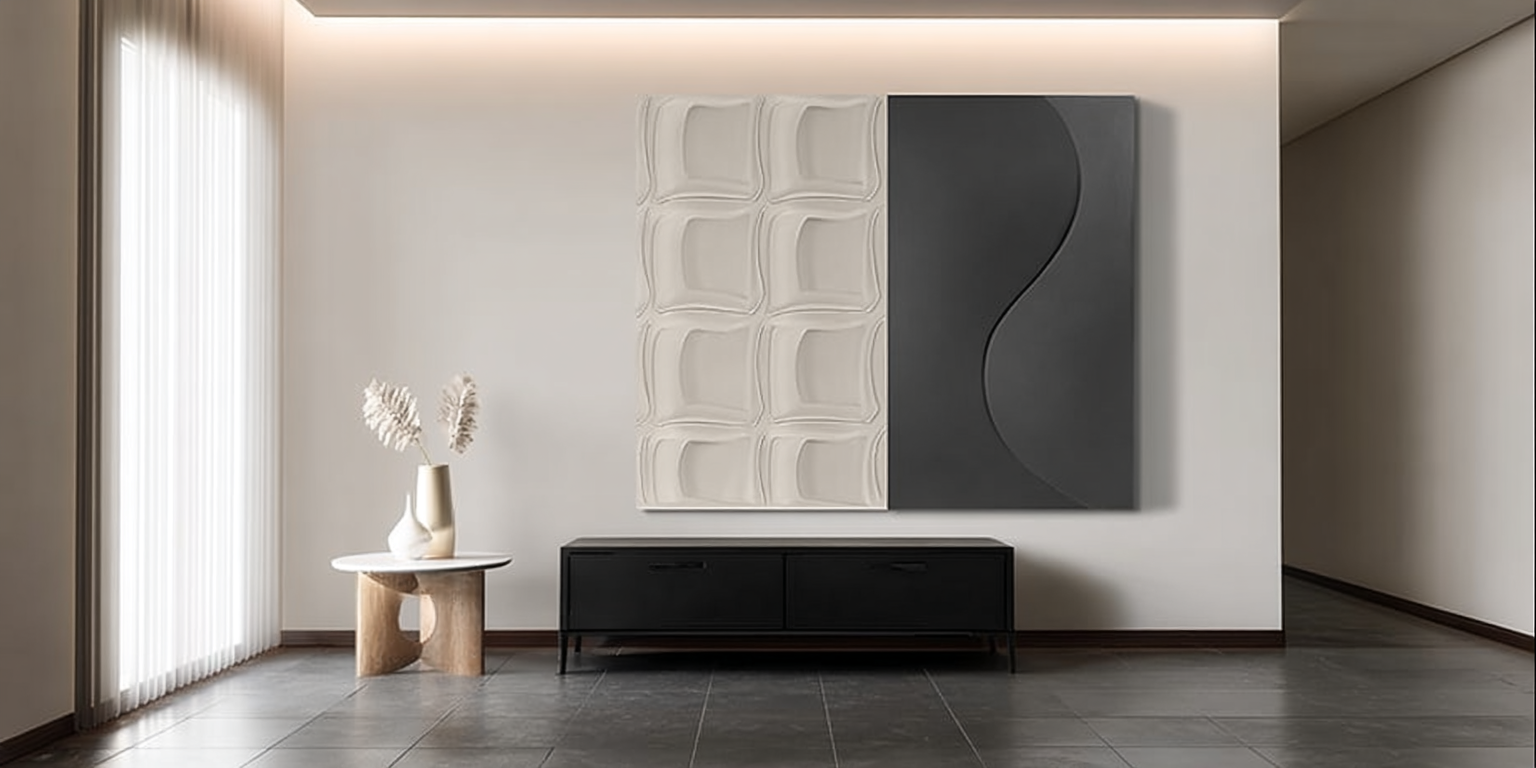
When people think about wall art, a plywood mural is not always the first idea—most imagine painted canvases, digital prints, or framed photographs. But lately, a quiet revolution has been happening in the world of home décor and interior design: plywood.
What was once considered purely a construction material is now stepping into the limelight as a medium for creativity. Artists, architects, and even DIY enthusiasts are discovering how plywood can serve as the foundation for murals and large-scale wall décor. Affordable, versatile, and surprisingly stylish, plywood offers opportunities that traditional canvas and drywall simply can’t match.
Let’s explore why plywood is becoming a favorite in modern interiors, and how you can use it to create stunning murals and art for your walls.
A Brief History of Plywood Mural: From Utility to Art
Plywood dates back to ancient Egypt, where thin layers of wood were glued together for furniture. But in the modern age, it was mostly associated with construction—flooring, paneling, and cabinetry.
Artists, however, have always pushed boundaries. In the mid-20th century, some muralists experimented with plywood as a portable surface for large artworks. These panels could be moved to galleries, displayed in outdoor festivals, or even mounted as temporary public art.
Today, as sustainability and affordability play larger roles in design, plywood is enjoying a renaissance. It’s no longer “just plywood”—it’s a creative canvas.
Why Plywood Works So Well for Wall Art
So why are more and more people choosing plywood? Here are some of the biggest reasons:
- Affordability: High-quality canvas or hardwood can be expensive. Plywood is far cheaper but still durable.
- Durability: Plywood resists warping, making it ideal for large murals that need to last.
- Scalability: You can create murals spanning entire walls without worrying about the fragility of traditional canvases.
- Portability: A mural painted on plywood panels can be transported, reinstalled, or even sold in pieces.
- Texture & Warmth: Unlike drywall, plywood’s natural wood grain adds organic texture that enriches the artwork.
- Imagine a coworking office space: instead of a plain white wall, designers can install a plywood mural showcasing abstract art. The mural not only makes the environment inspiring but can also be updated or moved without damage.
Different Styles You Can Achieve
The beauty of plywood lies in its adaptability. Depending on your creative vision, plywood can fit into almost any design style:
- Minimalist and Clean: Sleek plywood panels painted in neutral tones or geometric designs echo the elegance of minimalist wall art. Perfect for modern apartments and offices.
- Rustic and Natural: Leave the wood grain exposed, or use pyrography (wood burning) to etch designs. Pair it with indoor plants, and your room feels instantly earthy and warm.
- Vintage-Inspired: Distressed plywood with antique finishes can recreate the nostalgic vibe of vintage wall art. Think rustic café interiors or farmhouse kitchens.
- Bold Contemporary: Oversized stencils, graffiti styles, or abstract splashes of paint on plywood can create dramatic, contemporary murals.
- Cultural or Traditional: In some cultures, plywood panels are painted with folk patterns or religious motifs, turning them into meaningful home décor.

Real-Life Inspirations
To see plywood in action, let’s look at some real examples:
- Community Festivals: Cities like London and Melbourne have used plywood boards as canvases during street art festivals. Artists create murals that are later displayed in galleries, proving plywood’s flexibility in public art.
- Cafés and Restaurants: In Tokyo, a coffee shop used plywood wall panels carved with cherry blossom designs. The result? A cozy, Instagram-worthy space that draws customers not just for coffee but also for aesthetics.
- DIY Homes: A family in Los Angeles created a plywood mural in their living room accent wall ideas featuring abstract mountain shapes. Each panel was painted in earthy tones, creating a striking focal point that felt both modern and organic.
- Corporate Offices: Tech startups are increasingly turning to plywood murals etched with motivational quotes or digital-inspired designs, blending branding with décor.
Techniques for Plywood Wall Art
Plywood isn’t just for painting—it invites creativity across multiple techniques:、
- Painting: Acrylics and spray paints work wonderfully on plywood, especially when primed with gesso, making it a versatile surface for experimenting with creative acrylic painting ideas.
- Wood Burning (Pyrography): Create intricate etched designs, from floral patterns to detailed landscapes.
- Laser Cutting: With technology, plywood can be precision-cut into layered 3D designs.
- Mixed Media: Combine plywood with resin, fabric, or even LED lights for interactive murals.
- Collage & Decoupage: Use printed paper or textiles on plywood for a textured, mixed-media wall art effect.
Imagine a plywood mural that incorporates carved patterns, painted details, and resin accents—suddenly, a simple material transforms into an art installation.
Interior Design Applications
Plywood murals aren’t just for galleries—they’re transforming everyday spaces:
- Living Rooms: Large plywood murals can replace traditional wallpaper as a bold design statement.
- Bedrooms: Plywood headboards painted with abstract or floral designs double as functional and decorative wall art.
- Kitchens: Small plywood art panels bring warmth to otherwise sterile spaces and can easily complement creative kitchen wall decor ideas.
- Offices: Companies use plywood murals to create an inspiring work environment.
- Commercial Spaces: Retail stores often incorporate plywood art to highlight brand personality.
For example, a boutique clothing store could use plywood cutouts painted in vintage patterns, tying the décor directly to its product style.
How to DIY Your Own Plywood Wall Art
Creating your own plywood mural may sound intimidating, but it’s surprisingly accessible. Here’s a step-by-step guide:
1. Choose the Right Plywood: Opt for cabinet-grade plywood for smoothness and durability.
2. Prepare the Surface: Sand the wood, then apply primer or gesso for a paint-ready surface.
3. Design Your Mural: Sketch your idea, or use stencils for geometric designs.
4. Apply the Technique: Paint, burn, carve, or collage your design.
5. Finish It: Seal with varnish or polyurethane to protect the artwork.
6. Install Carefully: Mount panels with hidden brackets for a clean look.
Pro tip: Break large murals into modular panels—this makes them easier to move and gives you flexibility to rearrange them in different spaces.
Combining Plywood with Lighting
Lighting can dramatically change how a plywood mural feels. For instance:
- Spotlighting: Highlights textured carvings or wood-burned details.
- Backlighting: Works beautifully with laser-cut plywood designs, creating dramatic shadows.
- Warm Lights: Enhance the natural tones of plywood, making the mural feel cozy.
A restaurant in Barcelona used backlit plywood panels carved with Mediterranean patterns, creating a glowing mural that transformed the entire dining experience.
Sustainability and Eco-Friendly Design
One of the most compelling reasons to use plywood is its eco-conscious potential. Many types of plywood are sourced from fast-growing, renewable trees like birch or pine. Compared to large hardwood canvases, plywood has a lower environmental footprint.
In a world where sustainable design matters, plywood murals allow artists and homeowners to make responsible choices without compromising creativity.
Why Plywood is the Future of Creative Wall Design
Plywood isn’t just a budget-friendly alternative—it’s an artistic medium in its own right. It bridges the gap between practicality and creativity, offering endless possibilities for expression.
From bold contemporary murals to rustic wooden textures and even delicate minimalist designs, plywood adapts to every vision. If you love natural materials, want customizable designs, and care about sustainability, plywood murals are the perfect choice.
So yes, we can—and should—use plywood for murals and wall art. The only limit is imagination.


