

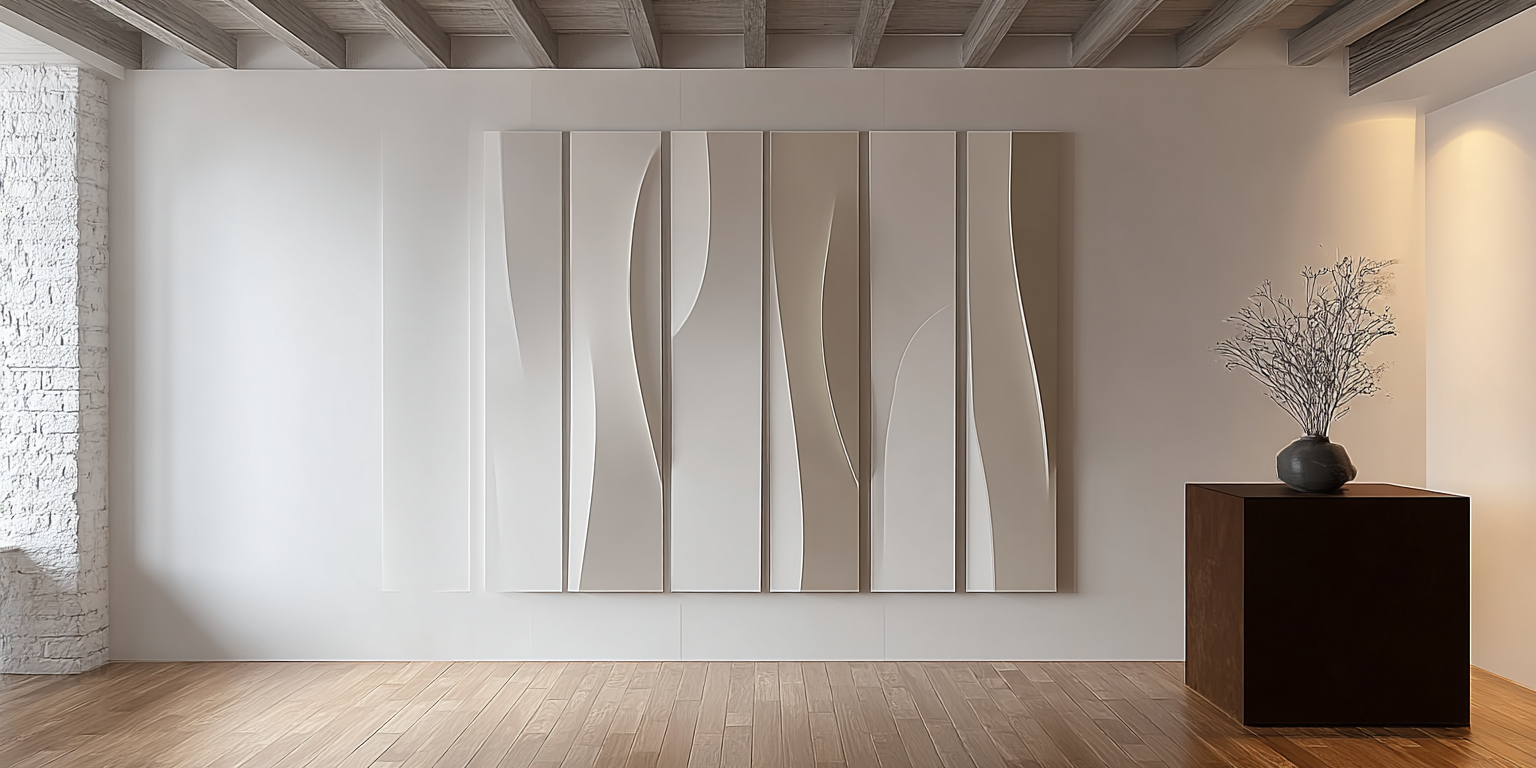
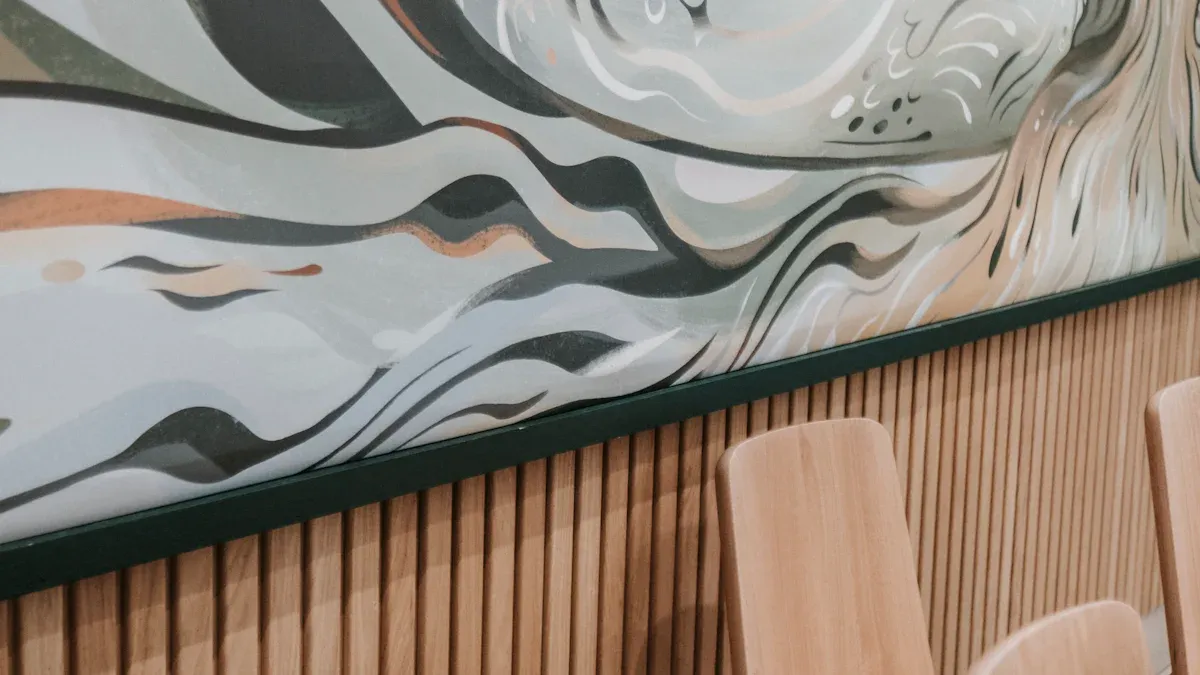
Large wall art and wood sculptures stand out in any room. You notice their size and presence right away. These pieces often become the main attraction, changing the feel of your space. You can pick from many styles—nature-inspired, geometric, or vintage. Handcrafted and custom pieces offer a special touch. Take a look at how prices can differ:
| Type of Art | Price Range | Breakdown of Costs |
|---|---|---|
| Mass-Produced | $150-400 | Materials: $20-40, Labor: $30-75, Overhead: $100-285 |
| Handcrafted | $1,800-5,500 | Materials: $130-250, Labor: $2,910-3,880, Overhead: Included in labor rate |
You get to show your style with these unique choices.
Key Takeaways
- Choose large wall art that fits your space. Consider the size of your wall and the furniture around it to create a balanced look.
- Select art that reflects your personal style. Nature-inspired, geometric, or vintage pieces can enhance the mood of your room.
- Invest in handcrafted art for quality and emotional value. Custom pieces tell a story and can become cherished family treasures.
- Hang art at eye level for the best viewing experience. Adjust the height based on the room and furniture to create a cozy atmosphere.
- Care for your art by cleaning it gently and protecting it from environmental factors. Regular maintenance helps your pieces last longer.
Choosing large wall art
Size and scale
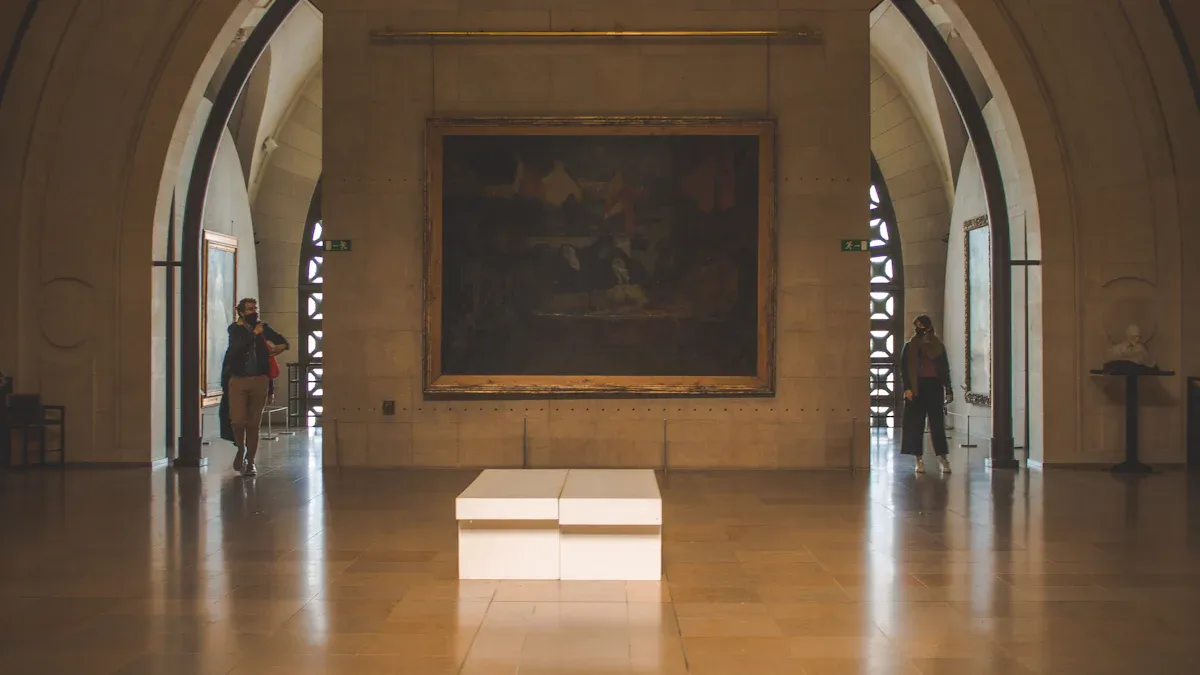
Picking the right size for large wall art can change how your room feels. You want your art to fit the space, not overwhelm it. If you have a big wall, you can go bold. If your room is smaller, you might choose something a bit more modest. Here’s a quick guide to help you decide:
| Type of Wall Art | Width (inches) | Height (inches) |
|---|---|---|
| Large Wall Art | 20–22 | 28–36 |
| Oversized Wall Art | 24 and up | 36 and up |
You can also match your art to your furniture. For example:
| Furniture Element | Ideal Artwork Width | Notes |
|---|---|---|
| Sofa (84" wide) | 50"–63" wide | Hang 6–12 inches above the back of the sofa |
| Fireplace Mantel | 2/3 mantel width | Centered horizontally |
| Entryway Console Table | 2/3 console width | Pair with sconces or sculpture for dimension |
- Large-scale pieces create calm, open energy. One bold artwork often feels more expansive than many small ones.
- Light colors and glossy finishes bounce light, making rooms feel airy.
- Hanging art higher or choosing vertical pieces draws the eye up, making ceilings seem taller.
If you want your space to feel bigger, go for one large wall art piece instead of lots of small ones. You’ll notice the room feels more open and peaceful.
Style and inspiration
Your style matters when you pick large wall art. Do you love nature? You might choose art with trees, mountains, or animals. Geometric designs work well if you like modern looks. Vintage pieces add character and warmth. Handcrafted art brings a personal touch and can tell a story.
Tip: Think about what inspires you. Nature-inspired art can make you feel relaxed. Geometric shapes can add energy. Vintage styles can remind you of special memories.
When you choose art that matches your taste, your room feels more like you. You can mix styles, too. Try pairing a nature-inspired painting with a geometric wood sculpture for a unique look.
Material and craftsmanship
Materials make a big difference in large wall art and wood sculptures. High-quality pieces often use solid woods. Here are some common types:
| Type of Wood |
|---|
| Reclaimed Wood |
| Pine |
| Cedar |
| Poplar |
| Walnut |
| Oak |
Craftsmanship matters just as much as the material. Skilled artists pick wood for its grain, hardness, and color. They want the natural beauty to shine. When you buy handcrafted art, you get something built to last. These pieces hold emotional value and can become family treasures.
- Craftsmen choose materials based on the project, looking for the best grain and color.
- Handcrafted wood art is strong and durable.
- Custom pieces often tell a story and carry special meaning.
If you want art that lasts and feels special, look for handcrafted options. You’ll enjoy the beauty and the story behind each piece.
Displaying wall art and wood sculptures
Placement tips
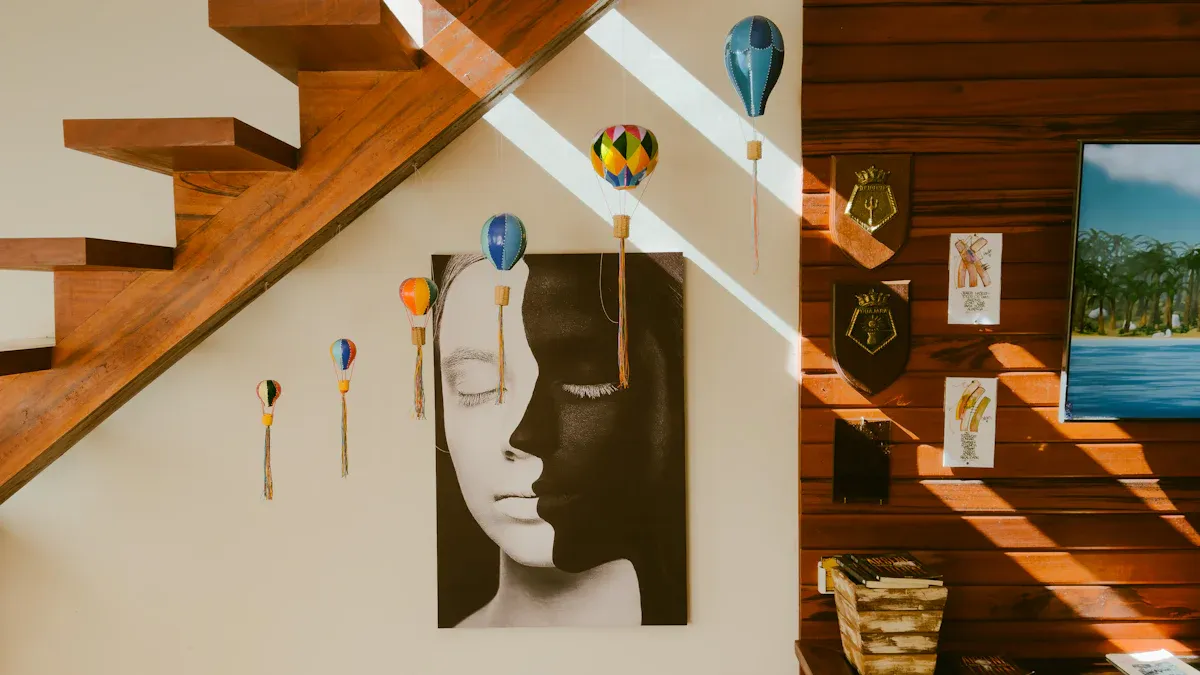
You want your art to look its best, so where you put it matters. Start by thinking about the room. In the living room, hang art at 57-60 inches from the floor if there’s no furniture below. If you have a sofa or chairs, lower it to 50-54 inches so people can enjoy it while sitting. In the dining room, place art at 55-57 inches for the same reason. For bedrooms, try hanging art 8-12 inches above the headboard. This keeps the art connected to the bed and makes the space feel cozy.
Tip: Always check the size of your wall before picking a spot. Big walls need bold pieces. Smaller walls look better with smaller works.
Here’s a quick guide for hanging art based on ceiling height:
| Ceiling Height | Recommended Height (inches) |
|---|---|
| 8 feet | 57-60 |
| 9 feet | 60-62 |
| 10 feet | 62-65 |
| 12+ feet | 65-68 |
Think about how your art fits with your furniture and colors. Art should work with your sofa, bed, or table, not fight for attention. Try to match the mood of the room. If you want a calm space, pick art with soft colors or open scenes. If you want energy, go for bold shapes or bright colors.
- Place large wall art on the biggest wall to make a statement.
- Hang art at eye level for the best view.
- Group smaller pieces together for balance.
- Let your art reflect your personality and the feeling you want in your home.
Creating a focal point
Every room needs a star. Large wall art or a wood sculpture can be that star. Pick one main spot in the room, like the wall behind your sofa or bed. This helps keep the room from feeling too busy.
You can use size and placement to make your art stand out. A big sculpture or painting grabs attention right away. Smaller sculptures can add interest when you group them or place them on a shelf. Choose materials that match your style. Wood feels warm and rustic. Metal looks modern and cool.
Try different designs to see what you like best. Abstract shapes, geometric patterns, or even animal figures can all work. For wood sculptures, look for carvings with texture or patterns. These details catch the light and add depth.
Note: Art changes how you move through a room. When your eyes land on a big, open painting, the space feels larger and more open.
Here are some steps to help you create a strong focal point:
- Pick a wall or spot that stands out, like behind the sofa or bed.
- Choose art that fits the size of the wall.
- Make sure the art matches the mood of the room.
- Let the art be the main focus—don’t crowd it with too many other things.
Installation and safety
Hanging large wall art or heavy wood sculptures takes care and planning. You want your art to stay safe and look great. Always use the right tools and hardware for the job. For heavy pieces, use wall anchors or studs to keep them secure.
Safety comes first. Wear gloves and sturdy shoes when moving big pieces. If you’re drilling or sanding, use safety glasses and a mask. Make sure your workspace has good lighting so you can see what you’re doing. Keep your tools and area tidy to avoid trips and falls.
Tip: Keep a first aid kit and fire extinguisher nearby when working with tools or heavy art.
Here’s a quick safety checklist:
- Wear gloves, safety glasses, and sturdy shoes.
- Work in a well-lit, clean area.
- Use wall anchors or find studs for heavy art.
- Keep emergency supplies close.
When you follow these tips, you can enjoy your art without worry. Your space will feel more personal and safe.
Caring for your art pieces
Cleaning and preservation
You want your art to look fresh and last for years. Cleaning large wall art takes a gentle touch. Always dampen your cleaning rag first. Never spray cleaner straight onto the surface. Use a soft bristled brush for dusting. If you see cracks or bumps in the canvas, skip cleaning that spot. You can keep your art looking bright by following these steps:
- Dampen your rag before wiping.
- Use a soft brush for dust.
- Avoid cleaning damaged areas.
- Never spray cleaner directly on the art.
Preserving your art means checking it often. Look for signs of wear or fading. If you notice anything unusual, take action right away. Regular care helps your art stay beautiful.
Protecting wood sculptures
Wood sculptures need special care. Clean them about twice a year to remove dust and pollution. Dusting and cleaning keep the wood healthy. You can also “feed” the wood with oils or wax to protect it from drying out. Here are some tips for keeping your sculptures safe:
- Make sure air can move around the sculpture to stop mold.
- Keep sculptures out of direct sunlight.
- Seal any woodworm holes.
- Handle with clean hands or gloves.
- Place sculptures away from places where spills happen.
If you find pests, you can wrap the piece in plastic and call a specialist. Some people use freezing or special gases to treat infestations. Reapply finishes every year if your sculpture sits outside. For indoor pieces, apply finishes every two or three years. Wax, oil, or varnish sealers work best. With good care, your wood sculpture can last for decades.
Environmental factors
Art pieces react to changes in temperature and humidity. High humidity can cause mold and stains. Low humidity makes wood and canvas crack. Sudden changes can warp or damage your art. You can protect your pieces by controlling the climate in your home. Here’s a quick table with steps for homes in extreme climates:
| Step | Recommendation |
|---|---|
| 1 | Control temperature and humidity. |
| 2 | Prevent and treat mold quickly. |
| 3 | Isolate affected pieces to stop mold spread. |
| 4 | Air dry or freeze damp art. |
| 5 | Ask professionals for help with mold or damage. |
Lowering humidity and temperature helps your art last longer. If you care for your pieces, they can stay beautiful for many years—even in tough climates.
Personalizing your space
Expressing your style
You get to show your personality through the art you choose. Large wall art can reflect your favorite colors, places, or memories. When you pick custom pieces, you add a special touch that feels unique to you. Custom art lets you match your decor and theme, so your room feels just right. You support local artists and bring their stories into your home. Mass-produced art works for quick updates, but custom pieces offer more meaning and quality.
Tip: Choose art that makes you smile every time you walk into the room.
Mixing wall art and sculptures
Mixing different types of art can make your space feel lively and interesting. You can combine paintings with wood sculptures to create layers and depth. Pay attention to color harmony so everything looks balanced. Try placing angular sculptures against neutral walls for a bold look. Group smaller geometric pieces together for unity. Balance sharp lines with soft furniture to keep things cozy.
- Multi-layered sculptures add depth that flat art cannot.
- Each layer tells its own story.
- The mix of textures and materials makes your room feel rich and inviting.
| Tip | Description |
|---|---|
| Place angular pieces against neutral walls | This creates a significant visual impact. |
| Group smaller geometric sculptures | This helps achieve a unified look. |
| Balance sharp lines with soft furniture | This creates harmony in the design. |
| Use lighting to highlight shadows | This adds depth and dimension to the artwork. |
Note: Aim for a collected feel, not just a decorated one. Your space should show your journey and interests.
Budget to high-end options
You can find art for every budget. Mass-produced pieces cost less and help you change your style quickly. Custom and handcrafted art costs more, but you get higher quality and a personal story. Here’s a quick guide to help you decide:
- Uniqueness: Custom art is one-of-a-kind.
- Personalization: You can match your style and theme.
- Quality: Handcrafted pieces last longer and look better.
- Emotional appeal: Personalized art makes your space feel special.
- Support for artists: Buying custom art helps local creators.
If you want to invest, choose handcrafted wood sculptures or custom large wall art. If you want to save, look for prints or mass-produced options. No matter your budget, you can create a space that feels like home.
Large wall art and wood sculptures can change the mood of your home. You might notice how art makes a space feel brighter or more welcoming. Some studies show that sculptures and high-quality art can even boost property value. You may face challenges like finding the right spot or matching colors, but you can overcome these by choosing pieces that speak to you.
Pick art that feels personal. Mix photos and sculptures to create a gallery wall that shows your story. Your space becomes unique when you fill it with art you love.
FAQ
How do I know if a piece is too big for my wall?
Measure your wall first. Leave at least 6 inches of space on each side of the art. If the piece covers most of the wall or touches furniture, it’s probably too big. You want your art to breathe!
Can I mix different styles of wall art and wood sculptures?
Yes! Mixing styles adds personality. Try pairing a modern painting with a rustic wood sculpture. Use similar colors or shapes to tie everything together. Your space will feel unique and interesting.
What’s the best way to clean wood sculptures?
Use a soft, dry cloth for dusting. Avoid water or harsh cleaners. If the sculpture looks dull, apply a little wood wax. Always handle your sculpture with clean hands to keep it looking fresh.
Do I need special tools to hang large wall art?
You might need wall anchors, a level, and a tape measure. Heavy pieces need sturdy hooks or screws. Always check the weight of your art before hanging. Safety first!
Will sunlight damage my art or sculptures?
Direct sunlight can fade colors and dry out wood. Place your art away from windows or use curtains to block harsh light. Your pieces will last longer and stay vibrant.


