

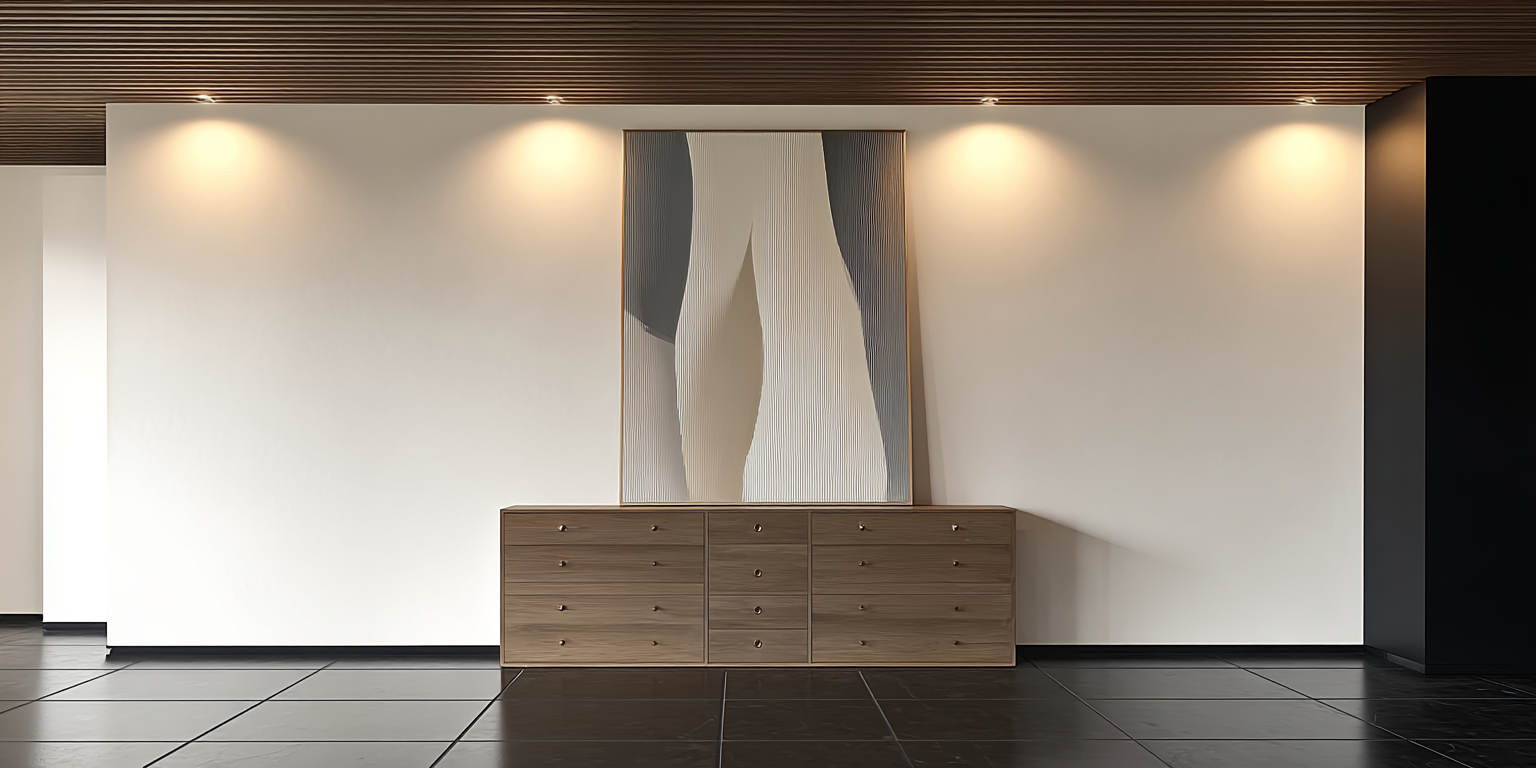
Many people like to paint with acrylic colours because they are quick-drying, vibrant and easy to use. They are pigments suspended in water-soluble acrylic polymer media that become water-resistant once they have dried up. You can paint on many things like canvases, papers, wood, clay pots or fabrics using acrylic paints.
In this post, we will introduce everything you need to know on how to use acrylic paintings.
Part 1: What Is Acrylic Paint?
The biggest feature of acrylic paint is that it dries very fast. It is made of color mixed in a plastic-like liquid called acrylic polymer. When wet, acrylic painting mixes with water and cleans easily with soap and water. When dry, it becomes water-resistant and flexible. This makes acrylic paintings very useful and flexible.
You can use acrylic paint thin like watercolor or thick like oil paint. You can also mix it with other liquids to change how thick it is, how fast it dries, and how it looks when dry.
If you're curious about how acrylics compare to other types of paint, read this comparison on tempera vs. acrylic paintings and acrylic vs. oil painting.
Part 2: Essential Supplies You Need
If you’re ready to explore acrylic painting, you’ll need a few things to get started. These essential acrylic art supplies won’t be hard to find:
Start with acrylic paints. A beginner set with red, blue, yellow, black, and white is enough. Use heavy body paints for thick color, or fluid acrylics for a softer look.
You need different brushes. Flat brushes cover large areas, while round brushes are good for small details. Filbert brushes are great for blending. Use synthetic brushes which work well with acrylics.
You also need a palette to mix colors. You can use a plastic tray, a ceramic plate, or even a paper plate.
Prepare two water containers. Use one to wash brushes and one with clean water. Also, keep paper towels or rags to dry brushes and clean up spills.
For the painting surface, canvas is a good choice. Most canvases are ready to use. For practice, you can use thick acrylic paper or mixed media paper.
Part 3: How To Use Acrylic Paint and Things To Keep In Mind
After all your supplies getting supplies, it’s time to paint by following this detailed guide.
How To Use Acrylic Paint On Canvas
Before you paint with acrylics on canvas, cover your workspace with newspaper or a drop cloth. Most canvases from the store are ready to use. But if you have a raw canvas, put one or two coats of gesso on it. This helps the paint stick better.
Squeeze a small amount of paint onto your palette. Start with less, since you can add more later. Mix colors with a brush or palette knife.
If you want a soft, see-through look, mix paint with some water. For strong, solid colors, use paint straight from the tube. Acrylics dry fast, so you can add layers easily. Start with light colors, then add darker details. To make texture, use thick paint with a knife or stiff brush.
Rinse your brushes often while painting. Clean them well after you finish. Don’t let paint dry on the brushes. It can ruin them.
How To Use Acrylic Paint On Paper
Below are the guide on how to use acrylic paint on paper in detail.
Choose the Right Paper
First of all, use heavy-weight paper (at least 140 lb/300 gsm) to prevent buckling. Paper specifically designed for watercolors or mixed media is ideal.
Taping
To prevent buckling and create clean edges, you need to tape your paper down to a rigid surface (like a drawing board) with painter's tape before you start painting.
How To Keep Your Acrylics Wet
The fast-drying nature of acrylics can be a challenge. Here are some tips to extend their working time:
- Spray Bottle:Spray a little water on your palette every few minutes.Do not spray too much. Too much water will make the paint too thin.
- Wet Palette:You can create or buy a "wet palette" that uses a dampened sheet of paper under a permeable membrane to keep paints moist for hours.
- Acrylic Retarders:These mediums slow down the drying time of acrylics. Add a few drops to your paint on the palette.
- Work Quickly:Develop a habit of mixing and applying paint efficiently.
Need inspiration? Check out these creative acrylic painting ideas.

Part 4: Tips for Beginners When Using Acrylic Paint
Below are some easy, helpful tips to make your first painting experience smoother and more fun:
- Start Simple
Don’t try to paint a perfect picture at first. Start with easy things like fruit, shapes, or simple landscapes. This helps you get used to the paint.
- Experiment with Consistency
Try adding different amounts of water or medium to your paint. Notice how it changes the paint’s feel and look.
- Practice Color Mixing
Spend time mixing colors. Make a color chart to see how colors change when mixed.
- Use Reference Photos
If you don’t know what to paint, use a clear photo for ideas.
- Work in Layers
Start with thin, light washes as a base. Then add more detail and thicker paint on top.
- Take Breaks
Stop painting sometimes. Rest your eyes and look at your work with fresh eyes.
- Don’t Be Afraid to Make Mistakes
Painting is for learning. Mistakes are okay. You can always paint over acrylics.
- Clean Up Immediately
Wash your brushes and palette right after painting. This keeps them clean and lasts longer.
Part 5: Common Mistakes to Avoid
Here are some of the most common issues people face when using acrylic painting, and how you can avoid them:
- Using Too Much Water
Acrylic paint can mix with water. But if you add too much water (over 30%), the paint gets weak. It may look chalky and not stick well to the surface.
- Not Cleaning Brushes Properly
If you let paint dry on your brush, it can ruin the bristles. Always wash your brushes well and shape them after each use.
- Overworking the Paint
Acrylic paint dries fast. If you brush over paint that is half dry, you may lift the paint and make it look messy. Try to paint with smooth and confident strokes.
- Using Too Much Paint at Once
Don’t squeeze out too much paint because of its quickly-dying nature. Start with a little and add more if needed.
- Forgetting to Mist Your Palette
If you don’t spray water on your palette, the paint can dry too fast. Use a spray bottle to keep it wet, unless you are using a wet palette.
- Not Priming Your Surface
If you paint on raw wood or thin paper without primer, the paint may soak unevenly and look dull. Use gesso or a primed surface.
Part 6: Not Into Painting? Decorate with Art Instead
If you find that you are not into painting, there are countless ways to incorporate art into your home and life.
- Invest in Prints
Many artists sell prints of their work. Prints cost less than original paintings. This is a good way to enjoy art at a lower price.
- Framed Photography
Photos can look as nice as paintings. You can frame your own travel photos or buy photo prints from artists.
- DIY Art Projects
You don’t need to paint to make art. Try collages, pressed flower art, or simple shapes with stencils and paint pens.
- Sculptures and Ceramics
3D art like sculptures or pottery adds texture and style to your room.
- Murals and Wall Decals
If you want something bold, try a large wall sticker or hire an artist to paint a mural on your wall.
You can also browse beautiful oil painting or watercolor painting collections online.
Conclusion
Acrylic paint has many advantages, like it is very easy to use, dries fast, has bright colors, and works well on many surfaces. You can use it for simple sketches or detailed paintings. Just follow the detailed guide we provided above, hope you can enjoy drawing.
Or, explore our collection of popular paintings for more artistic inspiration!


