

ArtNouveauVision Blog
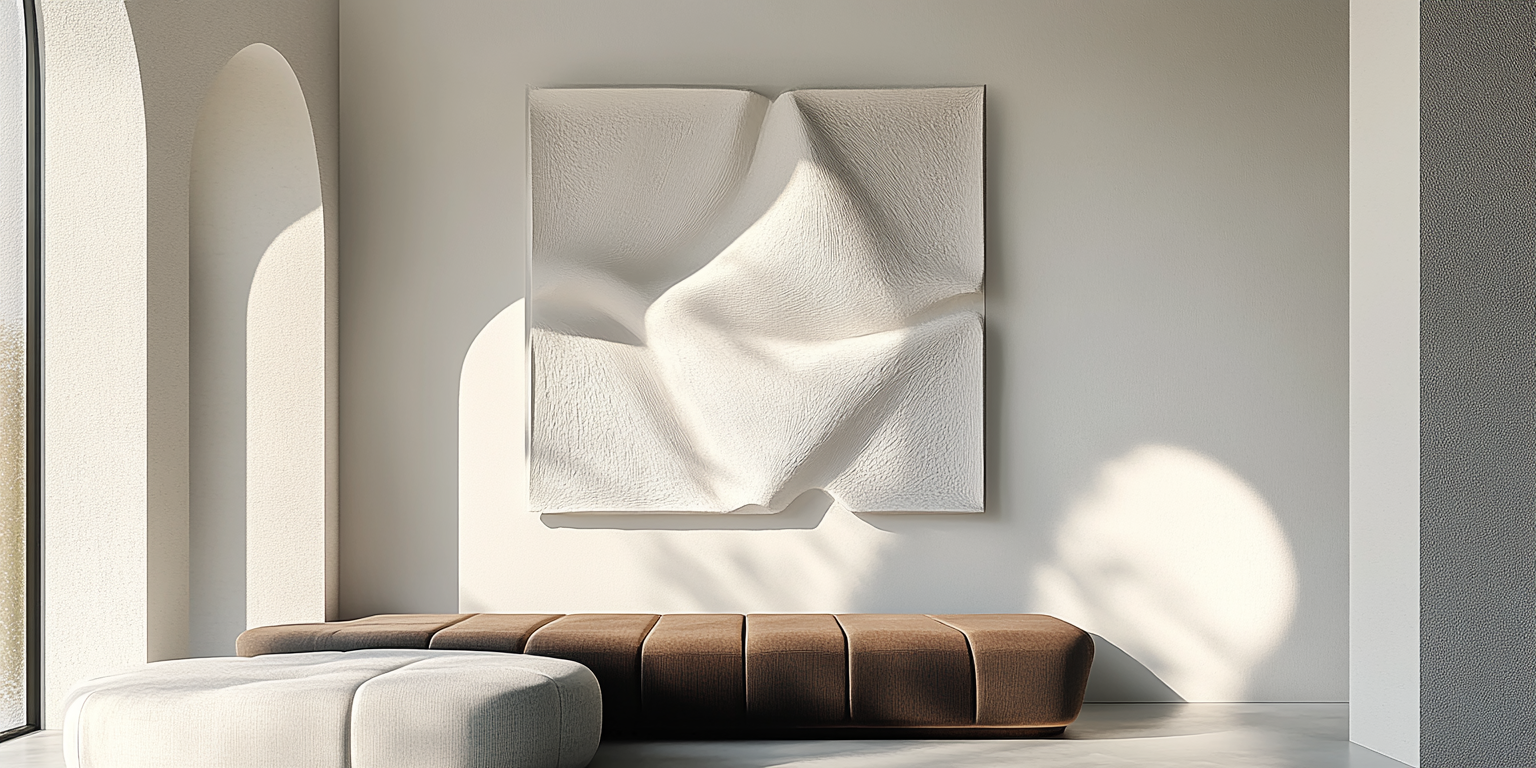

Abstract vs. Geometric: Which Contemporary Wall Art Style Suits Your Space?
When it comes to transforming your home or office, the choice of wall art plays a pivotal role in setting the tone and atmosphere. In today's design landscape, abstract and geometric styles have emerged as frontrunners, each offering a unique perspective that can enhance any interior setting. This comprehensive guide explores both art styles, provides practical examples, and helps you decide which one best suits your space. Understanding the Two Styles Abstract Art Abstract art is characterized by its fluidity and emphasis on emotion rather than precise representation. It often employs vibrant colors, dynamic brushstrokes, and freeform designs that allow viewers to draw their own interpretations. For example, a sprawling abstract canvas might capture the energetic vibe of a bustling city or the tranquility of a sunset through a burst of color and movement. Many art enthusiasts appreciate abstract pieces for their ability to evoke feelings and spark conversation in any room. Geometric Art In contrast, geometric art is defined by its structured approach—using clear lines, shapes, and patterns to create a cohesive composition. This style exudes a sense of order and precision, resulting in a minimalist yet striking visual appeal. Consider a modern living room with sleek furniture and neutral tones; a piece of geometric wall art with bold shapes and crisp angles can serve as a focal point that ties the decor together. Its clean aesthetics are especially popular in spaces where a contemporary, uncluttered look is desired. Choosing the Right Style for Your Space Room Ambiance and Decor Modern Interiors: If your space features sleek furniture, neutral colors, and minimalist design, geometric art may enhance the clean lines and modern vibe of your room. Its structured appearance complements the simplicity of modern decor perfectly. Eclectic or Bohemian Settings: Abstract art often thrives in eclectic environments. The vibrant colors and spontaneous designs can add a touch of unpredictability that complements a more relaxed, artistic atmosphere. Size and Scale The size of your artwork is also crucial. For expansive walls or open areas, opting for a bold piece of contemporary wall art can make a dramatic statement. If you're searching for that standout piece, explore our selection of large contemporary wall art to find canvases that fill your space with character and energy. Personal Expression and Mood Ultimately, your choice should reflect your personality and the ambiance you wish to cultivate. Abstract pieces can evoke mystery and emotion, making them ideal for personal spaces where introspection is valued. On the other hand, the precision of geometric art inspires balance and harmony—perfect for offices or creative workspaces where clarity and focus are paramount. Real-Life Examples and Practical Tips Imagine a spacious living room bathed in natural light. An expansive abstract piece might serve as a vibrant centerpiece, drawing the eye and sparking conversation. In contrast, a high-traffic corporate office with a modern design might benefit from the clean, refined lines of geometric art to instill a sense of professionalism and order. When selecting your artwork, consider the following tips: Complement Existing Decor: Analyze your room’s color scheme and furniture style. A piece that complements these elements will naturally integrate into your space. Experiment with Placement: Try different layouts. Sometimes the impact of wall art is best appreciated from various angles and distances. Mix and Match: While it might seem unconventional, blending both abstract and geometric elements can create a layered and dynamic look. For instance, pairing a bold abstract painting with smaller geometric prints can balance spontaneity with structure. Expanding Your Artistic Horizons For those interested in exploring further into the art world and various mediums, our blog offers additional insights. Learn more about the differences in techniques by reading acrylic vs oil paint. Additionally, if you’re curious about how different supports impact the final look of your wall art, check out acrylic vs canvas wall art. Conclusion Both abstract and geometric wall art carry their unique charm and can dramatically influence the character of a room. The choice between them hinges on your personal style, the ambiance of your space, and the statement you wish to make. Whether you’re drawn to the emotional energy of abstract art or the refined order of geometric designs, selecting the right piece is a powerful way to express your individuality. Explore more inspiring options on our homepage, where you'll discover an extensive range of large contemporary wall art. Happy decorating!
もっと詳しく知る
Acrylic vs Canvas Wall Art: Which One is Right for Your Space?
When decorating your home, modern wall art plays a crucial role in setting the tone of your space. With countless options available, choosing between acrylic and canvas wall art can be overwhelming. Both have their own unique qualities, and understanding their differences can help you make an informed decision. What is Acrylic Wall Art? Acrylic wall art is created using a sleek, glass-like panel that enhances colors and creates a contemporary, glossy finish. It is made by printing an image directly onto an acrylic sheet or mounting a printed image between an acrylic panel and a backing material. Advantages of Acrylic Wall Art 1. Vibrant Colors and Sharpness Acrylic prints offer high-definition clarity, making them ideal for modern and abstract art pieces. The glossy surface enhances color saturation and depth, perfect for bold statement pieces. 2. Durability and Longevity Resistant to moisture and UV damage, making them suitable for bathrooms and outdoor areas. Less prone to scratches compared to glass. 3. Contemporary Aesthetic Best suited for minimalist, high-tech, or modern interiors. Works well in offices, studios, and contemporary homes. What is Canvas Wall Art? Canvas wall art is created by printing or painting on a textured fabric surface stretched over a wooden frame. This style is often associated with traditional, classic, and timeless artworks. Advantages of Canvas Wall Art 1. Textured, Traditional Look The fabric texture adds depth and an organic feel to the artwork. Ideal for classic paintings, landscapes, and portrait art. 2. Lightweight and Easy to Hang Canvas prints are much lighter than acrylic, making them easier to hang without specialized hardware. Can be displayed without frames for a floating look or framed for a more refined appearance. 3. Versatile Aesthetic Appeal Fits well in a variety of spaces, from cozy homes to upscale galleries. Complements rustic, bohemian, and eclectic decor styles. Choosing Between Acrylic and Canvas Wall Art Your choice between acrylic and canvas wall art depends on various factors such as style, durability, and where you plan to display it. 1. For a Modern and High-End Look If your home has a sleek, contemporary design, acrylic art will be the best choice. The glossy finish and high-definition colors make it a striking addition to modern spaces. 2. For a Timeless, Classic Appeal If you prefer a softer, more traditional aesthetic, canvas wall art is the way to go. Its textured surface gives paintings a handcrafted appearance, making it a great option for classic home decor. 3. For Budget-Friendly Options Canvas prints tend to be more affordable than acrylic prints, making them a popular choice for homeowners who want high-quality art without breaking the bank. 4. For Durability and Longevity Acrylic art is moisture-resistant and less likely to fade over time, making it ideal for spaces exposed to sunlight or humidity. For more details on different painting techniques, like oil paints. check out our guide on acrylic vs oil paint. How to Incorporate Acrylic and Canvas Art in Your Home 1. Living Room Acrylic art: Large-scale modern designs with bold colors create a focal point. Canvas art: Landscapes or abstract paintings for a cozy and warm atmosphere. 2. Bedroom Acrylic art: Minimalist line art or black-and-white photography for a sleek touch. Canvas art: Soft pastels and nature-inspired pieces for a calming effect. 3. Office Acrylic art: Motivational quotes and abstract modern art to inspire creativity. Canvas art: Classical or neutral-themed artwork to maintain a professional look. For a deeper understanding of different wall decor styles, read the difference between canvas art and wall decoration. Final Thoughts Both acrylic and canvas wall art have their own unique advantages, making them suitable for different settings and personal preferences. Whether you prefer the modern allure of acrylic or the timeless charm of canvas, choosing the right wall art will enhance your living space and reflect your style.
もっと詳しく知る
Durable Modern Wall Art Materials Introduction
When selecting the right art for your home, modern art wall decor can elevate your space with sophistication and style. Choosing the right material ensures longevity and enhances the aesthetic appeal of your artwork. This guide explores some of the most durable materials used in modern wall art, with real-world examples to help you decide. 1. Wood Wall Art: Timeless and Sturdy Wood has been used in art for centuries and remains a popular choice for its warmth and durability. A handcrafted wooden wall sculpture in an entryway can create a welcoming ambiance, while a reclaimed wood panel with abstract painting adds character to a modern living room. Advantages: Offers a natural, rustic charm that blends well with various decor styles. Sturdy and long-lasting, making it a great investment. Can be carved, painted, or layered for unique designs. Explore our collection of wood wall art for elegant and timeless options. 2. Metal Wall Art: A Contemporary Statement Metal wall art is known for its industrial and sleek aesthetic, adding a modern edge to any space. A large geometric metal sculpture above a sofa can create a bold focal point, while a brushed aluminum cityscape adds a sophisticated touch to an office or loft. Advantages: Highly durable and resistant to wear and tear. Offers a reflective, high-shine finish for contemporary settings. Works well in both indoor and outdoor environments. Discover unique designs in our metal wall art collection. 3. Crystal Wall Art: A Luxurious Touch Crystal wall art incorporates shimmering elements that create a luxurious and sophisticated feel. For example, a crystal-encrusted abstract piece can enhance a bedroom’s elegance, while a framed Swarovski crystal butterfly adds sophistication to a hallway. Advantages: Adds an eye-catching sparkle and light reflection to your decor. Ideal for upscale and glamorous interiors. Combines well with other materials like metal or glass. Browse our crystal wall art for elegant and radiant pieces. 4. Oil Paintings: Classic and Durable Oil paintings are a staple in traditional and contemporary art, known for their rich textures and deep colors. A Renaissance-style portrait can serve as a centerpiece in a classic study, while a bold, abstract oil painting brings energy to a modern dining room. Advantages: Highly durable and can last for generations with proper care. Offers a timeless appeal that fits various decor themes. Can be created on different surfaces such as canvas or wood. View our exquisite oil painting selection. 5. Pastel Paintings: Soft and Elegant Pastel paintings offer a delicate yet vibrant touch, perfect for modern and classical settings. A pastel floral painting can add a refreshing touch to a sunroom, while a dreamy seascape creates a serene and calming effect in a bedroom. Advantages: Provides soft, natural color tones ideal for a calming ambiance. Can be easily blended for intricate designs and textures. Works well in a variety of settings, from bedrooms to living rooms. Find the perfect piece in our pastel painting collection. 6. Watercolor Paintings: Light and Airy Aesthetic Watercolor paintings bring a sense of fluidity and lightness to modern interiors. A watercolor cityscape in a hallway can provide an artistic, nostalgic feel, while a nature-inspired watercolor complements a serene reading nook with soft, flowing colors. Advantages: Creates a soft and ethereal visual effect. Works beautifully in minimalist and nature-inspired designs. Can be framed or printed on high-quality paper or canvas. Check out our stunning watercolor painting collection. 7. Art Prints: Versatile and Budget-Friendly Art prints are a popular and accessible choice for those looking to decorate on a budget while maintaining high quality. A black-and-white photography print can add sophistication to an office, while a vibrant pop art print enlivens a teenager’s bedroom. Advantages: Available in a variety of styles, from abstract to photographic. Can be easily framed to suit different decor themes. Lightweight and easy to hang or replace. Explore our diverse art prints selection. Caring for Your Modern Wall Art Each material requires specific care techniques to maintain its beauty and longevity. Learn how to clean and protect different types of wall art by reading our guide on clean wall art works made of different materials. Conclusion Choosing the right material for your modern wall art is essential for both aesthetics and durability. Whether you prefer the classic elegance of oil paintings, the contemporary edge of metal, or the luxurious shimmer of crystal wall art, selecting the perfect piece will enhance your space and reflect your unique style.
もっと詳しく知る
Where to Buy Large Contemporary Wall Art
Decorating your home or office with contemporary canvas wall art can transform any space into a stunning showcase of modern aesthetics. Whether you want to make a bold statement with oversized artwork or create a minimalist ambiance with abstract pieces, finding the right place to purchase large contemporary wall art is key. In this guide, we’ll explore where you can find high-quality contemporary art, what to consider when buying, and why Art Nouveau Vision is a top choice for art enthusiasts. Why Choose Large Contemporary Wall Art? Large contemporary wall art serves as a focal point in any room, offering a unique blend of modern design and expressive creativity. Some benefits of investing in oversized canvas art include: Enhancing Room Aesthetics – A large piece of contemporary art can create a striking visual effect, filling empty walls with color, texture, and depth. Personal Expression – Choosing a piece that resonates with you allows you to showcase your style and personality. Creating a Cohesive Theme – Whether you prefer geometric patterns, abstract compositions, or nature-inspired themes, a single large artwork can tie the elements of a room together seamlessly. Best Places to Buy Large Contemporary Wall Art 1. Online Art Galleries Online stores have revolutionized the way people buy art. They offer a wide variety of styles, sizes, and price points, making it easy to find the perfect piece for your space. Some of the best online galleries include: Art Nouveau Vision – A premier destination for curated contemporary artworks, offering a diverse collection of high-quality prints and paintings. Browse the full collection here: Contemporary Wall Art Collection. Saatchi Art – Known for its extensive selection of contemporary artworks from independent artists worldwide. Etsy – A great platform for discovering unique handmade pieces from emerging artists. 2. Local Art Galleries and Exhibitions If you prefer to see art in person before making a purchase, visiting a local art gallery or exhibition can be a great option. Many contemporary galleries host regular exhibitions showcasing works from both established and up-and-coming artists. Check out art fairs in your city to find one-of-a-kind large-scale pieces. Visit contemporary art museums, as they often have gift shops or online stores with curated artwork for sale. 3. Custom and Commissioned Art For a truly unique piece, consider commissioning an artist to create a custom work tailored to your space and preferences. Many artists accept commission requests, allowing you to personalize elements such as color, size, and composition. Websites like Artfinder and Singulart connect buyers with artists for commissioned projects. Local artists may offer commission services through their personal websites or social media platforms. 4. DIY Contemporary Wall Art If you have a creative flair, making your own artwork can be a rewarding and cost-effective way to decorate your space. For inspiration, check out this step-by-step guide: How to Make Contemporary Wall Art. What to Consider When Buying Large Wall Art When selecting large contemporary art pieces, keep these key factors in mind: Size and Proportion – Ensure the artwork complements the scale of your room and furniture. Color Scheme – Choose colors that blend well with your existing decor or serve as a striking contrast. Material and Quality – High-quality canvas prints and original paintings offer durability and visual appeal. Framing Options – Decide whether you want a framed or unframed canvas based on your aesthetic preferences. Contemporary Wall Art Styles: 2025 Trends If you're looking for the latest design inspirations, explore the upcoming trends in contemporary wall art. From bold abstract patterns to subtle minimalist aesthetics, discover what’s shaping the art world in the coming year. Read more here: contemporary wall art styles: 2025 trends. The Largest Contemporary Artworks in the World For those who love large-scale art, exploring record-breaking contemporary artworks can be fascinating. Some of the most massive and awe-inspiring pieces push the boundaries of scale and creativity. Learn more about these monumental works in this article: the largest contemporary artwork. Conclusion Investing in large contemporary wall art can elevate your living or workspace, making it more visually dynamic and expressive. Whether you shop online, visit local galleries, commission a piece, or even create your own, there are plenty of ways to find the perfect artwork for your needs. Explore Art Nouveau Vision’s collection for stunning contemporary designs that will bring your walls to life. Ready to find your next statement piece? Browse the collection today and transform your space with contemporary elegance!
もっと詳しく知る
What Is the Largest Contemporary Artwork?
Contemporary wall art has the power to transform spaces, making bold statements in homes, offices, and public spaces. But when it comes to scale, some artists and installations push the boundaries of what is possible. In this article, we will explore some of the largest contemporary artworks in the world and the impact they have on viewers and urban landscapes. If you are looking to bring modern aesthetics into your own space, check out our contemporary wall art collection for stunning pieces. Defining Large-Scale Contemporary Wall Art Large contemporary wall art can range from expansive murals and digital projections to massive canvases that dominate entire rooms. Unlike traditional framed artwork, these creations are designed to be immersive, engaging, and sometimes even interactive. Examples of the Largest Contemporary Wall Art 1. JR’s "The Chronicles of New York City" French street artist JR is known for creating monumental photographic collages. "The Chronicles of New York City" is one of his most ambitious works, covering multiple buildings and large-scale installations with images of thousands of city residents. The work not only adds artistic flair but also tells a collective story of urban life. 2. Os Gemeos' "Edukators" in Vancouver Brazilian twin artists Os Gemeos are famous for their vibrant, large-scale murals. Their project "Edukators," covering six industrial silos in Vancouver, transformed a mundane structure into a colorful landmark. This massive contemporary piece spans over 23,500 square feet and has become an iconic public artwork. 3. Barry McGee’s Mural at the Museum of Contemporary Art in Detroit Barry McGee, an artist known for his graffiti-inspired aesthetic, created a mural that covers an entire museum façade. His large-scale contemporary work blends urban culture with fine art, making it a significant contribution to public art. For those who want to explore smaller, yet equally impactful, contemporary designs for their interiors, visit our contemporary collections. The Role of Technology in Large-Scale Contemporary Art Modern technology has played a vital role in expanding the possibilities for large-scale contemporary wall art. Digital projections, LED installations, and AI-generated art have revolutionized the way artists work. Some of the most cutting-edge installations incorporate motion sensors and interactive elements, allowing viewers to engage directly with the artwork. Example: Refik Anadol’s Data Sculptures Refik Anadol is a pioneer in merging AI and digital art. His large-scale projections on architectural structures use real-time data to create mesmerizing visual effects. His works have been displayed on entire building facades, offering a futuristic take on contemporary wall art. DIY Inspiration: Bringing Large-Scale Aesthetics to Your Space If you’re inspired by these monumental works, you can bring large-scale aesthetics into your home with custom pieces. Consider: Oversized Canvas Prints: A large, high-quality canvas can serve as the focal point of a room. Wall Murals: Use removable wallpaper or paint a mural yourself for a personalized touch. Mixed Media Installations: Combine wood, metal, or LED lighting for a striking modern effect. For more DIY tips, read our guide on making contemporary wall art. Conclusion The world’s largest contemporary artworks are more than just decorations; they challenge perceptions, tell stories, and redefine urban spaces. Whether you admire grand public murals or want to incorporate large-scale designs into your own home, contemporary wall art offers endless possibilities. Explore how you can make a statement with modern aesthetics and bring the power of large-scale art into your space!
もっと詳しく知る
How to Make Contemporary Wall Art: A Guide for DIY Enthusiasts
Contemporary wall art has become a defining element in modern interiors, offering a fresh and stylish way to elevate any space. Whether you want to create a statement piece or a subtle backdrop, making your own contemporary wall art allows for personal expression while keeping your decor on-trend. In this guide, we will walk you through some exciting techniques, materials, and tips to create stunning DIY pieces. Understanding Contemporary Wall Art Before diving into the creative process, it’s essential to understand what defines contemporary wall art. Unlike traditional or classical art, contemporary styles focus on minimalism, abstract designs, geometric patterns, and mixed media. Popular materials include acrylic paint, canvas, metal, and wood, while modern techniques incorporate digital elements, stenciling, and texture layering. If you are looking for ready-made pieces that align with contemporary aesthetics, explore our wall art contemporary collection for inspiration. Choosing Your Medium and Style 1. Abstract Acrylic Paintings Abstract art remains one of the most accessible and visually striking forms of contemporary wall decor. To create your own: Use a large canvas to make a bold statement. Choose a color palette that complements your space. Popular choices include neutral tones, metallic hues, or vibrant contrasts. Experiment with brush strokes, palette knives, or even unconventional tools like sponges and credit cards to create texture. 2. Geometric Wall Art Geometric designs offer a sleek and structured look that fits well in modern interiors. To create your own: Use masking tape to section off areas of your canvas. Paint each section in different shades for a dynamic contrast. Experiment with metallic paints or gradient effects to add depth. 3. Textured Mixed Media Art For those who love texture and depth, mixed media wall art is an excellent choice. Some ideas include: Using plaster or modeling paste to create a raised effect. Incorporating fabric, wood panels, or metallic elements for an industrial feel. Combining photography with paint for a unique fusion. For more inspiration, browse our curated selection of contemporary wall art to see how professionals integrate mixed media. DIY Tips for Creating Stunning Contemporary Wall Art 1. Plan Your Design Sketching out your concept beforehand ensures a well-balanced composition. Use digital tools like Procreate or Adobe Fresco if you prefer a digital approach. 2. Play with Color Theory Understanding color relationships can significantly enhance your artwork’s impact. Complementary colors (e.g., blue and orange) create vibrancy, while monochromatic schemes offer a sophisticated, calming effect. 3. Incorporate Unconventional Tools Don’t limit yourself to traditional paintbrushes. Try: Using squeegees for large, sweeping motions. Dripping and splattering techniques for a dynamic look. Stenciling for precise patterns. 4. Consider Scale and Placement Large-scale pieces make a bold statement, while a gallery wall with multiple smaller pieces can create an eclectic feel. Make sure your artwork aligns with the proportions of the space. 5. Experiment with Lighting Lighting can dramatically alter the perception of wall art. Consider positioning your piece where natural light highlights its details or using spotlights for added drama. Keeping Up with Contemporary Trends Contemporary wall art trends are always evolving, from the resurgence of earth tones to the growing popularity of digital art prints. To stay ahead of the curve, check out our blog post on the popular trends in modern wall art. Final Thoughts Creating your own contemporary wall art is a rewarding experience that allows you to personalize your space while staying on-trend. Whether you choose to paint, experiment with mixed media, or explore geometric designs, the key is to have fun and let your creativity shine. And if DIY isn’t your thing, you can always find the perfect contemporary piece to match your aesthetic at Art Nouveau Vision. Ready to start your artistic journey? Gather your materials, unleash your creativity, and transform your walls into a modern masterpiece!
もっと詳しく知る
What famous wall art works have changed the history of art?
Throughout history, unique wall art has significantly influenced artistic movements, scietal perspectives, and cultural dialogues. From ancient frescoes to contemporary murals, these monumental artworks have not only adorned spaces but also served as catalysts for change, challenging conventions and inspiring new ways of thinking. The Code of Hammurabi Dating back to approximately 1754 BC, the Code of Hammurabi is one of the oldest deciphered writings of significant length in the world. This basalt stele features a comprehensive set of laws enacted by the Babylonian king Hammurabi. Beyond its legal importance, the stele's intricate carvings, including the depiction of Hammurabi receiving the laws from the sun god Shamash, highlight the advanced artistry of the time. The Code has profoundly influenced legal systems throughout history, underscoring the power of art in disseminating societal norms and values. Eadweard Muybridge's "Galloping Horse" In 1878, photographer Eadweard Muybridge conducted a groundbreaking study capturing a horse in full gallop. Using a series of cameras triggered in succession, Muybridge's work conclusively demonstrated that all four of a horse's hooves leave the ground simultaneously during a gallop—a fact previously debated. This series of images not only advanced scientific understanding but also laid the foundation for motion pictures, illustrating how wall art can bridge the gap between art and science. Pablo Picasso's "Guernica" Created in 1937, Picasso's "Guernica" stands as a powerful anti-war statement. This large-scale mural portrays the bombing of the Basque town of Guernica during the Spanish Civil War, capturing the chaos and suffering inflicted upon civilians. Through its monochromatic palette and distorted figures, "Guernica" conveys the horrors of war and has become an enduring symbol of peace and resistance against tyranny. Salvador Dalí's "The Persistence of Memory" Painted in 1931, Salvador Dalí's "The Persistence of Memory" is renowned for its surreal depiction of melting clocks draped over a desolate landscape. This iconic image challenges conventional perceptions of time and reality, embodying the essence of the Surrealist movement. Dalí's work has influenced not only visual arts but also literature and popular culture, demonstrating the far-reaching impact of innovative wall art. Marcel Duchamp's "Fountain" In 1917, Marcel Duchamp submitted a porcelain urinal signed "R. Mutt" to an art exhibition, titling it "Fountain." This provocative piece challenged traditional notions of art by questioning the role of the artist's intent and the definition of art itself. Duchamp's "Fountain" is considered a seminal work in the Dada movement and has paved the way for conceptual art, highlighting how wall art can provoke thought and redefine artistic boundaries. Leonardo da Vinci's "Mona Lisa" Leonardo da Vinci's "Mona Lisa," painted between 1503 and 1506, is perhaps the most famous portrait in art history. Its subject's enigmatic expression has intrigued viewers for centuries, and da Vinci's masterful use of sfumato—a technique of subtle blending—has influenced countless artists. The "Mona Lisa" exemplifies how wall art can captivate and inspire, transcending time and culture. Vincent van Gogh's "The Starry Night" Created in 1889, "The Starry Night" is one of Vincent van Gogh's most celebrated works. Depicting a swirling night sky filled with stars over the village of Saint-Rémy, this painting showcases van Gogh's expressive brushwork and vivid colors. It has become an iconic representation of Post-Impressionist art and continues to influence artists and art lovers alike. Diego Rivera's Murals Mexican artist Diego Rivera's expansive murals, such as those in the National Palace in Mexico City, depict the struggles and triumphs of the Mexican people, intertwining history, politics, and culture. Rivera's art played a crucial role in the Mexican Muralism movement, emphasizing the power of public art to communicate social and political messages. Banksy's Street Art Contemporary street artist Banksy has redefined modern wall art with his provocative and often controversial murals. His pieces, like "Girl with a Balloon" and "There Is Always Hope," challenge societal norms and provoke thought, blending art with activism. Banksy's work has sparked global conversations about the role of art in public spaces and its potential to influence social change. Art Nouveau Vision's Contribution At Art Nouveau Vision, we celebrate the transformative power of wall art. Our curated collection of vintage wall art draws inspiration from these historical masterpieces, offering pieces that bring timeless elegance to modern interiors. By exploring the unique expressions of wall art in different cultures, we aim to connect art enthusiasts with pieces that resonate on a personal and cultural level. These examples underscore the profound impact of wall art in shaping artistic discourse and reflecting societal values. As we continue to explore and appreciate these monumental works, we recognize their enduring influence on the ever-evolving narrative of art history. For more on this topic, explore our blog post on some noteworthy wall art artists and their works.
もっと詳しく知る
What Are the Unique Expressions of Wall Art in Different Cultures?
Wall art has been a fundamental aspect of human expression for centuries, reflecting the cultural identity, history, and artistic vision of various societies. From ancient cave paintings to contemporary murals, different cultures have embraced unique artistic styles that define their traditions and beliefs. Whether it’s traditional motifs or modern interpretations, wall decors play a crucial role in shaping the ambiance of a space and preserving heritage. Asian Wall Art: A Harmonious Blend of Nature and Symbolism Asian cultures, particularly Chinese and Japanese, have long embraced wall art that conveys deep symbolic meanings. Traditional Chinese paintings often depict nature, such as mountains, rivers, and bamboo, symbolizing balance and prosperity. Calligraphy is another significant art form, with elegantly written characters embodying philosophical wisdom and poetic expression. Japanese wall art is characterized by minimalism and natural themes, such as cherry blossoms, koi fish, and Zen landscapes. Hanging scrolls and woodblock prints (ukiyo-e) have been popular for centuries. The concept of wabi-sabi, which celebrates imperfection and transience, is evident in traditional Japanese interiors, where delicate, hand-painted wall screens and murals create a serene atmosphere. For those looking to bring a touch of vintage elegance to their spaces, exploring vintage wall art inspired by Asian traditions can be a great choice. European Wall Art: A Celebration of History and Renaissance Influence Europe’s rich history of art has led to diverse expressions of wall art, ranging from classical frescoes to modern street murals. During the Renaissance period, grand fresco paintings adorned the walls of churches and palaces, showcasing biblical stories and mythological themes. Artists like Michelangelo and Leonardo da Vinci set the foundation for artistic mastery, emphasizing depth, realism, and emotion. In contrast, modern European cities such as Paris, Berlin, and London have embraced contemporary wall art in the form of graffiti and street murals. Banksy, for example, has revolutionized the concept of urban art, using walls as canvases for political and social commentary. To incorporate modern European artistic styles into interiors, one can explore contemporary wall art that blends bold colors, abstract forms, and expressive brushstrokes. African Wall Art: Earthy Tones and Tribal Patterns African cultures have a strong tradition of storytelling through wall art. From ancient rock paintings in the Sahara to vibrant tribal murals in South Africa, wall decor serves as a means of communication, history-keeping, and spiritual expression. The Ndebele people, for example, are known for their geometric wall paintings featuring bright colors and intricate patterns, often found on homes and community spaces. African wall art often incorporates natural materials like clay, wood, and textiles, adding texture and depth to the artwork. Adorning interiors with African-inspired designs can bring warmth and cultural richness to any space. Geometric tribal patterns, like those found in geometric wall art, are perfect for achieving this aesthetic. Middle Eastern Wall Art: Intricate Motifs and Calligraphy The Middle East has a profound artistic legacy, with Islamic wall art emphasizing intricate geometric patterns, arabesques, and calligraphy. Since Islamic art avoids figurative depictions, artists have developed breathtaking designs featuring elaborate tilework, floral motifs, and Quranic inscriptions. Traditional Persian and Moroccan wall art incorporates mosaic tiles and hand-painted ceramics, often seen in mosques and palaces. The use of symmetrical patterns creates a mesmerizing effect, making the art both decorative and spiritual. Today, Middle Eastern-inspired wall decor is popular in modern interiors, bringing a sense of luxury and elegance through ornate, detailed designs. Indigenous and Native American Wall Art: Symbols of Spirituality and Connection to Nature Indigenous cultures across North and South America have used wall art to convey spiritual beliefs and historical narratives. Petroglyphs (rock carvings) and pictographs (rock paintings) found in ancient cave dwellings tell stories of ancestors, wildlife, and cosmic events. Native American wall art features sacred symbols, such as the sun, animals, and dreamcatchers, representing harmony with nature. Many modern artists continue to incorporate these elements into their work, blending traditional motifs with contemporary designs to keep the cultural heritage alive. Latin American Wall Art: Vibrant Colors and Social Expression Latin America is home to some of the most vibrant and politically charged wall art in the world. Mexican muralism, pioneered by artists like Diego Rivera, uses large-scale frescoes to depict historical events and social struggles. These murals are not just decorative; they serve as powerful tools for education and activism. In contemporary Latin American cities, street art and graffiti thrive, turning public walls into dynamic storytelling platforms. The fusion of indigenous, colonial, and modern influences creates a unique artistic identity that is colorful, expressive, and deeply rooted in history. The Evolution of Wall Art Across Cultures Throughout history, wall art has continuously evolved, influenced by migration, globalization, and technological advancements. While traditional techniques remain cherished, modern artists incorporate digital tools, mixed media, and interactive elements to redefine the way wall decor is experienced. For those interested in the latest trends in wall art, explore this article to discover how contemporary designs are shaping interior aesthetics today. Conclusion Wall art is a universal form of expression that reflects the soul of a culture. From the delicate brushstrokes of Chinese landscapes to the bold murals of Latin America, each artistic tradition carries a unique story, enriching our surroundings with beauty and meaning. Whether you prefer vintage, contemporary, or geometric designs, embracing cultural diversity in wall decor can create a truly inspiring space. By incorporating elements from different traditions, you not only enhance your interior aesthetics but also celebrate the rich artistic heritage of the world. Explore different styles and let your walls tell a story of history, creativity, and cultural identity.
もっと詳しく知る
How Can Wall Art in Commercial Spaces Attract Customers?
In today's competitive market, businesses are constantly seeking ways to create inviting, memorable spaces that leave a lasting impression on customers. One of the most effective ways to enhance a commercial environment is through custom wall art. More than just decoration, wall art has the power to shape a brand’s identity, influence customer emotions, and even drive sales. But how exactly does wall art achieve this? Let’s explore the impact of wall art in commercial spaces and why investing in high-quality, customized pieces can be a game-changer for businesses. 1. Creating a Strong First Impression First impressions matter, especially in retail stores, restaurants, hotels, and office spaces. When a customer walks into a space, the ambiance immediately influences their perception of the brand. Custom wall art allows businesses to create a unique atmosphere that aligns with their identity and values. For example, a luxury boutique can use elegant, abstract artwork with gold accents to evoke sophistication, while a trendy café might opt for vibrant, mural-style pieces that resonate with a youthful audience. By using visually compelling artwork, businesses can instantly communicate their brand personality and make their space more inviting. 2. Enhancing Brand Identity and Storytelling Wall art isn’t just about aesthetics—it’s a storytelling tool. Businesses can use custom wall art to visually narrate their brand’s history, mission, and values. This can be particularly effective in industries like hospitality, retail, and corporate environments. Take, for instance, a fitness studio that wants to inspire its clients. A large, motivational mural featuring powerful quotes and dynamic imagery can energize the space and reinforce the brand’s commitment to health and wellness. Similarly, a tech startup might incorporate futuristic, digital-inspired designs that reflect innovation and creativity. When wall art aligns with a brand’s message, it helps build a deeper connection with customers, making the space feel more authentic and engaging. 3. Influencing Customer Emotions and Behavior Psychologists have long studied how colors, patterns, and imagery affect human emotions and decision-making. Businesses can strategically use custom wall art to create a specific mood and influence customer behavior. Restaurants & Cafés: Warm tones like red, orange, and yellow are known to stimulate appetite, making them ideal for eateries. A cozy coffee shop might use earthy, textured wall art to create a relaxed ambiance, encouraging customers to linger longer. Retail Stores: Bright, bold artwork can create excitement and energy, encouraging customers to explore and shop more. A clothing boutique, for example, might use modern, fashion-inspired wall art to enhance the shopping experience. Hotels & Offices: In hospitality and corporate settings, calming colors like blues and greens can promote relaxation and focus. A luxury hotel lobby featuring a tranquil nature-inspired mural can instantly make guests feel welcome and at ease. 4. Making Spaces More Instagrammable In the age of social media, businesses benefit greatly from having “Instagrammable” interiors. Unique and eye-catching wall art encourages customers to take photos and share them online, providing free marketing and increased brand exposure. For example, many trendy cafes and restaurants design walls specifically for photo opportunities—think neon-lit quotes, large-scale murals, or interactive art installations. This not only enhances customer engagement but also attracts foot traffic from those eager to snap a picture for their social media feed. If you’re looking for artistic statement pieces that can transform a commercial space, explore curved wall art—a unique collection that adds depth, movement, and sophistication to any interior. 5. Keeping Up with Modern Art Trends Wall art trends are constantly evolving, and businesses that stay ahead of the curve can maintain a fresh, contemporary look. From minimalist designs to bold geometric patterns, businesses should consider incorporating current trends to keep their spaces visually appealing. For more insights on trending wall art styles, check out popular trends in modern wall art. Staying informed about art trends ensures that businesses create spaces that feel both timeless and modern. Final Thoughts Wall art is a powerful tool for transforming commercial spaces. Whether it’s making a strong first impression, reinforcing brand identity, influencing customer emotions, or creating an Instagram-worthy environment, custom wall art plays a crucial role in shaping how customers experience a business. By investing in unique, high-quality artwork, businesses can elevate their interiors and attract more customers effortlessly. Looking to enhance your commercial space? Browse our collections and discover the perfect piece to bring your vision to life.
もっと詳しく知る