

ArtNouveauVision Blog

How Do You Recognize High-Quality Prints?
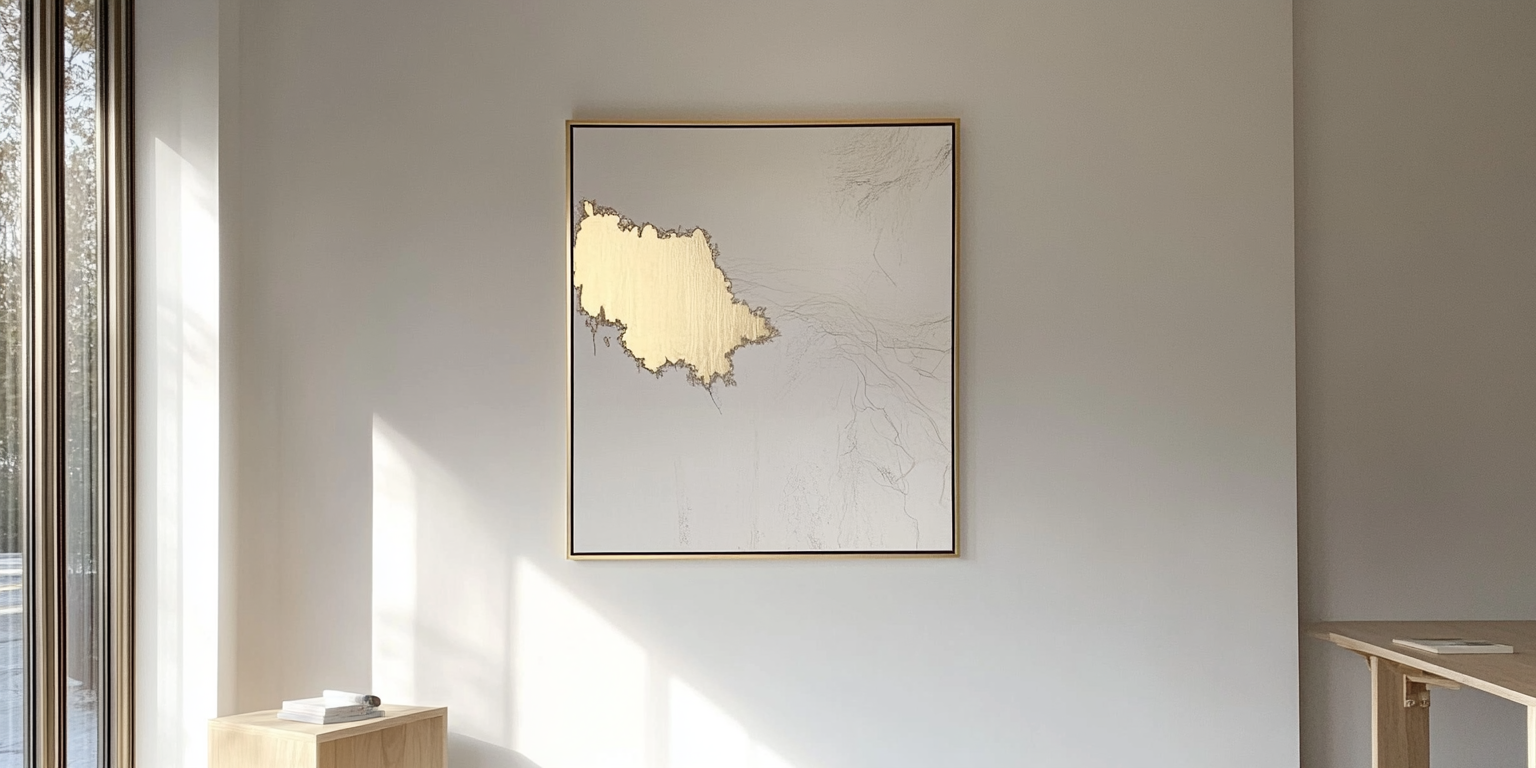
When shopping for art online or in galleries, especially in the world of contemporary decor, one question often arises: How do you recognize a high-quality art print? With the explosion of digital printing and mass production, not all prints are created equal. Whether you're a seasoned collector or decorating your home for the first time, knowing how to spot top-tier quality can save you money—and elevate your space. One of the best places to begin exploring fine print craftsmanship is through abstract canvas wall art, a popular category that combines creativity, modern design, and versatile home decor options. Why Quality Matters in Art Prints A high-quality print doesn’t just look better—it lasts longer, resists fading, and retains the original artwork’s texture and vibrancy. Whether you're decorating your bedroom, living room, or office, investing in well-made prints ensures your wall art stays stunning for years. Let’s break down the key elements of a premium art print—and how to identify them at a glance. 1. Sharp, Crisp Image Reproduction Top-quality prints maintain the fine details of the original artwork. Edges should be sharp, not pixelated or blurry. This is particularly important for complex pieces such as those found in our abstract wall art collection, where texture, brushwork, and layering are part of the visual experience. Example: In an abstract swirl of blue and gold, you should be able to distinguish each fine brushstroke—even from a distance. If colors look muddy or outlines are indistinct, it’s likely a lower-quality reproduction. 2. High-Resolution Printing The resolution of a print—measured in DPI (dots per inch)—directly affects its clarity. Fine art prints are typically produced at 300 DPI or higher. Anything less can compromise image quality, especially on large-format pieces like those in our Art Print collection. If you're buying online and the DPI isn't listed, zoom in on the sample images. Blurriness or graininess is a red flag. 3. Professional-Grade Materials Paper and canvas matter just as much as the image itself. Acid-free, archival-quality materials resist yellowing, moisture, and deterioration over time. Many of our pieces—including wood wall art—are printed on sustainably sourced, museum-grade surfaces. This ensures rich color absorption and long-lasting durability, perfect for maintaining color intensity even in well-lit rooms. Tip: Always check the product description for terms like “archival,” “giclée print,” or “UV-resistant inks.” These signal top-tier quality. 4. True-to-Life Color Accuracy Colors in a high-quality print should feel vibrant but natural—not overly saturated or dull. Abstract prints especially rely on bold, expressive palettes. That’s why quality prints use fade-resistant, pigment-based inks to match the artist’s original vision. To get inspired by how color influences space, see how we approach color psychology in our blog: Which Colors of Abstract Paintings Are Suitable for Bedrooms. 5. Solid, Gallery-Wrapped Canvas Edges In premium canvas prints, the artwork often wraps around the edge of the frame—called a “gallery wrap.” This gives a clean, modern look and eliminates the need for framing (although you can still frame it if you want to). This is especially desirable in larger statement pieces or trending formats, like those featured in The Most Popular Abstract Art Paintings in 2025. 6. Consistency Across Editions If a piece is part of a limited edition, check for consistency in color, number labeling, and signatures. A high-quality print run maintains uniform quality across all copies. Each should match in tone, saturation, and finish. 7. Certificate of Authenticity (COA) Many professional artists and galleries include a COA to verify that the print is genuine and limited. While not always essential, it's a sign of professionalism and collectible value. 8. Presentation and Framing Options How a print is presented can signal its quality too. Premium prints come well-packaged, often ready to hang, and with optional custom framing. Curious about display? Check out our guide on How to Frame a Canvas Print for tips on bringing gallery flair to your home. For those planning a larger redecorating project, consider room-by-room strategies—like this helpful read: Which Colors of Abstract Paintings Are Suitable for the Living Room. Final Thoughts: Invest in Art That Lasts Not all art prints are created equal. But once you know what to look for—from sharpness to materials to presentation—you’ll never settle for less again. Whether you’re building a home gallery or adding personality to your favorite nook, always prioritize quality. And if you're just starting to build your personal collection, there's no better place to explore than our diverse range of abstract canvas wall art. It’s where modern expression meets timeless craftsmanship.
もっと詳しく知る
The most popular abstract art paintings in 2025
In this expanded exploration, we dive deeper into the vibrant world of large abstract wall art in 2025, examining seven standout movements, practical installation advice, and profiles of leading artists. You’ll discover how scale, color, material, and context come together to shape interiors—and why these works are captivating collectors, designers, and everyday art lovers. With vivid examples, trend analysis, and strategic anchor links to Art Nouveau Vision’s curated collections and expert blog posts, you’ll have everything you need to select and showcase your next statement piece. 1. Monumental Color Fields: Immersive Hues Evolution and Appeal Color field painting emerged in the 1950s with artists like Mark Rothko, but 2025 sees a new generation expanding these works onto architectural scales—turning entire walls into gradient experiences. By employing custom-blended pigments and airbrush techniques, contemporary masters create seamless transitions that shift with ambient light. Notable Works & Artists “Crimson Tide” by Leona Faraday: A 10×8 ft canvas awash in scarlet-to-rose gradients, installed in a boutique hotel lobby to induce warmth and energy. “Silent Aurora” by Hiro Tanaka: Vertical bands of pastel green and lavender across 12 ft high panels, echoing northern lights in a private residence. Explore these sweeping vistas in our large abstract wall art collection. 2. Dynamic Geometric Abstractions: Precision Meets Play Why Geometry Resonates Humans instinctively respond to geometric forms—triangles convey stability, circles suggest unity, and lines denote direction. In 2025, geometric abstraction blends digital design tools with hand-painted execution, yielding compositions that feel both mathematical and organic. Case Study: “Vector Symphony” Comprised of overlapping transparent polygons, this 8×8 ft piece by Sofia Alvarez uses UV-reactive paint that glows under blacklight—perfect for modern entertainment spaces. Paired with modular furniture, it creates a sense of movement and flow. Discover more angular explorations under abstract wall art. 3. Minimalist Line Works: The Power of Restraint The Philosophy of “Less” Rooted in Zen and Bauhaus principles, minimalist abstracts strip composition to its barest essentials. In 2025, artists are experimenting with unconventional “lines”—etched metal rods, neon tubing, and textile seams—to expand the definition beyond paint. Highlight: “Neon Trace” by Marco Ishi A continuous loop of neon tubing mounted on raw linen, 72×24″. By day, the subtle shadow of the tubing creates a soft relief; by night, the neon emits an ethereal glow. See similar minimalist masterpieces in our minimalist wall art collection. 4. Mixed-Media Explorations: Texture & Depth Pushing Boundaries Mixed-media abstract art in 2025 often incorporates recycled and industrial materials—metal mesh, resin shards, even organic elements like driftwood. These pieces invite touch and change appearance based on viewpoint and lighting. Artist Spotlight: Renzo Marquez “Echoes in Gold”: Acrylic, gold leaf, resin waves—complete with integrated LED backlighting for day-to-night transformation. “Urban Fossil”: Concrete-infused canvas with embedded rebar fragments, evoking city decay and renewal. Immerse yourself in tactile works via our contemporary wall art range. 5. Algorithmic & AI-Assisted Abstractions The New Digital Vanguard AI-generated compositions, refined by human hands, are a hallmark of 2025’s abstract scene. Artists feed algorithms with curated datasets—historic paintings, natural patterns, architectural motifs—and then selectively paint over or collage the outputs. Example: “Neural Bloom” by Ayesha Patel A 6×6 ft print-on-canvas derived from a generative adversarial network, hand-finished with metallic leaf highlights. Demonstrates the synergy of machine unpredictability and human intention. Learn how to interpret these digital-born works in Interpret the Meaning of Abstract Art. 6. Installation & Styling Best Practices Matching Art to Environment Scale: Aim for art that covers 60–75% of the available wall space. Lighting: Use adjustable gallery lights or picture lights; mixed-media often benefits from side lighting to accentuate texture. Grouping: Create diptychs or triptychs of smaller abstracts for a cohesive gallery wall. Frame & Mount: Floating frames suit minimalists; raw edges and canvas wraps align with contemporary trends. 7. Forecast: Wall Art Trends Taking Over in 2025 Trend Description Why It Matters Sculptural Paintings Low-relief, three-dimensional extensions of the canvas Engages viewers from multiple angles Sustainable & Eco Practices Natural pigments, recycled substrates, carbon-neutral production Aligns with global environmental consciousness Interactive & Light-Responsive Works that change color or intensity via smart-home integration Personalizes ambiance and fosters dynamic spaces Dive into future-facing insights in wall art trends taking over in 2025. 8. Current Hot Picks: What’s Trending Now Oversized Pastel Gradients – Soft transitions in millennial pink, mint, and butter yellow. Monochrome Textural Fields – Single-hue works with heavy impasto or fabric collage. Fractal & Algorithmic Motifs – Repeating patterns inspired by nature and mathematics. Stay ahead of the curve with the most popular wall art trends at the moment. 9. Conclusion The world of large abstract wall art in 2025 is defined by bold scale, material innovation, and the fusion of digital and traditional techniques. Whether you gravitate toward serene color fields, edgy geometric forms, or tactile mixed-media wonders, there’s a piece waiting to transform your space. Use the insights and examples above—alongside Art Nouveau Vision’s curated collections—to find art that resonates with your aesthetic and tells your story.
もっと詳しく知る
Tempera vs Acrylic Paint: What's the Difference?
If you have read about the difference between acrylic paint and oil paint. Then, you may have noticed that tempera paints and acrylic paints have extremely similar properties. Most people can't tell the difference between tempera and acrylic paints. Both painting mediums look and act very similar. They both create stunning works of art. Despite their similarities, there are some key differences that give them distinctive characteristics. Understanding these differences will help you make a more informed choice. 1. What Are Acrylics? Acrylics were introduced in the 1950s. They are now one of the most popular types of pigment. These paints suspend pigments in an acrylic emulsion, which acts as a binder for the pigments. Most acrylic paints use water as the medium. When the water evaporates, the colors left behind are layered on top of each other in the presence of the acrylic binder. The use of acrylic polymers makes acrylic paints water soluble and also more durable than tempera paints. 1.1 Advantages of Acrylic Paints Because of its composition and water solubility, acrylic pigment has special properties. These advantages include the following: Versatility: Acrylic paint can be mixed with other acrylic paints. In addition, it can be combined and mixed with acrylic pigment mediums and additives. This gives acrylics a distinctive character and allows you to create more stunning effects. Vibrant Colors: Acrylics can be used with natural or synthetic pigments. Therefore, they are incredibly colorful. By mixing and blending, an almost infinite variety of shades and tones can be created. It Can Be Used on Most Surfaces: Acrylic paints can adhere to any porous surface. This includes paper, cardboard, foam, leather, wood, concrete, and stone. Especially if properly prepped and primed. Easy to Use: Acrylic paints are easier to use. You don't need to buy harmful or toxic chemicals to dilute acrylic paints. Durable: Acrylics bond the pigments together after they dry. Therefore, acrylic paints retain their color for a longer period of time, even if they are not sealed with varnish. Fast Drying: Since most acrylic paints are water-based. Therefore, they dry faster than other forms of pigments. 1.2 Disadvantages of Acrylic Paints There is no such thing as a perfect item in the world, and the same is true for acrylic paints. The properties of acrylic paints make them pleasing to some painters but unsuitable for others. Acrylic paints have the following disadvantages: Too Many Choices: Acrylic paints are available in almost every hue you can think of. Some painters may be overwhelmed by the number of color combinations. Darkens When Dry: Most acrylic paints dry to a darker color. So be aware of this when using them. Dries Quickly: Since acrylic paints dry quickly, you may need to limit the time you spend creating. This is especially true when creating on canvas, such as mixing. Additionally, acrylic paint dries quickly in a palette or brush, so it will need to be replenished or loaded frequently. Not all Surfaces Are Suitable: Although acrylic paint adheres well to porous surfaces. However, non-porous materials (such as glass, metal, and some plastics) do not respond well to acrylics or any other pigments. Difficult to Remove When Dry: Acrylic paint is easy to clean with soap and water when wet. However, when it dries, it is very difficult to remove. 2. What Are Tempera Paints? The name “tempera” originally referred to a painting medium. In this medium, pigment is mixed with a water-soluble binder, such as egg yolk, to create a permanent, quick-drying work of art. These tempera paints were used as early as the third century and were eventually replaced by oil paints in the 15th century. Today's tempera pigment (also known as “poster pigment”) is a distilled pigment. It binds the pigment with starch, cornstarch, cellulose, gum water, or other binders. This pigment usually comes in jars or bottles and is also available in powder form. Like acrylics, tempera paints use water as a medium and usually dry within 5 to 10 minutes. The exact time depends on the thickness of the paint layer as well as the temperature and humidity of the surrounding environment. 2.1 Advantages of Tempera Paints Egg tempera paints, like watercolors, are one of the oldest painting media known to painters. Today's poster pigments have a variety of properties that some artists find useful. They have the following advantages: Water-based: Tempera paints are water-based. Therefore, their viscosity is easily changed with water. Moreover, they are easy to clean even after drying. Safe and Odorless: Tempera paints are safe to use and odorless. This means that you can use them in small enclosed places such as bedrooms or cellars. Variety of Options: Tempera paints come in a variety of shades, both in cans/bottles and in powder form. This opens up some fascinating creative possibilities. Fast Drying: Since these pigments are water-based, they dry quickly and have a matte finish. Affordable: Tempera paints are available in most art stores at prices to suit any budget. 2.2 Disadvantages of Tempera Paints However, tempera paints also have some disadvantages that distinguish them from acrylic paints. These disadvantages include the following: Requires a Porous Surface: Tempera paint is usually used on paper or cardboard because they require a porous surface. As a result, it can be used on Styrofoam, wood, stone, and concrete, but not on plastic, glass, fiberglass, or metal. Poor Durability: Tempera paints usually have poor durability. Even when sealed with varnish, they can crack, flake, or peel over time. Reactivated by Water: Although tempera paints are easier to clean and less likely to stain. However, they reactivate when exposed to water. Easy to Mix Colors: Since tempera paints reactivate quickly when exposed to water. Therefore, when applying a new layer of tempera paint on top of the old one, it is easy to mix the colors. 3. What is the Difference between Acrylic Paint and Tempera Paint? Now that you know more about acrylic paints and tempera paints, what is the difference between them? To make it easier to compare these two common painting mediums, consider the following factors: 3.1 Color Vividness and Opacity Acrylic and tempera paints are not comparable in terms of color richness and opacity. This may be related to the way in which both pigments were developed. As mentioned earlier, acrylic pigments consist of pigments dispersed in a polymer emulsion. This polymer emulsion holds the pigment particles together as the water dries, allowing acrylic pigments to retain their color and brightness over time. Similarly, tempera paints are prepared by combining pigments with a water-soluble binder, such as starch or other binders. The binder, like acrylic paint, keeps the pigment in place after the water evaporates. Once the pigments have dried, it is difficult to tell them apart. However, tempera paints dry flat and matte. Acrylic paints, on the other hand, leave a clean, glossy surface. 3.2 Mixing and Coloring Acrylic paints are great for mixing and blending. Acrylic paints dry quickly and are, therefore, difficult to mix. However, you can use acrylic paint mediums or acrylic paint retarders to prolong its action. In contrast, poster pigments are easily reactivated by water. This can lead to mixed shades rather than the desired mixing effect. 3. 3 Health and Safety Considerations As long as the manufacturer's instructions are followed and health and safety are observed. Then, acrylic and tempera paints are generally safe to use. For example, acrylic paints contain synthetic polymers that release toxic gases when heated or burned. Therefore, use acrylic paints away from open flames or heat sources. On the other hand, tempera paint has the reputation of being “non-toxic”. However, it should not be used as face or body paint. If it comes into contact with the skin, it should be rinsed off with soap and water. 4. Summary Tempera paints are as vibrant and opaque as acrylics. They dry faster and are less expensive than acrylics. Acrylic paints are more versatile, easier to mix, and more durable. In addition, painting with acrylics produces a smoother result. Acrylic paints may be slightly more expensive. But for the performance of the paints, the price you pay is worth it.
もっと詳しく知る
What is the Customization Process of Wood Carvings?
Wood carvings have long been a symbol of craftsmanship and timeless beauty. At their best, these intricate artworks do more than fill a space—they tell a story, evoke emotion, and showcase individuality. Whether you’re revamping your interior or adding a signature piece to your gallery wall, custom wood carvings offer an exquisite solution. But what exactly does the customization process entail? In this guide, we’ll take you through the artistic journey, from concept to creation, that goes into each unique piece of wood art. If you’re seeking a standout statement piece, consider how a handcrafted wooden for wall decor item can elevate your space. Beyond aesthetics, it’s a personalized design experience that lets your imagination take form in finely carved wood. ✨ Step 1: Inspiration and Idea Development The journey begins with a vision. Clients typically come to us with a theme, mood, or space in mind. For instance, a family designing a cozy mountain cabin may request a panel that captures nature—think pine trees, deer, or swirling clouds. Others might be drawn to abstract patterns or Art Nouveau-inspired curves. Our artists work closely with clients to understand: The desired style (minimalist, detailed, classic, modern) The dimensions and shape (square, rectangular, round, or freeform) The wood tone (light pine, rich walnut, deep cherry) Any personal symbolism or motif (floral vines, family crests, celestial elements) These consultations often spark creative ideas. For example, one client wanted a mural of waves inspired by Japanese woodblock prints—this resulted in an elegant, flowing piece with movement etched into every curve. Step 2: Sketches and Digital Mockups Once the creative direction is finalized, the artist begins drafting. These sketches can be done by hand or digitally, and they allow for quick feedback and revisions. A recent project featured a stylized phoenix—an emblem of rebirth and transformation. Our team provided three interpretations, each with its own composition and energy. Mockups are particularly useful in previewing placement and scale. Whether your carving will hang above a fireplace or beside a stairwell, digital previews help you visualize balance and flow. Step 3: Material Selection and Preparation This step is crucial—different woods yield different results. We offer high-quality, sustainably harvested woods like oak, walnut, maple, and cherry. For instance, oak’s deep grain adds rich texture, perfect for nature motifs. Cherry provides a smoother surface, ideal for carvings with fine detail. You can learn more about these material characteristics in our blog exploring the durability and texture of different wood carvings. Each board is carefully prepared—cut, planed, and checked for knots and imperfections—to ensure a flawless canvas. Step 4: Carving and Detailing Here’s where the magic happens. Our artisans combine traditional hand tools with precise CNC carving for optimal results. Details are everything—from the ripple of a leaf to the feathering in a bird’s wing. Interested in pre-designed styles or looking for inspiration? Take a look at our handpicked Wood Wall Art collection to see the range of techniques and tones available. Every line and contour is designed to play with light, casting subtle shadows that change throughout the day, creating living, breathing art on your walls. 🪵 Step 5: Finishing Touches Once the carving is complete, we sand the surfaces and apply finishes. These can range from rustic matte to high-gloss contemporary looks. Stains highlight the natural grain of the wood, while sealants protect it for years to come. Want a glossy black walnut finish that screams elegance? Or maybe a sun-kissed maple with a soft matte sheen for a cozy reading nook? We've done it all. Step 6: Mounting and Installation Function meets form here. Each piece comes with hardware suited to your wall type and display preference. Whether it’s a traditional frame or floating mount, installation is designed to be as smooth as possible. If your taste leans toward abstract or unconventional shapes, our Curved Wall Art collection features creative, flowing designs that challenge the norm and add a sense of movement. Why Customization is Worth It Choosing a bespoke piece means embracing uniqueness. One client had their wedding vows subtly engraved into a background of flowering vines—an heirloom with both visual and emotional depth. Not sure where to begin? Our guide choose the best wood carvings offers expert tips on selecting styles that match your space, lighting, and personality. Final Thoughts The process of customizing wood carvings is collaborative, immersive, and incredibly rewarding. It’s not just wall decor—it’s your story in wooden form. 🌿 With every chisel stroke and brush of stain, your idea transforms into a tangible, lasting piece of art. Explore our collections and start designing a wooden masterpiece that feels truly yours.
もっと詳しく知る
How to Choose the Best Wood Carvings for Your Space
When it comes to giving your home character, warmth, and a touch of artistry, nothing does it quite like wood wall art decor. From intricately hand-carved panels to modern geometric designs, wood carvings bring texture, soul, and story to any room. But with so many styles, wood types, and craftsmanship levels available, how do you know you're choosing the best wood carvings for your space? In this guide, we’ll walk you through what to look for when selecting quality wood wall art—covering everything from grain patterns and durability to matching with your interior style. Whether you're decorating a minimalist loft or a cozy farmhouse, we’ll help you find the perfect piece. 1. Know Your Style: Modern Minimalism or Rustic Charm? Before diving into technical details, take a moment to define the aesthetic you're going for. Do you lean toward clean, Scandinavian lines, or are you drawn to ornate, boho-inspired wall panels? For modern interiors, geometric wood wall art decor with smooth finishes—like carved teak triangles or layered birch designs—can add structured elegance. In contrast, traditional homes or nature-inspired spaces benefit from rustic, hand-carved panels that showcase natural wood imperfections like knots and grains. 💡 Tip: A piece with rough-hewn edges and visible grain can instantly warm up a sleek white wall, adding visual depth without overwhelming the space. Explore our full Wood Wall Art Collection to see a variety of styles curated for different interiors. 2. Pay Attention to the Type of Wood Not all wood is created equal. The type of wood used greatly affects the look, weight, durability, and even scent of the artwork. Teak is dense, water-resistant, and has a rich brown hue—perfect for detailed carvings. Pine is lightweight and soft, ideal for painted or distressed finishes. Mango wood offers a unique texture with earthy, golden tones. Reclaimed wood adds a sustainable story and aged character. For an in-depth breakdown of wood types and their durability, check out our guide: Exploring the Durability and Texture of Different Wood Carvings. 💡 Example: One customer paired a hand-carved reclaimed wood mandala above their fireplace, balancing the sleek concrete mantle with organic, intricate texture—proof that opposites attract beautifully. 3. Examine Craftsmanship and Finish A truly great piece of wood wall art decor reveals its value in the details. Look closely at the edges, depth of carving, and consistency of finish. Are the carvings symmetrical where they’re meant to be? Is the finish smooth or intentionally distressed? Is the back reinforced to avoid warping? High-quality pieces are often hand-finished and may take several days—or even weeks—to complete. Machine-made art may be cheaper, but it often lacks the soul and variation of handmade work. Also, consider whether you want a natural finish, which highlights the wood grain, or a painted/distressed finish, which can add color and contrast to your walls. 4. Consider Size and Scale A small 12x12" carved piece might be perfect for a nook, but it could look lost on a large living room wall. Think about the space you’re decorating: For feature walls, go bold with oversized carvings or try a triptych panel set. For entryways or hallways, vertical carvings can add flow and height. For gallery walls, mix smaller wood carvings with mirrors, photos, and textiles. 💡 Example: A large round floral carving made from mango wood can act as a statement piece above a bed—drawing the eye upward and anchoring the room. If you're unsure how to balance your space, check out our practical styling tips in: How to Decorate a Wood Wall. 5. Compare Real vs. Artificial Materials Lastly, it’s crucial to know what you’re actually buying. Many stores label MDF or engineered wood as “wood wall art,” but these materials don’t offer the same look, feel, or lifespan as solid, natural wood. Real wood has depth, variation, and tactile appeal. It also ages gracefully—sometimes even better over time. Engineered wood or plastic-based options might be cheaper but are prone to chipping, warping, and color fade. If you're weighing the pros and cons, don’t miss our detailed post: Real Wood vs. Artificial Materials, which breaks down costs, longevity, and sustainability. Final Thoughts: Let the Art Tell a Story The best wood wall art decor isn't just a visual accent—it’s a reflection of your taste, your home’s personality, and your values. Whether you choose a handcrafted lotus panel from India or a minimal walnut hexagon set, your choice of carving brings depth and meaning to the wall it lives on. Choosing quality over quantity, real over artificial, and craftsmanship over mass production ensures that your wall isn’t just decorated—it’s elevated. 🪵 Ready to Find the Perfect Wood Carving? Begin your journey with timeless, authentic design. Browse handcrafted treasures, explore thoughtful guides, and bring your walls to life with meaningful pieces. Start here: Wood Wall Art Decor
もっと詳しく知る
Real Wood vs. Artificial Materials – Which One Should You Choose?
When it comes to choosing the perfect wall art for your home, one of the biggest decisions you'll face is the choice of materials. Should you go with real wood, known for its natural beauty and timeless durability, or opt for artificial alternatives like MDF, particle board, or plastic composites? Each option comes with its own strengths—and drawbacks. In this article, we’ll dive deep into the differences between real wood and artificial materials in wall decor. From aesthetic value and texture to environmental impact and longevity, we’ll help you determine which option is the best fit for your space. The Aesthetic Appeal: Authenticity vs. Uniformity One of the most obvious advantages of real wood wall art is its organic charm and one-of-a-kind grain patterns. Whether it's carved oak, reclaimed pine, or hand-sanded walnut, no two real wood pieces are exactly alike. This gives your decor a natural richness and character that’s difficult to replicate. In contrast, artificial materials often lack this depth. Though some MDF or laminate designs are manufactured with wood-look finishes, they tend to look too uniform and can appear flat or synthetic up close. For design enthusiasts seeking warmth and texture, real wood wins. Take for example our wood wall art collection: pieces in this collection are crafted from real, sustainably sourced timber. Many feature hand-carved detailing, layered textures, and subtle color variations that make each piece a statement in its own right. Durability: Built to Last or Short-Term Style? Durability is another key factor to consider. Real wood wall art is known for standing the test of time. When properly cared for, it resists sagging, warping, and general wear and tear. If you’ve ever inherited an antique wooden piece, you’ve seen how well solid wood ages. On the other hand, artificial materials like MDF or plastic are far more vulnerable to environmental factors. Humidity can cause warping, while scratches or chips often reveal their synthetic core. These issues are especially common in high-traffic areas or places exposed to fluctuating temperatures—like kitchens, entryways, or bathrooms. If you’re curious about how different types of wood hold up under pressure, check out our in-depth blog: the durability and texture of different wood carvings. It offers insights into why materials like teak, mahogany, and maple are often chosen for heirloom-quality wall art. Environmental Impact: Sustainability Matters As consumers become more eco-conscious, the materials used in wall decor are gaining more scrutiny. Real wood, when responsibly sourced, can be a highly sustainable choice. Reclaimed or FSC-certified wood supports forest preservation and gives old materials new life. Artificial options, on the other hand, are frequently made from petroleum-based components and involve chemical-heavy manufacturing processes. While some engineered woods use recycled content, they rarely have the same environmental credentials as ethically harvested timber. For eco-minded decorators, choosing real wood wall art not only adds style to your space but also supports better environmental practices. Texture & Tactility: Feel the Difference The texture of real wood wall art is hard to beat. Whether it’s a rustic barnwood piece with hand-scraped edges or a smooth, sanded minimalist panel, the tactile quality adds richness to any wall. Wood's natural imperfections—like knots, grains, and subtle cracks—give it soul and story. Artificial materials attempt to mimic this through embossing or printing, but often fall short in creating that “real feel.” While they may look good from a distance, they rarely invite the same kind of interaction or visual intrigue. In styling guides like How to Decorate a Wood Wall, we emphasize how real wood complements stone, metal, and woven textures beautifully. Its versatility across styles—from boho to industrial—makes it a designer favorite. Cost Consideration: Budget vs. Value It’s true—artificial wall art is generally more affordable upfront. For shoppers with tight budgets or temporary decorating needs, MDF or laminated pieces can offer a modern look at a lower price point. However, real wood offers better long-term value. Its durability means you won’t be replacing it every few years, and it often retains (or increases) its aesthetic appeal over time. Think of it less as a trendy purchase and more as a design investment. Final Verdict: What’s Right for You? If you’re looking for wall art that combines beauty, texture, sustainability, and longevity, real wood is hands-down the superior choice. While artificial materials can offer budget-friendly alternatives, they often lack the richness and durability needed to elevate your space long-term. Whether you're curating a modern gallery wall or creating a rustic feature above your fireplace, real wood wall art offers a grounded, timeless aesthetic that’s hard to match. Ready to transform your space? Explore handcrafted, authentic pieces that tell a story, last a lifetime, and feel as real as they look. Visit our wall art homepage for more design inspiration, or browse our full wood wall art collection to find your perfect piece.
もっと詳しく知る
The Future of Large Wall Decor
Large wall decor can significantly improve the appearance of a large living room. It makes it visually appealing and coherent modernist design. Large wall art decor serves as a focal point and provides elegance and depth to the house. Experience the change that large wall decor can bring. Let's take a deeper look into the future of large wall decor and see how choosing large wall decor can transform your interior space. 1. Why Are Large Wall Decor Becoming Popular? When it comes to interior decorating, people usually focus on modest accessories and furniture. However, an emerging trend is shifting the focus to more striking elements, which is dramatically changing interior decorating. Here's why large wall decor stands out: Immediate Impact: When you walk into a room, a large piece of wall art decor will immediately catch your eye. It's a great way to set the tone for a room. Simplified Visual Effect: A large piece of wall art emphasizes simplicity more than a bunch of smaller pieces. Too much small wall art can occasionally create visual clutter. Vary Your Style: Don't limit yourself to paintings. From murals to sculptures, there are a variety of large wall decorations to choose from. 2. Different Types of Large Wall Decor Ideas There are several different types of large wall decor ideas available in the market today. You can choose the right wall art according to your preferences and house style. Oversized Paintings or Prints: Art can communicate silently. A large painting or print can tell a story and set the mood of a room. Whether it is abstract, modern, or hyperrealism wall art. Tapestries and Wall Hangings: They are more than just a tribute to the past. Modern tapestries bring color, texture, and softness to interiors. Tapestries can be patterned and subtle or bold, depending on your preference. Metal Wall Decor: They are for those who want to combine tradition with innovation. Metal wall art adds a modern touch with its detailed features and smooth finish. Murals: A wall-sized piece of art or photograph can transport you to an alternate universe. From trees and galaxies to surreal wall art, the options are endless. 3D Wall Panels: These wall panels use shadows and light to bring a 3D effect to your walls, creating a sculptural character. Wooden Artifacts: Carved wooden panels and driftwood sculptures can bring a rustic, earthy feel to a modern room. Mirrors: In addition to being practical, a large decorative mirror can make a space appear larger, brighter, and more aesthetically pleasing. 3. How to Choose Large Wall Decor Choosing and buying large wall art can be difficult. Therefore, you can refer to the following factors to choose the right large wall decor. Room Dynamics: First, look at the available space. If the room is large with high ceilings, then wide wall decorations will be appropriate. For cozier areas, consider pieces that are huge but not overwhelming. Color Scheme: Wall decor should complement or contrast with the room's color scheme. Consider how it will interact with the existing color palette. Personal Style: Your decor should represent your personal style. Whether you prefer minimalist or maximalism art. Don't choose it just because it's trendy, but make sure it fits your style. Budget: Large wall decor comes in a wide range of prices, so you'll need to set a budget. But keep in mind that some items, especially artwork, can be an investment. Installation: Large wall decorations can be heavy. Make sure your walls are sturdy enough to withstand the weight and have the right mounting brackets. Balance and Harmony: Consider how large wall decorations will work with other elements in the area. For example, existing furniture, flooring, and lighting. 4. Understanding the Importance of Trim Size The concept of large wall decor is more than just taking up wall space. Through the precise interaction of size, color, and design elements, visual masterpieces can be created. Depth of Space: Larger items can add depth to a room. Especially in compact or small areas. A large painting or mural can make a space appear larger and create a light atmosphere. Setting the Mood: Large wall art can set the tone for a room. A large photo of a beach can evoke tranquility. While a vivid abstract piece can inspire energy. Architectural Fusion: Large wall decor can blend well with architectural features. You might consider pairing the mantel with a long horizontal piece of art. In addition, you can use vertical artwork to accent tall, narrow walls. 5. Popular Large Wall Decor Options The wall decor market is constantly evolving. Today, there are many solutions to suit every taste and house type. Canvas Divided Art: This is a new twist on traditional painting. When placed side by side, a number of canvas panels divide the artwork into a unified image. This trendy approach can add flair to a modern home. Green Walls: This method is perfect for nature lovers. Transforming a wall into a vertical garden may be both visually appealing and environmentally healthy. You can even add succulents, ferns, and herbs to these vibrant walls. Ethnic Crafts: For those looking for global décor, giant tribal masks, dream catchers, and traditional weavings can add a unique flavor. Carving Panels: These are 3D wall panels with repeating patterns. They experiment with light and shadow to create ever-changing images over time. 6. Tips for Integrating Large Wall Decor To successfully incorporate large wall decorations, it is important to consider a number of factors: Wall Assessment: Not all walls are suitable for large-scale decorations. Consider the sturdiness of the wall, especially if you plan to hang large wall art. Balance of Proportions: Although you tend to place large decorations. Make sure they don't overshadow other items in the area. Positioning and Lighting: Proper lighting can enhance the decorations. You may want to consider using spotlights for artwork and ambient lighting for textured panels. Variation is Good: Remember that wall decor is not permanent. It doesn't hurt to change it up once in a while. You can change or replace the decorations to give the room a new look. 7. Summarize Choosing large wall decor means celebrating the power of scale, design, and beauty. These wall arts can transform a space, not just fill it. They can spark conversations and improve moods. Most importantly, they represent personal style. Large wall decor enhances this narrative, making each space a gorgeous chapter in the story of “home.” In the digital age, the options for large wall decor are growing. The future of large wall decor will see more innovation, customization, and more room for creativity. Ultimately, our homes are personal sanctuaries where every wall represents an opportunity. It's a chance to show off taste, tell a story, and create a unique space.
もっと詳しく知る
The Complete Guide to Buying Large Wall Art
Buying large wall art can be a daunting task! Finding large wall art can be both time-consuming and expensive. In addition, most people don't know how to decorate large wall art. This should not be the case when shopping for home decor. Here is a guide to buying large wall art. It can help you pick the ideal wall art decor for your home. As you begin or continue your search for the ideal large wall art, keep in mind that it should be enjoyable. 1. Determine Your Budget Your budget will immediately help you narrow down your options for large wall art. Original or limited edition art can be quite expensive. While more common prints and artwork are usually less expensive. You may choose to purchase some distinctive wall art at a reasonable price. 2. Find Your Own Style Finding your own style of art can be a challenge, but it can also be a joy. You can spend time researching various forms of wall art. You can do most of your research online or through social media. In addition, you can use various apps and websites to narrow down suggestions. On the other hand, you can also visit nearby art museums and galleries. You may want to try several types and colors of large wall art to see which one best represents your preferences. Listed below are several types of art styles. 2.1 Minimalist Wall Art Minimalist wall art uses color, form, or line to create an overall impression of simplicity in the artwork. As a result, this type of artwork rejects the notion that art must be a visually accurate representation of people, places, or objects. Instead, it is a relaxing presence. 2.2 Pop Wall Art Artists in this style like to use images from popular and mass culture. Examples include celebrities, well-known advertisements, popular television personalities, and, in rare cases, promotional items. This style of art has a bold perspective and is meant to show individuality. 2.3 Urban Wall Art This type of wall art usually depicts iconic cityscapes and prominent landscapes from around the world. Artists use their medium to depict cities from their point of view, or at least from a perspective that most people don't see on a daily basis. These spectacular, out-of-this-world images allow viewers to experience their art in unexpected ways. 2.4 Surreal Digital Art In recent years, technology has created a new type of image that blurs the line between reality and imagination. Each piece of artwork offers a unique perspective and is understood differently by the viewer. This type of digital art allows for the digital redesign of old artwork. In addition, it can also mix different forms, colors, and distorted environments. In either form, these pieces will broaden your understanding of the artwork. 2.5 Abstract Wall Art Abstract art promotes creativity and reflection. It emphasizes the use of color and line to convey movement and emotion. You may get caught up in a variety of meanings and emotions when you see unexpected brushstrokes and patterns. 2.6 Nature Murals Surroundings have a significant impact on a person's emotional and mental health. Large nature wall art can bring a sense of tranquility to any environment. Since nature has a purifying effect, you can now utilize it on your walls. Choose large wall art that includes landscapes of wilderness, mountains, lakes, and oceans. This artwork will undoubtedly bring a new sense of calm to your space. 3. Show Your Personality As you can see from the examples above, large wall art comes in a wide variety of types and styles. While it may be daunting at first. However, this is actually good news for you when it comes to finding the right piece. This is because it means that there will almost certainly be a piece out there that suits your personality. Therefore, it is necessary to consider how to buy large wall art. Take some time to think about your needs and how you would like to display your personality. If you need help with this, you can contact us. Art Nouveau Vision can help you select and customize large wall art. 4. Art Size It is also important to consider the size of the wall art. Artwork hung on the wall should take up “two-thirds” to “three-quarters” of the wall space. If hanging near furniture such as a bed or sofa, make sure that the width of the hanging art is “three-quarters” of the width of the furniture. Wall art that doesn't cover most of the wall can make a space feel empty, uninteresting, and unattractive. Large wall art has a much greater impact on the room and the people in it. If you're going to do anything, then be bold! 5. Consider Placement Obviously, if you are looking for large wall art. Then, you will know which wall will hold the items you have chosen. However, this does not mean that you have figured out where to put it. Even large wall art comes in different sizes. That's why you also need to consider how to hang your wall art. Because all these factors will influence your final choice. 6. Material Choices In addition, the material of the large wall art has a great impact on the overall ambiance of the room. Framed wall decor and oil painting art can convey elegance. Fabrics and canvas, on the other hand, can create a more organic atmosphere. 6.1 Fabric Wall Art Fabric wall art is sturdy and suitable for large-sized displays. These wall arts can be removed from the frame at any time and can be easily stored when not in use. This allows you to have a variety of prints and change them at any time. This provides the interchangeability that most styles lack. 6.2 Tapestries Tapestries are hand or loom-woven textile works of art. These works of art are made by repeatedly weaving multiple silk threads to form images on the fabric. Recently, tapestries have become a mass-produced product with popular images and photographs printed on low-cost fabric. Often available in large quantities, these tapestries are a fun way to add style to your home. 6.3 Framed Photo Printing Framing in photography refers to the arrangement of visual elements and the position of the subject in relation to other items in the image. Framed wall art can be used in a similar way to make the image more visually appealing. As a result, the viewer's attention will always be focused on the framed elements. Framed wall art is usually a more complex way of displaying art. This is especially true for larger-sized artworks, as they can be bulky and difficult to move. In addition, frames and glass panels can make replacing paintings more time-consuming. 6.4 Canvas Art Canvas art involves pictures printed on canvas and then stretched over a frame. Artwork in this material is very popular and is available on a variety of internet sites and retail stores. Canvas is less expensive compared to other types of wall art. However, it is limited in size and difficult to move or store. 7. Summary In conclusion, purchasing large wall art can be somewhat difficult. However, it can greatly enhance the ambiance of your living space. By carefully considering factors such as size, material, and personal preference, you can choose a piece that complements your existing décor while reflecting your own unique style. Remember to measure your wall space accurately and explore a variety of large wall art sources. Art Nouveau Vision can provide you with the large wall art you need. The right large wall art can be a captivating focal point that enhances the beauty and ambiance of your home.
もっと詳しく知る
Wall Art Trends Taking Over in 2025
Interior design trends will continue to evolve in 2025, and wall art is no exception. Homeowners want to showcase their style, and wall art continues to be one of the most effective ways to do so. Transformative art movements such as augmented reality and artificial intelligence are changing the way viewers interact and express themselves artistically. This changing landscape represents a new trend in wall art. It demonstrates how platforms are adapting to contemporary styles and technologies. Understanding the latest trends may help you make timeless decisions when renovating or moving into a new area. In this article, we will explore popular wall art trends for 2025. Examples include the popularity of gallery walls and the growing interest in canvas art. In addition, we will provide you with a complete guide to popular wall decorations. 1. What Are the Trends in Interior Design for 2025? The main trends for 2025 are customization and storytelling. People are moving away from generic wall art to artwork that reflects their personal experiences and preferences. This trend is less about sticking to a single style and more about curating art collections. They can tell stories, generate emotions, and interact with the viewer on a personal level. Ultimately, this creates a sophisticated aesthetic that adds luster and elegance to living areas. Sustainability is another important theme. Eco-conscious buyers prefer artwork made from sustainable materials. Such as recycled canvas or wall art printed with eco-friendly inks. This trend is in line with the wider sustainable living movement. As this decade progresses, the sustainable living movement is growing. 2. Are Gallery Walls the Trend for 2025? The gallery wall was once a dominant theme and is still popular in 2025 but with a twist. The carefully curated symmetrical arrangements of previous years are giving way to more contemporary designs. The 2025 gallery walls are more eclectic, encompassing a variety of art genres, frame types, sizes, and vivid patterns. This can create a striking design for the space. The key is to make the wall appear to be progressively pieced together rather than done all at once. This approach can lead to more innovation and personality. Homeowners can combine family photos, antique treasures, contemporary art, and 3D artwork. The goal is to design a gallery wall that expresses personality and tells a story. 3. How Can I Decorate My Walls with Natural Materials? Decorating your walls in 2025 is about expressing your personality while staying true to your tastes! Here are some suggestions to help you with your decorating: 3.1 Large Wall Art Large artwork is currently popular, and it makes for a better way to decorate large walls. Whether it's giant canvas posters, paintings, or tapestries, there's more than enough to go around in 2025. This theme is perfect for those who want to make an impression but don't want to crowd the wall with too many pieces. 3.2 Mixed Art Don't be afraid to display multiple types of artwork on the same wall. You can combine paintings, prints, pictures, and 3D wall art. This can create a vibrant and visually appealing environment. 3.3 Superimposed Textures Another wall art trend to look out for is the use of various textures. You can consider adding woven wall hangings, metal wall art, or textured artwork. These pieces can provide depth and dimension to your wall design. 3.4 Sustainable Options As sustainability becomes increasingly important, look for artwork that is made from eco-friendly materials. This can include water-based ink prints, scrap wood frames, or recycled material canvases. 3.5 Personalization Today, people want their homes to reflect their unique personalities. Bespoke items, whether commissioned artwork or personalized prints, are becoming increasingly popular. As a specialist wall art brand, Art Nouveau Vision can provide you with customized service. 3.6 Geometric Patterns To keep up with the trends in wall art design in 2025, go for geometric patterns. These geometric patterns are perfect for modern style rooms. They can be better paired with brightly colored minimalist décor. 3.7 Organic Shapes Alternatively, you can use organic shapes inspired by nature to improve the ambiance. These designs have a calming and refreshing effect. They can visually and psychologically connect with the natural world. 4. What Are the Trends in Wall Art in 2025? Various themes and types of wall art are becoming popular in 2025. Here are some factors to consider: 4.1 Abstract Wall Art Abstract designs continue to dominate wall art. Bold colors, geometric shapes, and fluid forms are all in vogue. Therefore, abstract wall art can still give you a modern and stylish look. 4.2 Nature-Inspired Art Nature-inspired art is becoming increasingly popular as people become more conscious of their health and the environment. You can consider botanical prints, landscapes, and artwork with natural components such as wood or stone. The use of natural materials can add aesthetic value to interior design. In addition, it coincides with eco-friendly and sustainable art trends. 4.3 Minimalism The minimalist trend is not going away. Clean lines, uncomplicated forms, and neutral colors are still popular. This is especially true in terms of creating a serene and peaceful environment. Subtle patterns can create a polished, relaxed atmosphere without overpowering it. 4.4 Maximalism On the other hand, maximalism is on the rise. At the heart of this trend are colors, patterns, and textures. It's perfect for people who like bright and varied styles. 4.5 Digital Art As technology continues to permeate every aspect of our lives, digital art is becoming more and more popular. Digital printing, NFT art, and other technology-based art forms are becoming more accessible and popular. 5. Conclusion In 2025, wall art trends will reflect a greater shift toward customization, sustainability, and bold design choices. Whether you prefer large-scale wall art, quirky gallery walls, or nature-inspired prints. These popular wall art trends have something for everyone. At Art Nouveau Vision, we can help you find the ideal wall art for your home. With a wide range of different styles of wall art decorations, we can make sure that you express your personal style while keeping up with the times. 6. Frequently Asked Questions 6.1 What Are the Wall Art Trends Taking Over in 2025? The trend for 2025 is customization and storytelling. Instead of sticking to a single style, this wall art trend is more about curating art collections. They personalize and interact with the viewer by telling a story. 6.2 What Are the Key Trends in Digital Art in 2025? Artificial intelligence (AI) art is becoming increasingly popular as technology advances. Artists are using AI to create distinctive and original works. These works question long-held assumptions about creativity. 6.3 Are Gallery Walls Going Out of Style? Although the gallery wall is no longer a popular trend in interior design. However, it remains an important and visually appealing aspect of home décor.
もっと詳しく知る