

ArtNouveauVision Blog
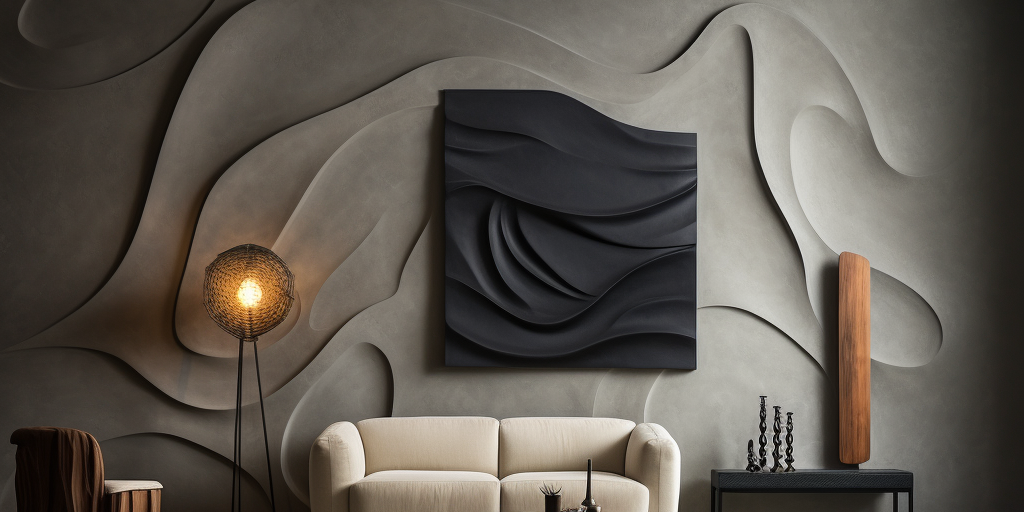

How to Clean Wood Carvings Without Damaging the Art?
Wood carvings bring warmth, depth, and personality to any space—but just like any piece of art, they require a little TLC to maintain their beauty over time. Whether it’s a detailed floral panel or a bold abstract sculpture, proper care ensures your wood art remains striking for years to come. If you're investing in timeless wood decor, it's just as important to know how to clean and preserve it. Want to elevate your space with handcrafted wood art? Make sure you know how to care for it the right way. 😉 Dusting: Your First Line of Defense Dust may seem harmless, but over time it can dull the finish and settle into fine grooves. Use a soft-bristle brush, like a clean makeup brush or artist’s paintbrush, to gently sweep away dust. For example, a client with an intricate oak carving of a cherry blossom tree uses a camel hair brush weekly to keep the petals pristine. Never use feather dusters—they can snag or leave scratches. A microfiber cloth is great for flat surfaces but may miss crevices. A small handheld vacuum on the lowest suction setting (with a soft brush attachment) can also be useful for larger pieces. You can explore beautifully detailed pieces in our Wood Wall Art collection, many of which feature delicate lines that benefit from regular gentle cleaning. Dealing With Grime and Fingerprints Over time, natural oils from hands can create smudges, especially on lighter woods like maple or pine. For spot cleaning, dampen a soft cloth with distilled water—never soak it! Add a drop of mild dish soap if needed, but avoid any harsh cleaners or sprays. A client once used a citrus-based cleaner on a walnut carving and accidentally stripped the finish 😱—a cautionary tale! Always test on a hidden section first. Protecting the Finish After cleaning, allow your wood carving to dry fully. If the finish looks dull, you can apply a small amount of beeswax-based wood polish. Rub it in gently with a cotton cloth, following the grain. Avoid silicone-based products—they can create buildup or interfere with future refinishing. If you're into organic curves and natural movement in design, many pieces in our Curved Wall Art collection showcase finishes that need this kind of careful maintenance to stay radiant. Avoid Moisture and Direct Sunlight Wood is naturally sensitive to its environment. Humidity can cause swelling or cracking, and direct sunlight can bleach certain wood tones over time. Display your carving in a well-ventilated area away from heat vents or windows. We recently helped a client move a custom piece out of a sun-drenched corner after they noticed fading—lesson learned! 🌞 You can read more about the properties of various woods and how they hold up under environmental conditions in our blog Exploring the Durability and Texture of Different Wood Carvings. Seasonal Deep Cleaning Once or twice a year, give your carvings a deeper clean. Remove them from the wall (if possible), inspect for buildup or changes, and treat the surface with a nourishing polish. This is also a good time to reassess the piece’s placement and condition—has the lighting changed? Is it still the centerpiece of the room? Our guide choose the best wood carvings offers tips on placement and matching pieces with interior styles. Custom Carvings Need Special Love If your carving is a custom piece, it likely contains more delicate or irregular detailing. For these, follow the care instructions provided by the artist or creator. At customization process of wood carvings, you can learn how each step of the process influences long-term care—especially finishing techniques. Final Thoughts Cleaning wood carvings isn’t just about maintenance—it’s about respect for the craft. With just a little care, your wood piece can remain a vibrant part of your space for generations. 🪵 Be sure to use gentle tools, avoid harsh conditions, and stay consistent. Whether you're caring for a family heirloom or a brand new sculpture, the love you put in will always show.
Apprendre encore plus
Exploring the Durability and Texture of Different Wood Carvings
Wood carving has long been celebrated for its rich textures, natural warmth, and timeless appeal. In today’s modern décor, pieces of carved wood not only serve as cultural artifacts but also add a dynamic layer of visual interest and depth. In this post, we explore the durability and texture of different wood carvings, along with examples and practical tips that will help you appreciate and care for your art collection. The Timeless Appeal of Carved Wood Carved wood has a storied history in art, architecture, and daily life. Its enduring quality comes from the natural strength of the wood, combined with the skill of the artisan. When considering a decorative piece, many art enthusiasts turn to wooden wall art. This type of art not only enhances interior spaces with its organic charm but also stands as a testament to enduring craft. Wood carvings are produced using various techniques—from intricate relief carvings to bold sculptural forms. While the methods may vary, the resulting textures and finishes play a crucial role in defining the character of each piece. Some carvings emphasize fine details, showing off delicate patterns etched into the grain, while others feature rougher, more expressive strokes that highlight the natural texture of the wood. Durability: Choosing the Right Wood The durability of a wood carving largely depends on the type of wood used and the techniques of the carving process. Hardwoods like oak, walnut, and teak are prized for their strength and longevity. For instance, oak carvings are known for their resistance to wear and natural decay, making them an ideal choice for both indoor displays and outdoor installations. In contrast, softer woods such as pine or fir offer a different charm with their lighter tones and more malleable texture but might require additional maintenance or treatment to withstand time. Modern artisans often enhance the durability of their work through careful finishing techniques. Varnishes and oils can help protect wood carvings from moisture, UV rays, and everyday wear, ensuring that the beauty of the texture endures. When browsing for quality pieces, many customers are drawn to curated collections like our wood wall art that showcase a diverse range of finishes and woodworking styles. Texture: The Art of Touch and Visual Impact The texture of a wood carving is what truly sets it apart as an art form. This texture is influenced by several factors: Grain Patterns: The natural grain of the wood provides a unique, organic backdrop for carvings. Each piece’s grain varies, giving it a one-of-a-kind quality. For example, a carved piece that follows the natural grain of mahogany exhibits a rich, detailed pattern that is immediately eye-catching. Carving Depth: The depth of the carving can create dramatic contrasts between light and shadow, adding a three-dimensional quality to the work. Deep carvings may showcase bold lines and distinct textures that feel both tactile and visually dynamic. Finish and Treatment: The final finish applied to a carving, whether matte, glossy, or satin, significantly affects its visual appeal. A well-finished piece can enhance the natural beauty of the wood, highlighting every ridge and groove, while also protecting it from environmental factors. Many modern designs incorporate innovative techniques to achieve a layered effect. One interesting approach is seen in curved wall art, where artisans use curvature to add softness and fluidity to the hard surfaces of the wood, resulting in a design that is both modern and timeless. Real-Life Examples and Applications Consider a contemporary living room that incorporates a large, statement wood carving as its centerpiece. In one inspiring instance, a homeowner selected a custom piece of wooden wall art that featured deep relief carvings with intricate details. The carving not only accentuated the natural grain of the wood but also served as a focal point that enhanced the overall ambiance of the space. Paired with modern furnishings and ambient lighting, the wood carving brought together a harmonious blend of nature and modernity. In another example, an office environment benefits greatly from carvings that add a touch of elegance and sophistication. A carefully chosen piece from a wood wall art collection can infuse the workspace with a sense of grounded creativity. The durability of hardwood carvings, when maintained properly, ensures that these art pieces continue to make a positive impression over time. For spaces that require both aesthetic appeal and resilience—such as public lobbies or outdoor terraces—selecting the right type of wood and finish is crucial. Using high-quality, weather-resistant finishes can help preserve the piece against the elements, ensuring it remains an enduring part of your décor. Caring for Your Wood Carvings Proper maintenance is key to preserving both the durability and texture of wood carvings. Regular cleaning, proper humidity control, and periodic refinishing can keep your art looking vibrant year after year. For detailed guidelines on caring for different types of wall art, check out our informative guide on clean wall art works made of different materials. Routine maintenance might involve: Dusting and Cleaning: Use a soft, dry cloth to gently remove dust. Avoid abrasive cleaners that might damage the surface. Control of Environmental Factors: Prevent exposure to direct sunlight and high humidity to avoid warping and fading. Refinishing When Needed: For some carvings, a fresh coat of protective oil or varnish can renew the finish and restore depth to the texture. These steps not only help maintain the visual appeal of your carvings but also ensure that their natural durability endures. Conclusion Understanding the durability and texture of different wood carvings is essential when choosing the perfect piece for your home or office. By focusing on quality materials and expert craftsmanship, you can appreciate the unique beauty inherent in each carving. Whether you’re drawn to robust hardwood pieces that embody strength and longevity or to intricately detailed carvings that highlight the natural grain and texture, art in the form of wooden wall art stands out as a timeless choice. Explore our extensive range of designs and discover how art can transform your space by visiting our homepage for exceptional wooden wall art, browsing our curated wood wall art collection, or discovering innovative designs in curved wall art. With proper care and thoughtful selection, your wood carvings will continue to inspire and captivate for generations to come.
Apprendre encore plus
How to Clean Painted Walls?
Just as you need to clean your floors and furniture frequently, your walls also need to be cleaned regularly. Since we lean on and touch painted walls frequently on a daily basis. Therefore, cleaning painted walls is just as important as cleaning other surfaces in your home. Moreover, over time, painted walls can accumulate stains, marks, shoe prints, and dust. This can also give a dull, unclean look. To keep your walls looking fresh and new, be prepared to clean painted walls on a regular basis. It's important to note that walls with different paint types and finishes require the use of different cleaning methods. Read on to learn how to clean your walls without damaging the paint. If you're looking to refresh your walls with a new look, check out these 11 wall painting ideas for your room for creative inspiration. 1. Types of Painted Walls Flat or Matte: This type of paint does not reflect light and has a dull, powder-like appearance. Flat paint does not resist scrubbing, so be careful when cleaning walls with a matte finish. Satin: Satin paint is often referred to as eggshell paint. It is shinier and more durable than flat paint. Semi-gloss Paint: This type of paint is more durable and has a higher sheen than satin paint. In addition, semi-gloss paint is less prone to wear and tear from cleaning. High-gloss Paint: This is the most reflective paint finish and it is very resistant to stains. It can withstand scrubbing when cleaning painted walls. 2. Oil-based vs. Water-based Paints Water-based Paint: It is also known as latex paint. This paint dries quickly and can be cleaned with regular soap and water. Oil-based Paint: This type of paint has a strong and durable coating that is resistant to stains. Hence, oil-based paints are usually used for decorating and styling. Therefore, before cleaning painted walls, you need to know the type of paint used for the walls in your home. 3. How to Clean Painted Walls When cleaning painted walls you should first consider the finish. Whether the surface of the wall is shiny or flat will affect how cleaning affects the appearance of the wall. You can follow the guidelines below for cleaning painted walls. 3.1 How to Clean Walls with Flat or Matte Paint? Darker paint finishes such as flat, satin, and eggshell are less resistant to washing. Therefore, flat-painted walls should not be cleaned with strong chemicals or degreasers. When cleaning with a sponge, avoid scrubbing hard. Before scrubbing the walls with a sponge, it should be wrung out almost completely. To Wipe the Walls: Wet the sponge with warm water and wring it out until it is almost dry. Then gently wipe the wall. Dry the Walls: Gently wipe the walls with a dry microfiber towel. 3.2 How to Clean Walls with Glossy or Semigloss Paint? Since these paints are durable, they are usually used in high-traffic areas such as kitchens and bathrooms. Therefore, you can use a mild degreaser on a glossy kitchen backsplash or vanity door. Although glossy or semi-gloss paint is very resilient, it can still leave scratches. So clean painted walls often with a soft sponge. Mix Soap and Water: Pour a drop of detergent into a bowl of warm water. Then mix everything together. Clean the Walls: Wet the sponge with the liquid and wring it out almost completely. Then gently wipe down the walls. Dry the Walls: Dry the walls with a dry microfiber towel. 3.3 How to Clean Walls with Latex Paint? Mix Cleaner with Water: To clean emulsion-painted walls, use warm water and a non-abrasive general-purpose cleaner. To Clean the Walls: Dip a clean sponge into the mixture and wring it out. Then gently wipe the walls. Pay special attention to frequently touched areas such as around door handles and light switches. Finish by rinsing with a second sponge and water. Dry the Walls: Wipe the walls with a dry microfiber towel. Remove Stains with Baking Soda (optional): If you want to remove stubborn stains such as fingerprints, newspaper stains, or scuff marks. Then, make a paste of baking soda and water and wipe with a non-abrasive cotton pad. Rubbing Woodwork with Alcohol (optional): If cleaners (or white vinegar and water) don't remove dirt or stains from painted woodwork. Then, you can try wiping with a rag dipped in alcohol. 3.4 How to Clean Painted Walls? Not all wall-stains can be easily removed. You may need more water to solve the problem. You can use a homemade multi-purpose cleaner to clean oil-based painted walls. Adjust the recipe according to the size of the wall or stain. Homemade Cleaning Solution: Add 1 teaspoon of liquid dishwashing liquid to a quart of warm water. Then add 1/4 teaspoon white vinegar and mix them together. To Clean Walls: Apply the mixture to a sponge or microfiber cloth and wring it out until slightly damp. Then gently wipe down the walls. Let the solution sit on stubborn stains on painted walls for 10 minutes before wiping them off. To prevent the color on the towel from migrating to the wall, use a lint-free white rag or microfiber cloth. Dry the Wall: Wipe the wall with a dry microfiber towel. 4. How to Remove Stains from Painted Walls? To remove stains from walls, you should act as soon as possible. The sooner you clean the stain, the better your chances of eliminating it. Luckily, you likely already have the best wall-cleaning solution in your cupboard. Mix Baking Soda with Water: Mix a few tablespoons of baking soda with warm water to form a paste. Apply the mixture to the Stain: Gently work the cleaning solution into the wall stain. Then wipe away the residue with a clean, damp cloth. Mild abrasives are very effective on greasy wall stains. Dry the Wall: Wipe the wall with a dry microfiber towel. 5. How to Keep Painted Walls Clean? In our daily lives, we should keep our painted walls clean. Preventive maintenance means less time to clean the walls later. To keep painted walls clean, vacuum with a fine brush attachment. Then clean the walls with a broom or mop wrapped in a cloth. For best results, spray a dusting solution or use a static dusting wipe. Wipe off fingerprints and other marks (such as sticker residue) as soon as they appear. To avoid dripping, do not use too much water when cleaning painted walls. 6. FAQ 6.1 Can I Steam Clean the Walls? Steam should be avoided when cleaning water-based painted walls. This is because high temperatures can cause the latex paint to break and flake. If you choose to use steam to clean your walls, start with an inconspicuous spot. Be careful not to stay in one spot that will remove any paint, dirt, or stains. 6.2 Is It Important to Clean the Walls Before Painting? Dust, vacuum and wipe down the walls before painting them. This will remove any invisible dust, dirt, or cobwebs. In addition, clean walls give the best painting results. 6.3 How Often Should I Clean My Painted Walls? It's best to plan on cleaning your walls once a year. When you see scratches or imperfections, spot clean as needed. Areas that are prone to moisture, such as bathrooms or kitchens, may need to be cleaned more frequently to prevent mold and mildew.
Apprendre encore plus
How to Prevent Wall Art from Getting Damp or Fading
When it comes to decorating your home, wall art is one of the most effective ways to express personality and add character to a room. Whether it’s a vibrant canvas painting, a framed photograph, or a striking print, these artworks can transform any space. However, one of the biggest concerns for art collectors and home decorators is how to protect artwork from damage caused by dampness and fading. Over time, environmental factors such as humidity, light exposure, and temperature fluctuations can harm your precious pieces, causing colors to fade and materials to degrade. In this blog, we’ll discuss practical tips on how to prevent your art for wall from getting damp or fading, ensuring that your collection remains vibrant and intact for years to come. 1. Control Humidity Levels High humidity is one of the main causes of damage to wall art, especially in areas with damp climates. Excess moisture in the air can lead to mold, mildew, and even warping of the materials used in your art, such as canvas, wood, and paper. Use a Dehumidifier: If you live in an area prone to high humidity, consider using a dehumidifier in the room where your art is displayed. Keeping humidity levels between 40-50% is ideal for preserving your artwork. Dehumidifiers can help to remove excess moisture in the air, preventing mold growth and the deterioration of materials. Ventilation: Proper airflow is essential to keep humidity levels in check. Make sure that the room where your art is displayed is well-ventilated. Open windows on dry days, or use fans to circulate air and reduce moisture accumulation. Additionally, avoid placing artwork in areas like bathrooms or kitchens, where humidity levels are generally higher. Wall Insulation: For those living in older homes with poor insulation, consider investing in insulating materials or protective barriers for your walls. This can help regulate the temperature and moisture levels, reducing the risk of your art getting damp. 2. Protect Art from Direct Sunlight While sunlight can bring warmth and beauty to your home, it can also cause significant damage to your wall art over time. UV rays can lead to fading, discoloration, and even the breakdown of materials used in your art. UV-Blocking Glass or Acrylic: One of the best ways to protect artwork from UV damage is by using UV-protective glass or acrylic when framing your pieces. This special glass blocks harmful UV rays, preventing them from reaching your artwork. If your art is framed without UV protection, sunlight can slowly degrade the colors, leading to irreversible fading. Use Curtains or Blinds: If your art is positioned near windows, consider installing curtains or blinds to limit its exposure to direct sunlight. For maximum protection, you can also invest in UV-blocking window films that reduce the amount of UV light entering the room. These can be particularly helpful if you want to keep your art in a sunlit area but still protect it from damage. Strategic Placement: Be mindful of where you place your art. Avoid hanging pieces on walls that face directly into the sunlight, especially during peak daylight hours. Even if the art is not exposed to direct rays, indirect light over time can still cause gradual fading. 3. Temperature Control Fluctuating temperatures can also negatively affect your wall art, especially materials like canvas, paper, and wood. Extreme heat or cold can cause these materials to warp, crack, or become brittle. Maintain Stable Temperature: Try to maintain a stable indoor temperature in the room where your art is displayed. The ideal temperature for art conservation is between 65°F and 75°F (18°C and 24°C). Avoid placing artwork near heating vents, fireplaces, or air conditioners, as sudden temperature changes can damage the materials over time. Avoid Damp Basements and Attics: Attics and basements often experience temperature extremes that can lead to the deterioration of your art. Ensure that your art is displayed in a room with consistent temperature control to prevent temperature-related damage. 4. Proper Framing and Display The way you frame and display your art can play a significant role in protecting it from dampness and fading. Using the right framing materials and techniques can ensure that your art for wall stays in excellent condition. Frame with Acid-Free Materials: When framing your artwork, always use acid-free mats and backing boards. Acidic materials can cause paper or canvas to yellow and degrade over time. Acid-free materials are designed to preserve the integrity of your artwork. Use Protective Coatings: Some artworks, such as paintings, can benefit from a protective varnish or coating that shields the surface from environmental factors. For example, oil paintings can be coated with a protective layer that helps to guard against UV damage, dust, and dirt. Frame Placement: If you have art that is particularly sensitive, such as watercolors or old prints, consider using a shadow box or deep frame. This creates a barrier between the artwork and the glass, preventing direct contact with potentially damaging elements like humidity or dirt. 5. Regular Maintenance and Cleaning Cleaning your wall art regularly is an essential part of maintaining its appearance. However, it's important to do so correctly to avoid causing damage. Dusting Your Art: Dust is one of the most common causes of deterioration in artwork. Regularly dust your art with a soft microfiber cloth to remove any particles that could cause wear over time. Be gentle and avoid using any harsh cleaning products that may damage the artwork. Avoid Water or Cleaning Products: Water can be particularly harmful to paper-based artwork and canvases. Never use water or cleaning chemicals directly on your art unless it’s specifically designed for the material. Instead, use a dry cloth or brush to gently clean the surface. Discover More Beautiful Art for Wall at Art Nouveau Vision To find the perfect pieces for your home, check out our stunning collection of art for wall. From contemporary prints to abstract designs, we offer a wide variety of pieces that can suit any style. If you're interested in earthy tones, explore our curated selection of earthy tones wall art to bring a natural and calming vibe to your space. For more tips on how to display your artwork in the best way possible, don't miss our article on how to hang wall art. Additionally, to ensure that your artwork remains in top condition, you may want to learn how to clean it properly. Check out our post on properly clean wall art works for helpful advice. Conclusion By following these tips, you can ensure that your wall art remains vibrant, beautiful, and protected from the damaging effects of dampness, fading, and other environmental factors. Proper maintenance, framing, and display practices can make a significant difference in extending the life of your art collection. Investing time and care into protecting your art will ensure that it continues to be a stunning feature in your home for years to come.
Apprendre encore plus
How to Properly Clean Wall Art Works Made of Different Materials?
Wall art is an essential part of home decor, adding personality and beauty to any space. Whether you're a collector of vintage pieces, modern designs, or abstract expressions, maintaining the cleanliness of your wall art is crucial to ensure it lasts for years. However, cleaning wall art can be tricky because different materials require different care. In this article, we’ll guide you through how to properly clean and care for your wall art works, taking into account various materials such as canvas, wood, glass, and metal. 1. Cleaning Canvas Wall Art Canvas prints are a popular choice for home decor due to their versatility and ease of display. However, canvas art requires a delicate cleaning process to preserve its texture and color. Dusting: The first step in cleaning canvas wall art is to dust it regularly. Use a soft, dry microfiber cloth or a feather duster to remove any dust buildup. Be gentle, as a rough touch can damage the surface. Spot Cleaning: If your canvas artwork has stains or dirt, use a mild soap solution. Mix water with a few drops of gentle dish soap, then dip a soft cloth into the solution. Gently blot the stain—don’t rub it, as this can distort the fabric. Deep Cleaning: For stubborn stains or grime, consider hiring a professional cleaning service that specializes in artwork, especially if it's a valuable piece. Professional cleaners can use specialized tools to avoid damaging the canvas. 2. Wood Frame Wall Art Wooden frames add elegance to any artwork, but they require specific care to keep them looking pristine. Over time, wood can collect dust, grime, and even moisture, leading to potential warping. Dusting: Just like canvas art, wooden frames should be dusted regularly with a soft cloth. A microfiber cloth works best for this job as it doesn’t leave any lint behind. Cleaning Wooden Surfaces: To clean wood, mix a small amount of mild dish soap with warm water and dip a soft cloth into the solution. Gently wipe the frame, ensuring that the cloth is damp, not wet. Avoid soaking the wood in water, as this can cause the wood to warp or crack. Polishing: If you want to maintain the shine and beauty of your wood frame, consider using a specialized wood polish. Apply a small amount of polish to a soft cloth and rub it into the wood in the direction of the grain. 3. Glass Frame Wall Art Glass-covered wall art requires special care, especially if the artwork behind the glass is delicate or valuable. The primary concern is the glass surface, which can easily accumulate fingerprints, smudges, or dust. Dusting and Smudges: Use a microfiber cloth or a soft cotton cloth to gently wipe the glass surface. For smudges or fingerprints, a glass cleaner can be used, but ensure it’s non-abrasive and safe for the artwork behind the glass. Avoiding Water Damage: When cleaning the glass, be careful not to get any moisture on the artwork itself, as this can cause irreversible damage to certain materials. If your art is framed behind glass, make sure the cleaning solution is used only on the glass surface. Frequent Care: It’s a good idea to clean the glass regularly to prevent a buildup of dust and debris. However, make sure to use gentle strokes and avoid applying too much pressure. 4. Metal Frame Wall Art Metal-framed art can add a modern touch to your space, but like wood, metal frames also require careful maintenance. Over time, metal can accumulate dust or even tarnish if not properly cleaned. Dusting and Cleaning: Use a soft microfiber cloth to wipe away dust from metal frames. If the frame has tarnished or developed rust, gently rub it with a cloth soaked in a mild vinegar solution (one part vinegar to three parts water). Always dry the metal thoroughly to prevent rust formation. Polishing Metal: To restore shine and prevent rust, use a metal polish specifically designed for the type of metal in your frame. For example, brass and copper require different care than aluminum or stainless steel. Apply the polish with a soft cloth and buff to a shine. 5. Cleaning Different Types of Artwork The material of the art itself can impact how it should be cleaned. Here’s a brief overview of how to clean other types of art: Watercolor Art: If the artwork is a watercolor painting, it’s best to avoid cleaning it yourself. Watercolors can be easily damaged by moisture. If you need to clean it, consult a professional. Oil Paintings: Oil paintings are sensitive to harsh cleaners. Use a dry brush or a soft cloth to remove dust, and avoid any water or cleaning products. Photographs: Photographs, especially older ones, need careful handling. Clean them gently with a microfiber cloth to avoid scratching the surface. If framed, always clean the glass around the photo, not the photo itself. Why Regular Cleaning Is Important for Wall Art Regular cleaning helps maintain the color, texture, and overall condition of your wall art. This is particularly true for wall arts that are exposed to sunlight, humidity, or pollution, all of which can cause dust, dirt, and even fading over time. Furthermore, a clean artwork will last longer and retain its value, especially for rare or expensive pieces. Whether you're keeping a beloved family portrait or a modern print, regular maintenance is key to preserving your investment and ensuring that your wall art remains a focal point in your home for years to come. For beautiful and unique wall arts, visit our wall arts. If you're looking to expand your collection, check out our wide range of collections. And for more tips on how to enhance your space, don’t miss our blog post on how to hang wall art. Cleaning your wall art may seem like a small task, but it’s an important one to ensure that your pieces continue to shine and enrich your living space. With the right care, your wall art can become a lasting masterpiece in your home.
Apprendre encore plus