

ArtNouveauVision Blog
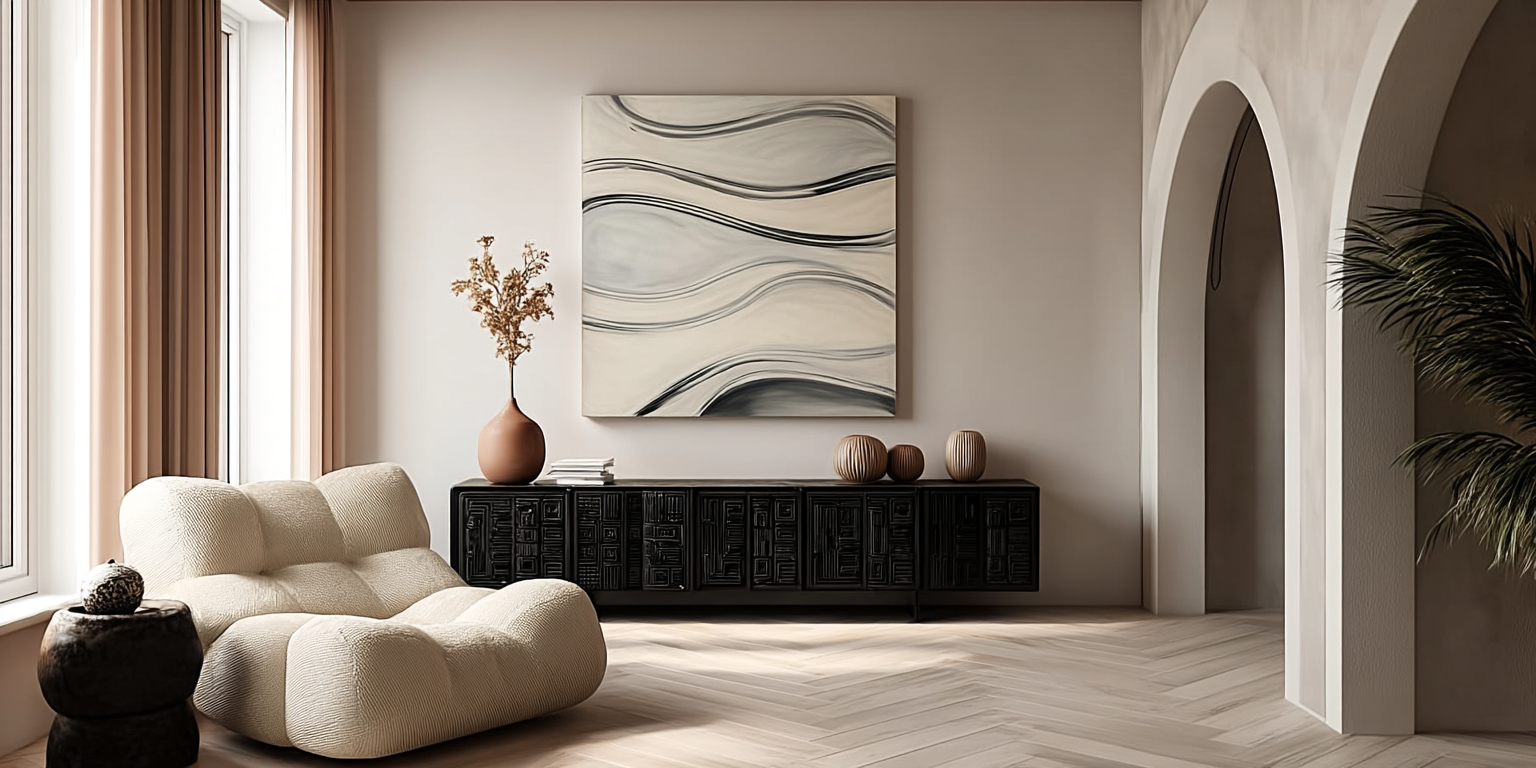

9 Living Room Accent Wall Ideas
In the dynamic world of home design, accent walls are one of the most varied elements. This attractive wall art has become an important part of home decor. It allows people to infuse their own style and preferences in the living room or any other room. Interior accent decorative wall combines focal point, wall art decoration, and creative outlet. It is a wall that is purposely created to stand out in an interior space. Thus, creating an accent wall for your living room can result in a personalized living space. Whether it's bold colors, mesmerizing patterns, or captivating textures, wall art decor from Art Nouveau Vision can provide homeowners and decorators with endless possibilities. This can allow them to better express creative ideas and transform their living room into a glamorous haven. For those looking to incorporate a bohemian touch into their space, check out the collection of Boho Wall Art for creative and eclectic designs. Alternatively, if you're focusing on the bedroom, explore the Bedroom Wall Art to add a personal and cozy touch. 1. 9 Living Room Accent Decorative Wall Ideas Living room accent walls offer more options for those who want to enhance the design of their home. Next, we will explore some accent wall ideas that are both creative and affordable. We will take you step-by-step through a variety of wall art decor designs that will revitalize your house. These wall decorating ideas include bold color choices and intriguing textures. Your imagination can be stimulated through striking patterns and clever repetitions. Then, you can choose an affordable way to customize your interior living space. Whether you're a seasoned DIY enthusiast or looking for a weekend project, you're sure to find an accent wall art design that suits your style. Turn your home into a unique and personalized sanctuary. 1.1 Wooden Wall Art Decoration Wooden wall art decor is a rustic and appealing design idea. It is a perfect blend of modern design and handcrafted mastery. These wooden wall art can bring bold artistic expression and are perfect for decorating the living room. Art Nouveau Vision's wood wall art features an innovative 3D wall art design. As a result, their wall art highlights the natural beauty of wood. It can make your living room as elegant and beautiful as possible. 1.2 Artistic Stencil Accent Wall The art stencil accent wall is a striking design feature. It can utilize stencils to create detailed and visually appealing patterns or images on the wall. This method offers a wide range of creative options, from geometric shapes and floral themes to detailed murals and art deco. 1.3 Slat Accent Wall A slat accent wall is a unique interior design feature. It uses narrow strips of wood to create a visually pleasing textural pattern on the wall. These strips of wood should match the existing molding style of the interior. They are usually installed vertically or horizontally to add depth and character to the wall. 1.4 Wooden Decorative Walls A wooden accent wall can feature wood paneling or reclaimed wood on one wall of a living room, adding warmth, depth, and natural beauty. For more ideas, explore our guide on Contemporary Wall Art for Living Room. 1.5 Gallery Wall Display A gallery display wall is a trendy design feature that turns a wall into a display space for artwork and decorative items. It can create a dynamic and unique focal point in a room. Discover more about how to Decorate a Large Wall in the Living Room. 1.6 Wall Art Extravaganza A wall art accent decorative wall makes a focal point by displaying various wall art, prints, pictures, and decorative items. This can create a stunning visual effect that reflects the owner's personal style. 1.7 Modern Elegant Accent Wall The modern elegant accent wall embodies sophistication and modern style by incorporating luxurious materials like marble or minimalist wall panels. It is popular among those who appreciate upscale interior aesthetics. 1.8 Wallpaper Wall Decoration Using peelable wallpapers is a cost-effective way to create a visually appealing accent wall in the living room. Check out our tips on how to Choose the Perfect Wall Art for Your Living Room. 1.9 Fabric Accent Walls A fabric accent wall adds warmth, texture, and a touch of luxury. It can transform a living room into an inviting and cozy space. For more fabric wall ideas, explore Bedroom Wall Art for inspiration. 2. Summary Here are a variety of living room accent wall ideas that can transform your living space into a glamorous haven. Consider the perfect wall art, color palette, personal style, budget, and materials. Art Nouveau Vision is a top wall art brand that can provide you with a wide range of different wall art accents to help you create a distinctive living room accent wall.
Erfahren Sie mehr
Are Canvas Pictures Expensive?
In this world, the aesthetics of our living spaces have become an extension of our personalities. As a result, the search for ideal home décor is more prevalent than ever. In this search, canvas art prints have become a top choice for many art lovers. These wall art decorations combine sophistication and individual expression. However, there is one question that often comes to the forefront of consumers' minds: Are canvas pictures expensive? For those with a taste for classic and timeless pieces, explore our Vintage Wall Art collection. 1. Is Canvas Wall Art Expensive? Some people want to add a touch of personality to their living or working environment. And canvas paintings are an excellent choice. Canvas paintings are available in a wide range of prices to suit every budget and preference. This range reflects the many factors that can affect the final pricing of a canvas picture, including its origin and physical characteristics. 1.1 Size Factors One of the most important factors affecting the cost of a canvas picture is its size. Larger canvases require more material and take longer to produce. And this inevitably leads to a higher price. For example, a small tabletop-sized canvas or photo print may cost less than $100. At the same time, wall art that spans a wall may cost more than $1,000. If you prefer modern shapes and aesthetics, take a look at our Curved Wall Art selection. In addition, size has an impact on the price of materials as well as shipping and handling costs. This is especially true for oversized artwork that requires special packaging and transportation. 1.2 Quality and Technology The price of canvas art is greatly influenced by the quality of the canvas and the printing technique. Traditional cotton canvas is known for its durability and richness of touch. As a result, it tends to be more expensive than polyester canvas. Similarly, canvas prints that use fade-resistant archival inks are more expensive. This is because this material is more durable and long-lasting. Looking for something more structured? Check out our Geometric Wall Art for striking patterns and designs. 1.3 Value for the Artist The value of a canvas picture depends largely on the fame and recognition of the artist. Original or limited edition works signed by the artist are always more expensive. This is due to its rarity and potential investment value. 1.4 Customization and Add-ons Customized canvas paintings are usually more expensive, both in terms of size and frame. Customized framing options, especially those that use premium materials or intricate designs, can dramatically increase the overall cost. 1.5 Digital Influences The popularity of internet channels has made artwork more accessible to the general public. This allows more artists to reach a global audience without having to go through gallery representation. This shift has brought a new wave of canvas paintings to the market, and at generally lower prices. Looking to make a statement? Discover how Big Canvas Prints: The Easiest Way to Upgrade Your Space can transform your room. 1.6 Investing in Canvas Artwork While the initial cost of some canvas artwork can be high, it is also important to consider the potential long-term benefits. Good canvas artwork can appreciate in value over time. This makes it both a decorative choice and an investment. 2. Why Are Canvas Pictures So Expensive? If you want to understand the pricing of canvas artwork, you must first understand the materials required to create them. High-quality canvas and archival inks add to the cost of production. For oversized wall pieces, check out Great Big Canvas Wall Art: The Easiest Way to Upgrade Your Walls. 3. How to Choose the Right Canvas Picture When buying canvas paintings, it is crucial to consider the brand reputation. For consumers who are new to wall art decorating, striking a balance between quality and price can be difficult. Don't worry, Art Nouveau Vision can help you get the results you want. Visit wall art for more inspiration and choices. 4. Conclusion For some, canvas painting can be expensive. However, it is a versatile and affordable way to improve your home décor. The key to finding the artistic value of canvas paintings is to understand the various aspects that determine their cost and to look for quality and inexpensive options. 5. Frequently Asked Questions 5.1 Why Are Canvas Paintings So Expensive? Canvas is a quality material. And canvas printing is a process that uses special inks. It allows the ink to adhere firmly to the canvas and prevents it from drying. Due to the process and the materials used, canvas prints are usually more expensive. 5.2 Are Canvas Prints Good Value for Money? Canvas prints have a professional look that complements your environment. Moreover, you can see canvas prints in museum galleries and high-end interiors. Therefore, canvas prints can create the ideal atmosphere for any area.
Erfahren Sie mehr
What is the Golden Ratio for Hanging Art?
Decorating your home with wall art may revolutionize your living space. However, how you hang your artwork is just as important as the artwork you choose. The golden ratio is a time-tested method of achieving visual harmony. Generally speaking, the golden ratio refers to arranging items in a certain proportion to create harmony. For many artists, this mathematical formula is known as the “divine proportion.” It has been used in artwork, architecture, and design for thousands of years. Next, we'll come to a complete guide on the Golden Ratio for hanging artwork. Including tips on how to create balanced and visually acceptable displays. In addition, we'll cover the Golden Ratio for photo walls and the Golden Rule for canvas sizes. For those interested in abstract designs, visit our collection of Abstract Wall Art. 1. How Do I Calculate the Golden Ratio for a Photo Wall? The golden ratio is usually represented by the Greek symbol φ, which is approximately 1.618. This mathematical ratio can be seen in nature, art, and architecture. It is known for its natural and harmonious qualities. The golden rectangle is a shape whose sides follow the golden ratio. It is commonly used in art and design to create harmonious compositions. When used to hang artwork, the golden ratio can help produce a harmonious look that is both natural and eye-catching. On the other hand, the golden spiral is an extension of the golden section. It is another concept based on the golden ratio. It reflects recognizable graphic forms in nature, such as the nautilus shell. Therefore, the golden spiral can also be used to create harmonious compositions in art and design. To apply the golden ratio to a photo wall, first determine the focal point of the display. This could be a large centerpiece or an important object that you want to highlight. From there, you can arrange the other pieces around it while keeping the spacing and size ratio at 1.618. 1.1 Determining the Center of Focus Choose the focal point of your photo wall and set it at eye level. The height is usually about 57-60 inches from the floor to the center of the piece. This is usually considered the ideal viewing height for most people. For a clean and modern aesthetic, explore our Minimalist Wall Art collection. 1.2 Spacing and Alignment Use the Golden Ratio to guide the placement of additional pieces by placing them around the centerpiece. For example, if the centerpiece is 24 inches tall, then the pieces on either side should be 15 inches apart (24 divided by 1.618). This creates a sense of balance and visual continuity that is appealing to the eye. 1.3 Balancing Size When selecting artwork for a photo wall, try to choose a variety of sizes that fit the golden ratio. If you have a large focal element, then the surrounding sections should be proportionally smaller. This strategy ensures that no single element dominates, thus making the photo wall look more cohesive. Prefer geometric patterns? Take a look at our Straight Line Wall Art. 2. What is the Golden Rule of Canvas Size? The size of your canvas artwork is critical to achieving a balanced and visually appealing display. The golden rule of canvas sizing is to select artwork that fits the dimensions of the wall space while retaining the proportions dictated by the golden ratio. This creates a properly proportioned decorative effect. For more tips on how to hang wall art, visit hang wall art. 2.1 Measuring the Wall Space Start by measuring the height and width of the wall on which you intend to hang your artwork. This will help you calculate the maximum and minimum dimensions of the canvas work. If you’re considering natural materials, find out whether it’s appropriate to Hang Wood Carvings in the Bedroom. 2.2 Creating a Balanced Display Once you have determined the size of your centerpiece, you can apply the golden ratio to select complementary elements. This creates a visually appealing and balanced layout. 2.3 Consider the Function of the Room The purpose of the room will also affect the size of the canvas you choose. Larger-sized pieces that make a statement can serve as focal points and add drama to living and dining rooms. Smaller, more intimate pieces are perfect for bedrooms or dens. Learn How to Decorate a Large Wall for maximum impact. 3. To Summarize Hanging artwork in the Golden Ratio is therefore the traditional way to create a balanced and harmonious display in your home. If you understand the principles of the golden ratio and the golden rule of canvas size. Then you can design visually appealing arrangements that add to the beauty of your premises, such as a personal wall art gallery. These tips can help you easily create the desired look. Whether it's curating a photo wall or choosing the right size canvas. Let the golden ratio guide your creative process and transform your home with artfully assembled pieces. With these tips, you'll be well on your way to creating a beautiful and balanced art exhibit. At Art Nouveau Vision, we are committed to providing you with the right wall art to build the gallery of your dreams. Our range of wall art products is extensive and of the highest quality. As a result, you can rest assured that the Golden Ratio will be utilized in your art display. 4. Frequently Asked Questions 4.1 What is the Two-thirds Rule for Hanging Artwork? The two-thirds rule for hanging artwork means that the artwork should occupy approximately two-thirds of the width of the furniture or wall. This rule ensures that the artwork is proportionate to the surrounding elements, resulting in a balanced and visually appealing display. In addition, using the 2/3 rule in wall design helps to create a harmonious layout. This ensures that the overall picture is balanced and attractive. 4.2 What Are the 60-40 Guidelines for Hanging Artwork? The 60-40 rule for hanging artwork divides the wall into two distinct sections: one for the artwork and the other for the open space. This allows for a balanced and visually appealing display. The rule states that the artwork should occupy about 60% of the wall area. The remaining 40% is open space. Additionally, this principle can be applied to creating a gallery wall. You might consider stacking overlapping photos of varying sizes at the top and bottom to create a cohesive overall image. This strategy ensures that the artwork jumps off the page while keeping the wall and room manageable.
Erfahren Sie mehr
Exploring the Trends: Best-Selling Art in 2025
There are many exciting art trends coming up in the new year! Whether you're an art lover, collector, or just looking to add some gorgeous wall art to your house. You owe it to yourself to learn about the best-selling artwork of 2025. This will help you make the best choices when selecting art for your space. 1. What is the Future of the Art Market? The future of the art market seems to be bright, and technology is playing a major role in it. The advent of digital art has created new opportunities for artists and collectors. It is predicted that digital art will be even more popular in 2025. And more and more traditional artists will explore digital materials. In addition, art licensing is evolving. Especially in the areas of environmental art and sustainability. Keeping up with art licensing trends is crucial. This helps maintain a competitive edge in home decor and product manufacturing. In addition, artificial intelligence (AI) and machine learning are used to predict market trends. Moreover, it can help in art authentication and even the production of artwork. These technologies democratize the market by opening up artwork to a wider audience. However, classic art forms have not been forgotten. The tactility of a physical artwork is unrivaled. As more and more people work from home, they spend more and more time at home. As a result, the desire for wall art that improves the ambiance of a room is growing. If you're interested in modern takes on classic art, check out modern pieces. 2. Top Wall Art Trends to Watch in 2025 Next, it's time to take a look at the wall art themes that deserve to take center stage in the gallery. 2.1 Personalized Wall Art Personalized wall art is not just a fad, it's a revolution. It has changed the way we interact with art at home and in the workplace. According to Exploding Topics, 89% of marketers are seeing a favorable ROI when using personalization. This trend reflects a greater demand for personalization. Many people are looking for new ways to express themselves. And personalized wall art fills that need. Through sophisticated customization methods, artwork reflects personal views, passions, or memories. This can create a strong bond between the artwork and its owner. This customer-centered strategy improves the buying experience. In addition, it fosters a loyal clientele that cherishes customized artwork. The dynamic nature of personalized wall art promotes innovation in different themes, styles, and media. Artists and businesses push the boundaries of traditional art when seeking one-of-a-kind products. This can result in innovative, avant-garde designs that engage and inspire. If you're looking for minimalist takes on personalized art, explore minimalist designs. 2.2 Increased Interest in Textured Art The tactile and three-dimensional nature of textured art appeals to people. They add depth and interest to a space. Unlike flat prints or traditional paintings, textured art can produce a dynamic experience. This is because they allow the viewer to interact with them both visually and physically. For example, thick relief oil paintings and sculpted wall art are very appealing. This is because they can add an organic, handcrafted touch to an interior space. In addition, textured art is perfect for places where ambiance is important. Such as living rooms, hotel lobbies, and corporate reception areas. Homeowners like to use it to add personality to minimalist designs. And companies use it to show off their personality. 2.3 Ethical Art Movement Ethical arts are growing in popularity in 2025. They appeal to consumers who value supply chain sustainability and social responsibility. People are attracted to objects that show artistic talent but also reflect their own ideals. Examples include artisans who support fair trade and items that use environmentally friendly materials. Buyers value transparency in ethical art. This is because they know that their purchases contribute to positive change rather than mass production. In addition, the movement is inextricably linked to global activism. Many artists use their work to raise awareness of issues such as climate change and cultural preservation. This takes ethical art beyond decoration and makes a statement. Consumers appreciate how these objects generate discussion and understanding. This can therefore turn their homes into places of significance and advocacy. 2.4 Art Trends Based on Artificial Intelligence (AI) This style of art is making waves and capturing the attention of consumers in 2025. People love the way AI creates mesmerizing graphics that push the limits of traditional technology. Whether it's ultra-detailed digital paintings, whimsical compositions, or algorithmically generated sculptures. Artificial intelligence opens up new possibilities for art. 2.5 Art Made From Natural Materials There is a growing enthusiasm for art made from natural and organic materials. Consumers appreciate the authenticity and environmental friendliness of works made from wood, stone, and recycled materials. These pieces have a raw, unpretentious style that contrasts with mass-produced designs. They are therefore favored by individuals seeking originality and sustainability. In addition to their aesthetic appeal, natural material artworks also link nature and traditional craftsmanship. Whether it is a hand-carved wood sculpture, a textile woven from natural fibers, or an installation made from raw stone. They all inspire a sense of belonging and harmony. 2.6 Popularity of Metal and Wooden Frames In 2025, there is a clear preference for framing wall art in metal and wood. This is in line with eco-conscious trends and adds a sense of luxury to the artwork. As people become more interested in sustainable products and eco-friendly materials. They tend to choose products that have the least impact on the environment. In addition, picture frames are vital for artwork display. This is because it has a great impact on the overall look of the wall art. Metal frames complement minimalist and colorful artwork. As a result, these modern and stylish wall art pieces are becoming increasingly popular. In contrast, wood picture frames have a classic and warm look. They range from rustic barn wood to polished mahogany. 3. Conclusion The art market is changing dramatically as the year 2025 approaches. Future trends in the market are driven by the need for personalization, sustainability, and technology integration. In addition, the art market is experiencing increased demand and recognition of the work of Aboriginal artists. This is evidenced by the variety of works represented at events such as Art Basel. Whether you're a seasoned collector or looking to add a unique touch to your house. Knowing the best-selling artworks of 2025 can help you make the best decision. If you’re exploring contemporary wall art styles, check out our collection of contemporary pieces. For a more classic feel, explore vintage wall art that complements your home decor. Art Nouveau Vision‘s wall art offers a wide range of possibilities for people looking for high-quality art. Here you can find pieces that will enrich your rooms while reflecting your ideals and lifestyle.
Erfahren Sie mehr
What Art Looks Good in a Dining Room?
Wall art is vital in creating the ambiance of any area, especially a dining room. This is where we usually enjoy special meals and commemorate various occasions. Therefore, we spend precious time with family and friends in the dining room. So, you may be wondering what kind of artwork is suitable for a dining room. The right wall art can transform a dining room from a functional space for dining to a visually pleasing and inviting space. Whether you prefer modern pieces, minimalist designs, or something else in between, picking the right artwork for your dining room can be an interesting endeavor. In this article, we will explore how to choose the ideal wall art for a dining room to fill in the blank walls. This can make a wide dining room wall look even more gorgeous. In addition, we will also discuss which styles of art are ideal for a dining room. Art Nouveau Vision‘s wall art will help you find the perfect piece of wall art. 1. How to Choose the Perfect Dining Room Art Decor? 1.1 Determine the Focal Point of Your Dining Room Every dining room needs a focal point, and your artwork will often take center stage. You need to determine which wall will be the focal point of the display. It could be above the buffet, it could be the wall opposite the entrance, or it could be the center of the dining table. 1.2 Choosing the Right Style Dining room artwork should echo the overall design of the house. Here are some popular styles and ways to incorporate them into your home. Modern: Brightly colored furniture in geometric shapes looks great in the dining area. Also, you can look for abstract art or minimalist designs. They add a splash of color without taking up too much space. Traditional Style: Landscapes, portraits, and still lifes are suitable for traditional dining rooms. These artworks give a feeling of sophistication and elegance. Eclectic: If your style is more eclectic, combine several styles and frames. This creates a vibrant and visually appealing area. Rustic: In a rustic dining room, choose artwork with natural elements or earthy tones. Consider prints of landscapes, wildlife, or plants to accentuate the warm and cozy atmosphere of the room. 1.3 Consider the Atmosphere of the Dining Room In addition, artwork can influence the atmosphere of the room. Therefore, you need to determine the atmosphere you want to create in your dining room. Relaxed: Choose artwork with soft colors and smooth designs. Landscapes, seascapes, and abstract paintings in soft tones help create a relaxing atmosphere. Vibrant: Bold, colorful artwork creates an energetic and vibrant dining space. Abstract sculptures with dynamic lines and vibrant colors can enliven the environment. Sophisticated: You can choose from black and white photography, classic portraits, and fine art reproductions. They can enhance the elegance and sophistication of the dining area. 1.4 Play with Color On the other hand, the colors of restaurant artwork can either complement or contrast with the current design. Here are some tips for using color successfully. Complementary Colors: Choose artwork that complements the main color of the dining room. This will make the dining room look harmonious and unified. Contrasting Colors: Choose artwork that contrasts with the color of the walls or furniture. This will highlight the artwork and provide visual appeal. Accent Colors: Use artwork to add accent colors to the dining room. This will bring the various parts of the dining room together and provide a sense of originality and movement. 1.5 Size and Proportions Your dining room artwork should be proportionate to the available wall space and furniture. Here's how to calculate the right size. Large Walls: For large empty wall areas, try using a single oversized piece or a gallery wall. This creates a focal point and successfully fills the entire area. Small Walls: For smaller walls, choose smaller pieces or a combination of smaller pieces. This prevents the artwork from dominating the area. Above Furniture: When hanging artwork over furniture such as buffets or consoles, the artwork should be approximately two-thirds to three-quarters the width of the furniture. This will produce a balanced appearance. 1.6 Framing and Display How the artwork is framed and displayed can have a significant impact on its overall impression. Here are some suggestions for framing and displaying restaurant artwork. Frame Style: Choose a frame that complements the artwork and restaurant décor. Modern style frames should be sleek and simple. And ornate classic frames look great in a traditional setting. Framing: Framing can make the artwork stand out. It creates a border around the artwork, giving it a polished, professional look. Lighting: Proper lighting can enhance the artwork and create a dramatic effect. Therefore, you may consider using picture lights, track lights, or wall sconces to illuminate the artwork. 2. Create a Gallery Wall A gallery wall is the most popular choice for a dining room. This is because it allows for a flexible and dynamic display of many artworks. Check out these 12 Dining Room Wall Decor Ideas for inspiration. 2.1 Planning the Layout Consider the layout before hanging the wall artwork. Lay the artwork on the floor and arrange it until you have a pleasing composition. Here are some layout ideas. l Grid: Arrange the artwork in an organized grid format. This layout works best if the artwork is of comparable size and style. l Asymmetrical: If you want to create a more relaxed, eclectic atmosphere. Then, you can arrange the artwork in an asymmetrical design. For added interest, try different sizes and forms. l Centering: Place the largest piece first, and then place smaller pieces around it. This creates a focal point and balanced composition. 2.2 Mix and Match Don't be afraid to combine different styles of artwork and frames. Combining paintings, pictures, prints, and even three-dimensional objects can present a rich, layered look. Also, changing the type and color of the frame can help create an eclectic atmosphere. 2.3 Using Templates Make a paper stencil of your artwork and tape it to the wall. This allows you to visualize the arrangement. This allows you to change the configuration without drilling holes in the wall. Once you are happy with the layout, use a level and tape measure to make sure everything is straight and equally spaced. 3. Add a Personal Touch On the other hand, your dining room artwork should show off your personality. Here are some suggestions for adding a personalized touch Family Photos: Create a gallery wall with framed family photos. This adds a personal touch to the restaurant and makes it feel more intimate. Travel Memorabilia: Display artwork acquired during your travels. This will add a distinctive personal touch to your design. DIY Artwork: Consider making your own artwork. From simple paintings to more intricate crafts, DIY artwork can bring a personalized, handmade touch to your dining space. 4. Seasonal Updates Additionally, you can change the wall art in your dining room as the seasons change. For more ideas, see Wall Art for Kitchen Decoration. Here are some suggestions for seasonal artwork: Spring and Summer: Choose artwork with bright, bold colors and a floral or nature theme. This will give a bright, vibrant feel Fall and Winter: Choose artwork with warm, rich colors and cozy themes. This will create a warm and pleasant atmosphere during the cooler months. 5. Other Tips for Choosing Restaurant Art 5.1 Understanding Different Art Media When choosing artwork for your restaurant, it is important to understand the various art media. Each medium brings a unique texture, depth, and feel to the artwork. Here are some common art media and their characteristics. 5.2 Oil Paintings Oil paintings are known for their rich colors and textures. It can bring a luxurious feel to any dining room. This is because they often exude a classic, timeless appeal. 5.3 Watercolors They are often more subtle and light, with soft colors. As a result, watercolors can create a soft, relaxing effect for your dining room design. 5.4 Acrylic Paintings Acrylic paintings are adaptable and come in a variety of styles. They can have the look of oil paintings, but are usually less expensive and faster to produce. 5.5 Photography Black and white or color images can give your restaurant a modern, stylish look. Photography is a great way to incorporate personal touches, such as family photos or travel photos. 5.6 Prints Art prints, especially art microblock prints, can provide high-quality reproductions of famous works of art and modern works. They are usually less expensive than the originals while maintaining a sophisticated look. 6. To summarize Choosing the right wall art for your restaurant can showcase your personal style while improving the dining experience for you and your guests. With the tips and advice provided here, you'll be able to decorate your dining room walls in a way that will impress and inspire. Whether you prefer abstract art, geometric patterns, or modern pieces. Art Nouveau Vision can provide you with artwork that matches the design of your dining room.
Erfahren Sie mehr
Big Canvas Prints: The Easiest Way to Upgrade Your Space
In today’s world of ever-evolving interior design trends, it can be overwhelming (and expensive) to keep your space looking fresh and modern. But what if we told you that one of the easiest, most impactful ways to breathe new life into your home is also one of the most affordable? Yes, we’re talking about big canvas prints — bold, artistic, and surprisingly transformative. Whether you’re redesigning a living room, setting the tone in a hallway, or adding personality to a bedroom, oversized canvas prints are the go-to decor hack of interior designers, artists, and savvy homeowners. Let’s dive into why big canvas prints are the secret weapon for your next decor upgrade. Why Big Canvas Prints Work So Well Canvas prints strike the perfect balance between artistic sophistication and modern convenience. Unlike traditional paintings, which require expensive frames, specific climate conditions, or even insurance, canvas art is lightweight, durable, and easy to hang. Plus, thanks to advancements in printing technology, you don’t have to compromise on image quality — the textures and colors are rich, lifelike, and lasting. Imagine walking into a space where a single wall tells a story. A panoramic landscape in a dining room can create a sense of openness, while an abstract minimalist piece above a couch brings serenity and balance to your home. Big canvas prints don’t just decorate — they define the energy of a room. Choosing the Right Style for Your Space One of the best things about oversized canvas art is the sheer diversity in style. At ArtNouveauVision, collections range from nature-inspired compositions to bold abstracts — and everything in between. Here are a few of the most popular styles to consider: 1. Natural Warmth with Wood Wall Art Looking for something that blends organic elements with artistic flair? Wood wall art combines the earthy textures of natural materials with high-resolution prints for a rustic-meets-modern aesthetic. It’s perfect for farmhouse decor, cozy dens, or anyone craving a more grounded, earthy feel in their space. Picture a large canvas print of a misty forest printed on wood panels — the grain adds depth and character, making it feel handcrafted and unique. 2. Clean & Contemporary with Minimalist Wall Art Minimalist design has surged in popularity for a reason — it’s calming, elegant, and refreshingly timeless. A large canvas with clean lines, neutral tones, or subtle geometric forms can transform your office or bedroom into a tranquil retreat. For example, a black-and-white abstract stretched across a big canvas acts like a visual anchor, centering the room without overwhelming it. 3. Nostalgia & Charm with Vintage Wall Art If you love retro charm or timeless elegance, vintage-style canvas prints will feel like a warm hug from the past. From classic advertisements to aged botanical illustrations, these pieces add personality and a touch of history. A favorite choice for reading nooks and home libraries is a large canvas reproduction of an Art Nouveau travel poster — its elegant curves and bold typography turn a blank wall into a conversation piece. Framing: Yes or No? One of the most common questions about canvas art is whether it needs to be framed. The short answer? It depends on your aesthetic preferences. Some people love the crisp, gallery-style look of unframed canvas wraps, while others prefer a floating frame for added definition. For a full breakdown of options, check out our blog: Frame a Canvas Print. It covers everything from DIY tricks to choosing materials that complement your space. Canvas Art vs. Other Wall Decorations Why choose canvas over posters, decals, or acrylic prints? Canvas brings a tactile quality and depth that paper can’t match. It avoids glare, works with any lighting, and has a professional feel — making it suitable for both casual homes and more refined spaces. To see how it compares to other wall options, this guide is a must-read: the difference between canvas art and wall decoration Acrylic vs Canvas: Aesthetic Differences Acrylic prints have a shiny, modern surface, often used in tech-driven office spaces or ultra-modern homes. In contrast, canvas prints offer a softer, more artistic finish that blends well with both traditional and contemporary decor. If you’re still torn between the two, our comparison blog Acrylic vs Canvas Wall Art lays out the pros and cons for each medium so you can make an informed decision. Placement Tips for Big Impact Big canvas prints aren’t just for above the couch (although that’s a great place!). Here are a few strategic placements that can dramatically change your environment: Behind the bed: A horizontal landscape can substitute for a headboard or enhance a minimalist frame. Entryways: Welcome guests with a powerful first impression. Dining rooms: Try a set of three vertical canvases with botanical prints for an elegant gallery wall. Office spaces: Inspire creativity with abstract or motivational art. Remember, the scale of your art should match the space. A small canvas on a big wall gets lost, while a large print provides balance and presence. Real Transformations: Before & After Still not convinced? We’ve seen real homes completely uplifted with just one well-placed print. One customer transformed a dull white hallway with a 40x60 forest canvas — suddenly, it became a peaceful transition space instead of a forgettable corridor. Another added a vibrant 3-panel sunset over their dining table. Now it’s the centerpiece of their gatherings, setting a warm, welcoming tone. These stories and more are featured in our blog: The Easiest Way to Upgrade Your Walls. Final Thoughts: A Small Change with Big Results In a world full of flashy renovations and high-end decor trends, big canvas prints offer an easy, budget-friendly solution that doesn’t skimp on style. Whether you lean toward rustic wood, minimalist abstraction, or vintage elegance, there’s a canvas that fits your vibe. And the best part? You can swap them out with the seasons, your mood, or your evolving taste — no need to tear down walls or invest in new furniture. So the next time you feel the itch to upgrade your space, remember: the perfect piece of art might just be a click away. Ready to explore? Start with our beautifully curated collections on the home page.
Erfahren Sie mehr
Living Room Wall Art Decor: How to Instantly Upgrade Your Space
Your living room is more than just a place to sit—it’s a reflection of your personality, taste, and creativity. One of the easiest and most effective ways to elevate your space is by thoughtfully choosing wall art that transforms bland walls into a gallery of self-expression. Whether you're a fan of vintage charm, minimalist vibes, or eye-catching abstracts, there’s something for everyone. In this guide, we’ll explore how to select, position, and style wall art to breathe new life into your living room—no renovation needed. Discover why the right piece of art can be the instant upgrade you didn’t know you needed. Why Wall Art Matters More Than You Think Wall art is the soul of a room. It anchors the decor, sets the mood, and can instantly communicate a design theme. A plain wall can look unfinished or sterile, while a well-curated piece of artwork adds warmth, sophistication, or excitement. Let’s say your living room is outfitted in neutral furniture and soft lighting. Adding a bold piece of abstract wall art can inject vibrant energy and become the centerpiece of the space. On the flip side, a cozy, rustic living area could be beautifully complemented by vintage wall art that adds a sense of nostalgia and character. Start With the Basics: Size, Scale & Positioning Before choosing an art piece, it’s essential to evaluate your wall space. A large, empty wall behind your sofa? That’s your prime canvas. In that case, a triptych or an oversized print works wonders. Check out our guide on decorate a large wall in the living room for inspiration. As a general rule, art should take up about 60-75% of the wall space it’s intended for. Too small, and it’ll look lost. Too big, and it can feel overwhelming. Proper positioning—typically at eye level—is key to making it feel intentional. Matching Art to Your Style 1. The Vintage Aesthetic Do you love old-world charm, rich textures, and ornate details? Vintage wall art is perfect for adding a timeless feel. Think: 19th-century botanical prints, antique maps, or Art Nouveau illustrations. These pieces pair beautifully with wood accents, velvet upholstery, and layered textiles. Example: A distressed wooden frame showcasing a moody floral painting instantly adds depth and romance to a cottage-style or boho living room. 2. Sleek & Sophisticated Minimalism If you're more into clean lines, monochrome palettes, and modern silhouettes, minimalist wall art can help achieve that zen-like calm. Black-and-white line drawings, abstract shapes, or subtle geometric prints work well in Scandinavian or modern interiors. Imagine a white canvas with a single, sweeping black brushstroke—it’s dramatic yet serene, and makes a bold statement without the clutter. 3. Energetic Abstracts Abstract art is where emotion meets interpretation. Perfect for eclectic or modern homes, these pieces often use bold color and movement to spark conversation. If you're unsure which style suits your space, our blog post on contemporary wall art for living rooms breaks down how to balance modern sensibilities with timeless appeal. For a living room with gray walls and minimalist furniture, a splash of fiery red and orange in an abstract piece can turn the entire space into a warm, inviting area. Color Coordination: A Game-Changer Color isn't just about preference—it can influence mood, perception, and spatial harmony. If you want to create a relaxing atmosphere, consider blues and greens. Want energy and vibrance? Try reds, oranges, and yellows. But how do you choose the right hues for your space? Our post on which colors of abstract paintings are suitable for the living room dives deep into color psychology and design tips. A soft blush-toned artwork can soften a stark white room, while a rich navy abstract can make a beige or tan wall pop. Curating a Gallery Wall Can’t pick just one? You don’t have to! Gallery walls allow you to mix and match pieces to tell a more complex story. Combine portraits, landscapes, quotes, and patterns in varying frames and sizes. Keep a consistent theme—be it color, subject, or frame style—to avoid visual chaos. If you’re not sure where to begin, our home page is a great starting point for curating pieces that reflect your style. Tips for Choosing the Perfect Wall Art Still overwhelmed with options? Don’t worry. We’ve created a helpful guide on choose the perfect wall art for your living room to walk you through the process step-by-step. From measuring your space to selecting complementary art styles, it’s packed with actionable advice for every homeowner or renter looking to refresh their walls. Final Thoughts Your living room should be a place that delights you and welcomes guests with personality and charm. With the right wall art, you can achieve exactly that—without a major remodel. Whether you're drawn to the vintage elegance of classic prints, the calming simplicity of minimalism, or the explosive creativity of abstract styles, the art you choose becomes the voice of your space. So take your time, explore, and let your walls speak volumes. Which wall in your home is waiting for its perfect piece?
Erfahren Sie mehr
Great Big Canvas Wall Art: The Easiest Way to Upgrade Your Walls
Your walls are more than just structural boundaries—they're a blank canvas waiting for personality, story, and beauty. And if you're ready for a simple but dramatic transformation, there's no easier method than introducing great big canvas wall art. Whether you're aiming for modern flair, rustic charm, or vintage vibes, large-scale canvas art delivers instant visual impact with minimal effort. Let’s explore how oversized canvas art can completely change your space and why it's one of the smartest ways to elevate your home today. 1. Why Big Canvas Art Works Wonders in Any Room Large canvas wall art makes a space feel intentional, cohesive, and expressive. It draws the eye, sets the tone, and often becomes the centerpiece of the room. Example: A living room with minimal decor can instantly feel “designed” with a striking 48"x60" abstract canvas hanging above the sofa. Suddenly, the entire space feels complete—no extra furniture or clutter required. Big canvas art also helps with proportion. In larger rooms or those with high ceilings, small pieces often get lost. But a great big piece? It fills the space with balance and presence. 2. Wood, Minimalist, or Vintage? Match Art to Your Style Choosing the right kind of large canvas art is key to making your room feel authentic. Here are a few popular directions you can take: Love earthy textures? Try wood wall art. These pieces blend rustic warmth with bold visual presence, perfect for boho or farmhouse settings. Prefer sleek and clean? Minimalist wall art offers elegance with quiet confidence. Large minimalist canvases in black-and-white or neutral tones can modernize any space. Obsessed with nostalgia? Vintage wall art brings old-world charm and storytelling to your walls. A giant vintage travel poster or botanical print can become a time capsule in your home. 3. Where to Use Oversized Canvas Wall Art The beauty of large canvas pieces is their versatility. You can use them in nearly any room to add depth, color, and meaning. Living Room: Anchor your seating area with one central artwork that sets the color scheme. Bedroom: Use canvas art in place of a headboard or above dressers to add softness and sophistication. Dining Area: Oversized food-inspired prints or nature scenes can enhance the dining experience. Home Office: Inspire productivity with motivational quotes or calming landscapes printed large. Even your kitchen can benefit from a well-placed big canvas. For easy styling tips, check out our blog on Easy Ways to Style Kitchen Space. 4. Framing Tips for Large Canvases While many large canvas prints are beautiful unframed, adding the right frame can elevate the artwork even further. Floating frames or slim metal edges can give it a gallery-style finish without distraction. If you're unsure how to go about it, we recommend reading our guide on frame a canvas print—it's full of practical tips for a polished look. 5. Canvas Art vs. Other Wall Decorations Why choose canvas over other wall décor like tapestries or decals? Canvas prints provide a unique combination of texture, durability, and image clarity. Plus, they're often easier to hang and reposition than heavier alternatives. Want to dive deeper into the comparison? Read our post on canvas art vs. wall decoration to decide what’s right for your walls. 6. What Makes Canvas Special (Compared to Acrylic) You may be wondering: is canvas the best choice for a large statement piece, or should you go with acrylic? Canvas typically offers a more organic, painterly finish—perfect for warm or textured interiors. Acrylic, on the other hand, is glossy and modern, great for sleek or urban spaces. Explore both options in our breakdown of Acrylic vs Canvas Wall Art to make the smartest style decision. 7. Design Tricks: How to Style Large Art Without Overdoing It With oversized artwork, less is often more. Here are a few pro tips: Let the art breathe: Avoid cluttering the surrounding space. Give it room to shine. Pair with subtle decor: Complement your piece with neutral rugs, simple furniture, and subtle lighting. Stick to one focal point per room: If you’re using a giant canvas, let it lead. Don’t overwhelm the space with multiple large competing pieces. 8. Final Thoughts: Make a Big Statement with Ease If you’re looking for the most effortless way to completely transform a room, great big canvas wall art is your answer. It’s bold, stylish, and endlessly adaptable. Whether you're into earthy wood wall art, modern minimalist wall art, or character-rich vintage wall art, the perfect oversized piece is just waiting to become the heart of your space. Ready to upgrade your walls and change the feel of your entire home? Explore the collection that speaks to you—and don’t be afraid to go big.
Erfahren Sie mehr
Wall Art for Kitchen Decoration: Easy Ways to Style Your Space
Your kitchen isn’t just a place to cook—it’s where morning coffees brew, late-night snacks happen, and friends gather to laugh and share stories. So why not make it just as beautiful and inspiring as the rest of your home? One of the easiest and most impactful ways to elevate your kitchen’s aesthetic is with wall art. In this blog, we’ll explore easy, creative ways to style your kitchen with wall art that suits every taste—from cozy farmhouse vibes to modern minimalist charm. Whether you’re moving into a new place or looking to refresh a tired space, you’ll find practical tips and plenty of inspiration below. 1. Match Your Art Style with Your Kitchen Vibe Before picking out pieces, think about your kitchen’s overall style. Is it sleek and modern? Warm and rustic? Eclectic with vintage flair? Modern kitchens pair beautifully with contemporary wall art, featuring bold lines, abstract shapes, or even monochromatic palettes. Minimalist kitchens shine with minimalist wall art that adds interest without overwhelming. Think subtle tones, geometric shapes, and plenty of white space. For example, a clean white kitchen with stainless steel finishes may benefit from a splash of color via a bold, abstract canvas—something to add warmth and visual balance. 2. Lean into Kitchen-Themed Artwork Nothing speaks to the space like art that nods to food, cooking, or the joy of shared meals. Luckily, there’s an entire curated category of kitchen wall art that does exactly this. From illustrations of herbs and spices to playful quotes like "Good Food, Good Mood", themed art can enhance your kitchen’s personality while keeping it functional and cozy. Real-Life Idea: Imagine a breakfast nook adorned with three small framed prints—each showcasing a different coffee brew method in stylized graphic form. It becomes a coffee corner that’s not only practical but photo-worthy. 3. Use Art to Add a Pop of Color If your kitchen’s palette is neutral—think grays, whites, or beiges—art is a smart way to inject some life. Choose pieces with vibrant hues or contrasting tones to break the monotony. A triptych featuring oranges, yellows, or even aqua blue can turn a plain wall into the room’s focal point. Bonus tip: echo the colors in your wall art with smaller accents, like towels or countertop accessories, for a unified look. 4. Mix and Match Mediums and Layouts Don’t feel limited to just canvases. Wall art can include: Framed prints Wooden signs Wall decals or typography Hanging plates or sculptural pieces A gallery wall combining various formats can turn a blank space above your sink or stove into a curated masterpiece. Example Layout: Start with one larger central piece, then surround it with smaller items in a grid or scattered organic layout. Stick to a unifying theme or palette to keep it cohesive. 5. Choose Art that Sparks Emotion Art in the kitchen should bring joy—after all, it’s the heart of the home. Consider selecting pieces that hold personal meaning, reflect your values, or simply make you smile. If you’re drawn to abstract art, be sure to read our post on how to interpret the meaning of abstract art. It might just change how you see that bold canvas you’ve been eyeing. 6. Go Big with Statement Pieces Large wall art isn’t just for living rooms. If you have the wall space, an oversized piece can elevate your kitchen from basic to breathtaking. Example: A dramatic black-and-white print over a sideboard or dining area draws the eye and sets a sophisticated tone. Pair with minimal decor for maximum impact. For more ideas like this, check out our post on the 12 Best Kitchen Wall Decor Ideas—it’s packed with inspiration to help you rethink your kitchen layout. 7. Extend the Style into the Dining Area If your kitchen flows into a dining space, consider how your wall art transitions across the rooms. Coordinated artwork creates a sense of unity and makes both areas feel intentionally styled. Check out our guide to 12 Dining Room Wall Decor Ideas to help your kitchen-dining duo shine. 8. Keep Up with Wall Art Trends Kitchen wall art is just as subject to trends as the rest of interior design. In 2024, we’re seeing a rise in: Soft abstract shapes Earthy color palettes Retro-style prints Botanical illustrations Typography with personality Staying on top of what’s trending can help keep your kitchen looking fresh and current. Take a look at our deep dive into the popular trends in modern wall art to see what styles are stealing the spotlight right now. Final Thoughts Decorating your kitchen with wall art is a low-effort, high-impact way to express your style and make your space more inviting. Whether you’re drawn to sleek contemporary wall art, subtle minimalist wall art, or themed kitchen wall art, there’s something out there that’s perfect for your aesthetic. Ready to bring your kitchen walls to life? Start exploring your favorites and make your space as creative as the meals you make in it.
Erfahren Sie mehr