

ArtNouveauVision Blog

Mixing Art Styles: The Secret to a Stunning Space
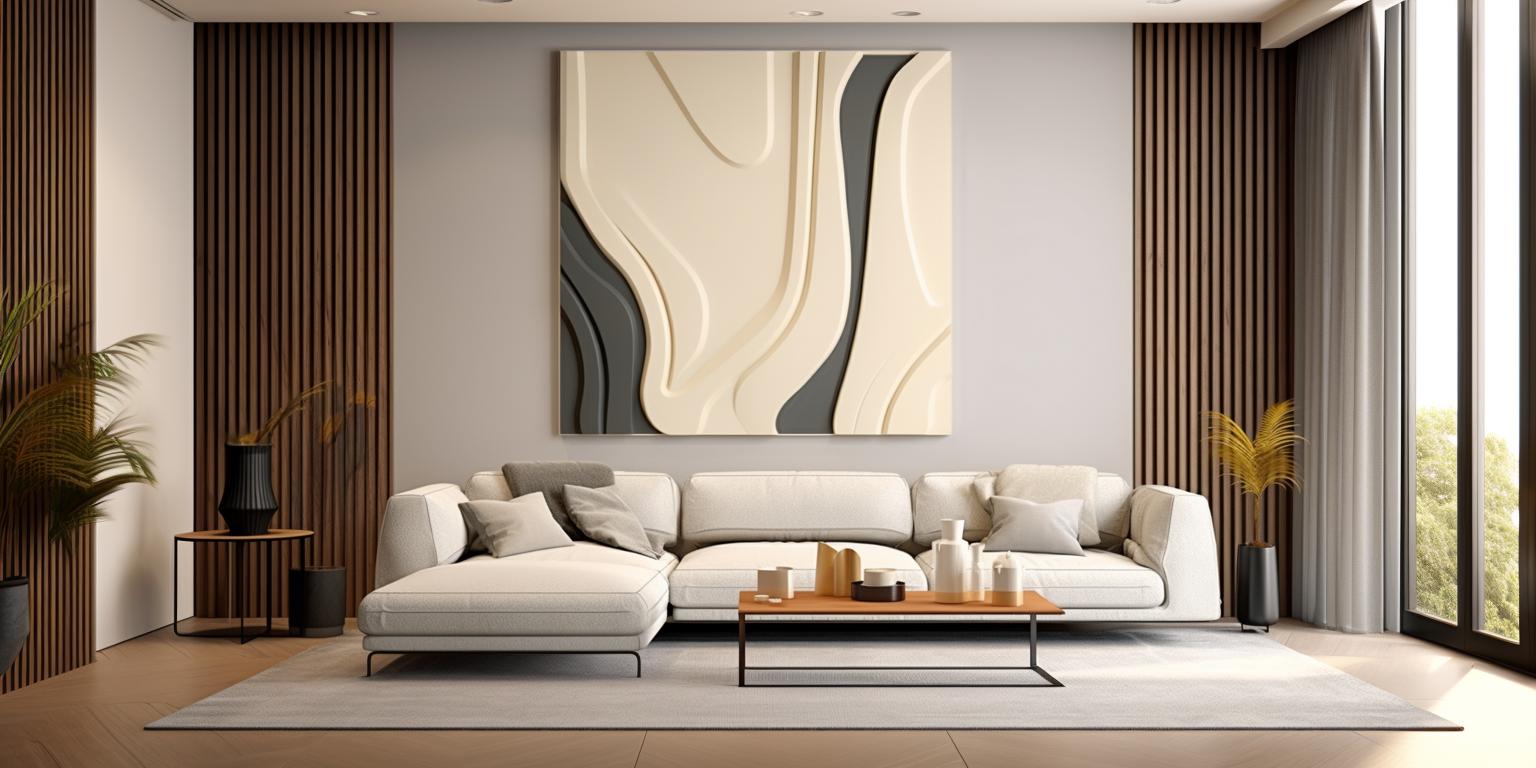
If you love modern art but also have a penchant for antique oil paintings. Or maybe you get bold abstract artwork, delicate pastels, and some travel photos. All of these works of art resonate with you. However, when you try to place them, your walls look like a thrift store rather than a carefully curated gallery. Mixing wall art styles is about strategy, not luck. When paired properly, different artworks add depth and personality, making the space completely your own. But how can you make mixing and matching look intentional rather than cluttered? That's going to take some finesse. Next, let's learn how to better mix wall art styles. This way, you can easily combine different designs to create a fluid environment. 1. Understanding Art Styles and Personalities First, you need to understand the different styles of art deco. Some artwork is bold and expressive and can draw attention to itself. Others are subtle and sophisticated, with a three-dimensional feel without overpowering. In addition, there are artworks that exude an air of mystery, dreaminess, and elusiveness. Once you know enough about these wall artworks, you can make sure they go together wisely. Here is the probability of common art styles: Abstract Art: This is artwork that is vibrant, colorful, and dynamic. Photography: It can enhance the realism and contrast of a room. Minimalist Art: It can bring a quiet, sophisticated, and balanced design style. Surrealism: It can challenge reality and inspire curiosity. Classic Oil Paintings: This type of wall art decor can bring rich texture and historical flavor to your room. Typography and Graphic Art: Bold, playful, and full of personality, it can create a contemporary interior design for you. Before you start hanging wall art, check the intrinsic connection between them. Common hues, textures, and even emotions may tie them together. 2. Finding Common Ground: A Recipe for Cohesion What’s the key to making multiple art styles blend together? You need to find what they have in common. Just like mixing music genres to create the ideal playlist. You can also consider blending different art styles together. The same approach applies to decorating using various art styles. You can find commonalities in wall art in several ways: 2.1 Color Harmony: The Ultimate Unity Identify 2–3 strong shades in your art decor. If your abstract artwork contains traces of gold, then look for pictures or minimalist prints with similar gold highlights. A black and white photograph is an excellent neutralizer. It can bridge the gap between bright and somber artwork. 2.2 Frame Consistency: The Unspoken Rule of Balance Matching frames give a stylish, sophisticated look. Mixing frame styles works best when one aspect of the frame is consistent. Examples include all black frames, all wood tones, or similar masking styles. 2.3 Thematic Connections: Unifying Styles Pair a variety of media with similar themes, such as floral artwork with nature photos. If you have travel photos, pair them with old travel posters. This gives a unified and varied effect. 2.4 Proportion and Placement: Keep the Visual Weight Balanced Large wall artwork should act as an anchor. To maintain balance, the heaviest visual elements should be placed at eye level or in the center of the gallery wall. Avoid placing all the bold pieces together. Instead, spread them out so they don't take over the room. 3. How to Arrange Artwork Without Clashing If you have already chosen your pieces and found a common thread, then you should be ready to hang them up next. But where should you put all these different styles of wall art? 3.1 Consider a Symmetrical Layout: Structured and Formal To achieve a neat look, frames should be consistently spaced from each other. Works well with photography portfolios, minimalist artwork, and similarly sized pieces. 3.2 Asymmetrical Layouts: Creative and Eclectic Start with a large “anchor” piece and gradually add smaller pieces around it. Combine vertical and horizontal elements to create visual movement. Utilize negative space to allow breathing room for each element. 3.3 Gallery Walls: The Ultimate Art Mixing Technique Before hanging any wall art, lay it out on the floor. Use painters' tape to mark the location of each component. Keep some spacing between each frame, about 2–3 inches should do. Once you have determined the placement, hang them on the wall. 4. Common Mistakes to Avoid Overcrowding: Not giving each piece of artwork room to breathe. Neglecting Proportions: Not adjusting the proportions of the artwork to the size of the space. Color Clash: Too many colors appear in the mixed wall artwork, resulting in a color clash. Mismatched Frames: Not adhering to a unified theme when choosing frames or liners. Random Placement: Not placing wall artwork according to the surrounding furniture and general layout. 5. Summarize Ultimately, your home should reflect your own personal style. Therefore, mixing art styles is not about following certain design guidelines. Rather, it's about creating a space that reflects your personality, experiences, and creativity. Find a common thread. Whether it's color, framing, or theme, having a unifying theme helps make different pieces feel unified. Then refer to the article for strategic layouts while avoiding common problems. Finally, trust your eyes and your senses. If it looks good and gives you pleasure, then it works! If you still have issues, then you can take expert advice for your space. At 3d wood wall decor, our experts can help you match your art style to ensure that your space has both personality and organization. 6. Frequently Asked Questions 6.1 Can I display modern and traditional artwork on the same gallery wall? Absolutely! Contrasting modern and traditional styles can produce an intriguing, well-curated look. The idea is to balance these elements, using similar color palettes or frames to connect them. 6.2 What can I do to keep a gallery wall from looking too busy? Stick to a theme, whether it's a unified color scheme, theme, or frame style. In addition, leave appropriate gaps between adjacent wall artwork to create a balanced visual rhythm. 6.3 Can I mix digital prints with original paintings? Yes, you can! Digital art and traditional paintings can co-exist. For contrast, they can be mixed with works of complementary textures. For example, put a matte digital print with a glossy oil painting. 6.4 How many different types of art can I incorporate into a space? There are no set guidelines. But three or four different styles of artwork are a good starting point. Beyond that, uniform features can be used to maintain wholeness. For example, the color of the wall art, the style of the frame, or the theme. Still figuring out wall art sizing? Check out our guide on the secret to choosing the perfect wall art size. Or browse more high-impact decor ideas for inspiration.
Learn more
The Secret to Choosing the Perfect Wall Art Size
When it comes to wall art decor, one of the most common questions is how big the art should be. It is important to choose the right size of wall art for your room. This facilitates the creation of a balanced and visually appealing interior space.The right proportions can give your room a new look, whether you have a large empty wall or a small corner. Here's a complete guide to measuring and choosing the ideal size for your wall art. 1. Why Choose the Right Size for Your Wall Art? Choosing the right size for your wall art can greatly affect its effectiveness. Artwork that is too small may be disconnected or out of proportion with the rest of the room. It may fail to attract attention and get lost in the visual commotion of its surroundings. On the other hand, artwork that is too large may overwhelm the space. This can make it appear cluttered or out of proportion. Finding the right balance will ensure that your wall art complements the other elements in the room, rather than competing with each other. In addition, well-proportioned artwork brings together furniture, decorative items, and architectural features. This allows them to create a sense of unity while still reflecting your personal style. Additionally, properly proportioned artwork can set the tone for a room. For example, in a living room, a large, stunning piece of abstract wall art can be the focal point of the room. Whereas a smaller, well-arranged piece of monochrome wall art can create a more intimate or design-oriented atmosphere. 2. Common Guidelines for Wall Art Sizes 2.1 2/3 to 3/4 Rule The 2/3 to 3/4 rule is one of the easiest and most effective ways to size wall art. This rule suggests that when hanging art above furniture such as sofas, beds, or consoles, the art should be approximately two-thirds to three-quarters the width of the furniture. Artwork that is too narrow can appear to be separated from the furniture. And artwork that is too wide may obscure the artwork hanging above it. Therefore, this ratio ensures that the artwork is proportionate to the furniture below it. This allows for a visually balanced interaction between the two. For example, let's say you have a 90-inch wide sofa. Based on this standard, the artwork should be 60 to 70 inches wide. Within this range, the artwork will neither overwhelm the sofa nor create abrupt gaps on either side of the sofa. The end result is a consistent, polished look throughout the space. To put this rule into practice, trace the proportions of the artwork on the wall above the furniture with painter's tape. This way, you can see how the artwork will look in various sizes before you buy or install it. 2.2 The Center of the Artwork Should be at Eye Level The optimum height for hanging artwork is to ensure that it is naturally aligned with your line of sight. This height will provide you with a pleasing visual experience. This is usually defined as a distance of 57 to 60 inches from the floor to the center of the artwork on the wall. This is because it is equivalent to the normal eye level for most people. By hanging artwork at this height, you can get a more comfortable viewing angle. This is because you don't need to tilt your head up or down while viewing. This guideline is especially effective in halls, foyers, and offices where people stand and walk around. 3. Adjust the Eye Level According to the Sitting Position If you want to decorate living rooms, dining rooms, and home theaters where people sit most of the time. Then, the height of the wall art should be slightly lower. This adjustment will allow the center of the artwork to match the sitter's eye level and ensure that the artwork is always the focal point. For example, when hanging artwork above a sofa, the center should be closer to 50-55 inches from the floor to accommodate a lower eye level. This creates a sense of balance and keeps the artwork from appearing disconnected from the function of the room. 4. Large Walls Require Large Wall Artwork For large blank walls, the key is to scale the artwork to the space. Whether it's a striking canvas or a carefully curated gallery wall. Large wall artwork helps to enhance the proportions and visual impact. For large blank walls, small, freestanding elements may seem out of place. Unless they are purposely incorporated into a minimalist design. As a result, appropriately sized art decor can become the focal point of a room. They can bring warmth and personality to an otherwise cold room. Consider adding warm colors wall art to bring vibrancy and comfort to expansive spaces. 5. Vertical or Horizontal Orientation? Choosing the direction in which to place your artwork can have a major impact on the feel of the space. Vertical pieces are perfect for narrow areas such as hallways, doorways, and windows. This is because they draw the eye upwards and give the impression of height. This can better emphasize the architectural features of a room. Horizontal artwork, on the other hand, is suitable for larger spaces such as over a sofa, bed, or dining table. Its wide nature can elongate the length of the room. This can connect larger pieces of furniture and make the interior design more coherent. 6. How Do I Measure and Dimension Wall Art? 6.1 Measuring the Wall Space Start by measuring the exact dimensions of the wall or the space where you plan to hang the art. This ensures that you know the maximum height and width that can be used. As a result, you will have fewer alternatives without having to guess. Accurate measurements are especially important for gallery walls and large artworks. 6.2 Calculating the Ideal Size For individual items, aim for a size that represents 60-75% of the wall area. For example, if your wall is 10 ft. wide. Then a 6- to 7.5-foot-wide piece will appear balanced and well-proportioned. When designing a gallery wall, begin by laying out the arrangement on the floor. This ensures that the overall ensemble will fit neatly into the proportions you have chosen. This strategy will help avoid surprises and make the end result more seamless. 6.3 Consider Furniture Distances Additionally, the interplay between the wall artwork and the surrounding furniture is critical. Allow 6-12 inches of clearance between the bottom of the artwork and the tops of furniture such as sofas, headboards, and consoles. This spacing ensures a sense of connection between the artwork and furniture without creating a sense of claustrophobia. Larger pieces may require less spacing to maintain proportion. Following this rule promotes balance and flow. 7. Popular Wall Art Sizes and Their Applicability Small (less than 24 inches): These pieces are suitable for tight locations. Such as in an entryway, niche, or as part of a gallery wall arrangement. They are best placed in pairs or groups for maximum effect. Medium (24-36 inches): These sizes of wall art are ideal for placement above a console or desk. They are versatile and can also be used as anchor wall hangings in large wall clusters. Large (36 to 48 inches): Large artworks are ideal as freestanding pieces on top of furniture such as sofas or beds. They add sophistication and become the focal point of a room. Oversized (48+ inches): Oversized art pieces are best hung on large walls or in open spaces. They can create an atmosphere of striking luxury. 8. Summarizing Choosing the right size for your wall requires a balance of functionality and aesthetics. The perfect piece will not only match the area but also improve the ambiance and design of the room. Whether you are hanging a large piece of wall art or creating a unified gallery wall, following these rules will ensure that your artwork complements the room.For further tips, check out our wall art size guide and learn more about the impact of the size and proportion of wall art on the visual effect of a space.
Learn more
High-Impact Decor Ideas You’ll Love
Redecorating your home doesn’t have to mean gutting a room or investing in expensive renovations. Sometimes, a single bold decision—like introducing the right piece of wall art—can completely redefine a space. Whether you're styling a brand-new apartment or refreshing a tired corner of your home, choosing impactful, expressive, and unique wall art is one of the most effective ways to add instant style and soul. At Art Nouveau Vision, we believe that walls are not just boundaries—they're opportunities. Through thoughtfully selected wall art decorations, your interior becomes a canvas of creativity, personality, and emotion. This comprehensive guide will walk you through how to make high-impact décor decisions using art for wall that aligns with your aesthetic, enhances your rooms, and elevates your everyday environment. 1. Define Your Style Through Wall Art Your space should reflect you—your mood, your story, and your inspirations. Before diving into color palettes or frames, it’s essential to choose a wall art style that complements your broader interior theme. Bold & Expressive? Make a statement with abstract wall art. These dynamic, often color-rich compositions add energy and dimension to living rooms, studios, and hallways. Minimalist & Calm? Minimalist wall art provides clarity and tranquility, allowing negative space to shine while enhancing mindfulness. Chic & Modern? If your interior is polished and current, contemporary wall art offers sleek design elements that merge seamlessly with modern materials and furnishings. By aligning your wall art painting with your room’s tone and personality, you create spaces that feel intentional, curated, and cohesive. 2. Custom Wall Art: The Ultimate Personal Touch While curated collections are beautiful, nothing feels more intimate than custom wall art. Personalizing your décor ensures that no two homes—or even two walls—are the same. Why go custom? Memory Preservation: Capture a special date, place, or phrase that holds personal significance. Color Coordination: Match the artwork with your furniture, rug, or architectural accents. Gifting Made Easy: A piece of custom wall art makes for unforgettable gifts that are personal, meaningful, and timeless. Whether it’s a hand-painted abstract design or a carved wooden piece with your initials, custom artwork adds value far beyond aesthetics—it brings story, sentiment, and soul. 3. Room-by-Room Art Strategy: Curate with Purpose Each room in your home has a different function, and your wall art decoration should support that purpose while adding beauty. Let’s break down how to choose the right art for wall based on your space. Bedroom Create a restful and reflective mood with soft hues, natural motifs, or elegant silhouettes. Explore the best bedroom wall decor art ideas to design a tranquil oasis that supports better sleep and deeper relaxation. Home Office Motivation starts with your environment. Decorate with invigorating colors, inspirational typography, or geometric forms. Our best office modern art decor ideas will help you strike a balance between creativity and productivity. Kitchen From morning routines to lively dinner prep, the kitchen is the heart of the home. Use best kitchen wall decor ideas to bring personality into this often-overlooked space. Think food-themed prints, botanical elements, or rustic woodwork. Dining Room Set the tone for connection and conversation with curated wall compositions. Whether you're hosting formal dinners or casual gatherings, dining room wall decor ideas will help you create a welcoming and artistic backdrop. 4. Elevate Texture and Material Choice Choosing wall arts made of unexpected or tactile materials can instantly make your space more sophisticated. Beyond paper or canvas, there’s a world of materials to explore: Metal Wall Sculptures: Sleek and modern with high visual impact. Textile Art: Adds warmth and softness—ideal for boho or cozy aesthetics. Carved or Layered Wood: Brings a natural, 3D effect to your walls. One standout option is 3d wood wall art. These pieces fuse organic textures with dimensional craftsmanship, perfect for entryways, living rooms, or anywhere you want to make a striking visual impression. Their shadow-play and depth change subtly with lighting throughout the day, offering a living, evolving art experience. 5. Master the Gallery Wall A gallery wall is a curated collage of wall art painting and prints that work in harmony. It’s a high-impact technique that allows for creative freedom and storytelling through multiple works. Here’s how to do it right: Choose a unifying theme: Whether it’s black and white photography, nature illustrations, or abstract pieces, unity matters. Play with size and shape: Contrast large and small frames to add rhythm and flow. Balance visual weight: Avoid clustering too many dark or heavy pieces in one area. Leave breathing room: Negative space is your friend—give each piece a moment to shine. Mixing in custom wall art or a textured sculpture can add depth and intrigue, turning your wall into a curated narrative. 6. Change It Up With Seasonal Art Rotations One of the simplest ways to keep your home feeling fresh year-round is to rotate your wall art decorations with the seasons. This strategy keeps your design dynamic and invites an emotional connection to the time of year. Ideas for each season: Spring: Floral prints, pastels, nature photography. Summer: Bright colors, beach or botanical themes. Autumn: Earth tones, dried botanical illustrations, rustic textures. Winter: Cool hues, minimalist abstract wall arts, and metallics. Changing just a few key pieces gives your home a makeover without the hassle of repainting or buying new furniture. 7. Placement and Lighting: The Finishing Touches Even the most stunning wall art can fall flat without the right placement and lighting. Consider the following best practices to maximize visual impact: Height: Hang artwork so the center sits at eye level—typically around 57 to 60 inches from the floor. Spacing: Leave about 2–5 inches between frames in a gallery wall for cohesion without clutter. Lighting: Use directional lighting, spotlights, or LED strips to highlight texture and color. Room Flow: Ensure artwork aligns with architectural features like windows, doors, or ceiling beams. Taking time to properly frame, hang, and light your pieces is what transforms “just a picture” into a powerful part of your design story. Final Thoughts: Let Your Walls Speak High-impact décor isn’t about excess—it’s about intention. With thoughtfully chosen wall art decorations, you can craft a home that tells your story, sparks conversation, and makes every room feel complete. Whether you favor abstract movement or minimalist serenity, rustic wood or sleek metal, large-scale wall art painting or curated gallery walls, your options are virtually limitless. Explore our collections to find everything from ready-made masterpieces to personalized treasures, and let your space become a reflection of your unique aesthetic. Start your transformation today with 3d wood wall art that merges natural beauty with modern design.
Learn more
3 Unexpected Art Nouveau Trends Making a Modern Comeback
At ArtNouveauVision, we’ve always believed art is a conversation — one that speaks across centuries, mediums, and cultures. In the midst of minimalism, brutalism, and ultramodern design trends, a graceful voice is rising again: Art Nouveau. Once considered a relic of the late 19th and early 20th century, Art Nouveau is reclaiming its space — not through direct revivalism, but through clever reinterpretation. You won't find gaudy gold trim or baroque overkill. Instead, you're seeing the spirit of Art Nouveau — nature, fluidity, femininity, and elegance — woven subtly into futuristic tech, sustainable design, and even digital environments. Below, we explore three emerging Art Nouveau trends that are reshaping how we think about modern aesthetics. They’re unexpected, forward-thinking, and yes — incredibly beautiful. 1. AI-Enhanced Nouveau: Nature Meets Neural Networks When Art Nouveau first emerged in the late 1800s, it was revolutionary. Inspired by nature, mythology, and organic movement, artists like Alphonse Mucha and Gustav Klimt created a visual language that broke away from the rigidity of the industrial age. Now, a new revolution is unfolding — and it’s powered by artificial intelligence. Artists, designers, and technologists are using AI platforms like Midjourney, DALL·E, and Stable Diffusion to breathe new life into Nouveau motifs. These tools allow for the generation of fantastical, intricate visuals that merge human creativity with machine precision. Imagine a stained-glass-inspired landscape where the flowers bloom with impossible geometry, or a Mucha-esque portrait infused with surreal, digital flourishes — delicate yet defiant, like Art Nouveau itself. AI doesn’t replace human artistry here — it amplifies it. And you don’t have to be a digital native to enjoy it. Our curated Abstract Wall Art features several works that blend this new digital aesthetic with classic Nouveau flair — bridging the gap between eras. Where It’s Appearing: AI-generated wall art for interiors Branding and album covers for fashion and music Digital tarot decks and mystical storytelling visuals Custom wallpaper and mural design Try This: Commission or generate your own Art Nouveau-style portrait using AI. Frame it in a vintage brass frame, and hang it alongside minimalist decor for a dramatic, postmodern contrast that bridges centuries. 2. Curves in Unexpected Places: Nouveau in Furniture & Object Design One of the defining features of Art Nouveau is the line. Not straight, not rigid — but flowing, looping, alive. This design principle is sneaking back into contemporary interiors, quietly challenging the straight-edged dominance of modernism. Designers are embracing curvature again — not for nostalgia, but for emotional softness and sensory richness. We’re seeing curvaceous velvet sofas, lamp bases that swirl like vines, headboards with petal-like silhouettes, and mirrors framed in asymmetrical whorls. Even in wall décor, geometric expression of organic lines is making waves. Our Geometric Wall Art captures this movement perfectly — clean forms shaped by natural logic, subtle curves in bold shapes, and a harmony that’s both modern and timeless. But it’s not just about beauty. Studies have shown that organic forms in furniture can create a greater sense of comfort and relaxation. There’s a reason we’re craving softness again — and Art Nouveau, with its biomorphic ethos, delivers exactly that. Where It’s Appearing: Sculptural accent chairs and love seats Light fixtures with flower-inspired stems Sustainable furniture brands using bent wood techniques Boutique hotels and high-end residential interiors Try This: Add one organically shaped piece — like a mirror with undulating curves or a leaf-inspired lamp — into a clean-lined space. Let it act as a visual "pause," softening the room while sparking conversation. 3. Digital Nouveau: The Rise of Animated Ornamentalism The Art Nouveau movement began at the turn of the 20th century. Now, at the turn of a new digital era, it’s finding a fresh playground: motion design and screen-based art. Whereas traditional Nouveau was static — locked in posters, glass, or architecture — today’s designers are animating it. Think swirling tendrils that move with the music, glimmering gold lines that pulse like veins, and floral motifs that bloom in seamless loops. This is Nouveau reimagined for the screen — immersive, hypnotic, alive. Our Straight Line Wall Art brings this philosophy into the physical realm — blending structured, modern visuals with the subtle echo of animated elegance, inspired by the flow of digital Nouveau design. From immersive retail displays to AR fashion to NFT collectibles, Art Nouveau’s ornamental charm is becoming dynamic again, and incredibly engaging for a new generation raised on visual storytelling. Where It’s Appearing: Visual identities for fashion houses and perfume brands VJ loops at art shows and music festivals AR filters and Instagram story graphics High-end website design and UI backgrounds Try This: Use a motion loop of animated Nouveau graphics as a digital background in your office or living space. Even better — project it at your next creative gathering or dinner party for an unforgettable, dreamy ambiance. Why This Matters: A Return to Emotion, Craft, and Nature So why is Art Nouveau coming back — and why now? In an era of increasing digital overload and environmental anxiety, people are seeking design that feels human, tactile, and connected to nature. Art Nouveau, with its emphasis on craftsmanship, organic form, and emotional resonance, is the perfect antidote to the sterile uniformity of algorithmic design. Our blog post on timeless elegance for modern spaces dives deeper into why Art Nouveau continues to resonate with today’s aesthetic sensibilities — offering a touch of soul in a streamlined world. Final Thoughts: The Future Is Fluid If you thought Art Nouveau was a thing of the past, think again. It’s not just reappearing — it’s transforming. From AI-generated visions to curvaceous furniture and animated art, we’re entering a new chapter of design history — one that honors nature, elegance, and imaginative freedom. We also recommend exploring a timeless trend of combining oil paintings and wood carvings, where traditional craftsmanship merges effortlessly with modern interiors — a perfect companion to the Nouveau rebirth. At ArtNouveauVision, we’re not just watching this transformation — we’re a part of it. Whether you’re a collector, a designer, or simply a lover of beauty, we invite you to explore, experiment, and let Art Nouveau inspire your world in ways you never expected. Because some things — like the curve of a line or the bloom of a flower — are timeless.
Learn more
Bringing Art Nouveau into Your Home: Timeless Elegance for Modern Spaces
Decorating your home is more than a task—it’s an act of self-expression. Every object, texture, and color you choose contributes to the emotional atmosphere of your space. While trends come and go, some aesthetics are timeless in their beauty and impact. One of these is the graceful, nature-inspired elegance of Art Nouveau. With its sinuous lines, floral motifs, and celebration of artistic craftsmanship, Art Nouveau remains a beloved style for those seeking to bring warmth, romance, and visual poetry into their homes. At ArtNouveauVision, we are passionate about helping people rediscover the enchantment of this turn-of-the-century movement. Through thoughtfully curated wall art and prints, we aim to transform blank walls into portals to an age of creativity, elegance, and artistic spirit. What Makes Art Nouveau Unique? Art Nouveau, which flourished between 1890 and 1910, emerged as a reaction against industrial mass production and rigid academic art. Instead, it emphasized organic forms, hand-crafted detail, and a deep connection to the natural world. It took inspiration from vines, flowers, waves, the human figure—especially the feminine form—and transformed these subjects into intricate patterns and flowing compositions. You’ll often recognize Art Nouveau works by: Elegant, curving lines that mimic the movement of plants and water Decorative borders and intricate, often symmetrical design Iconic female figures, such as those popularized by Alphonse Mucha Soft pastels combined with golds, rich jewel tones, or earthy hues Nature-infused symbolism, including butterflies, peacocks, irises, and the moon These qualities make Art Nouveau both captivating and comforting—ideal for creating a personal retreat that soothes the senses and stimulates the imagination. Rooms Transformed by Art Nouveau Living Room: Sophistication and Statement Make your living room the centerpiece of your artistic sensibilities. An oversized canvas or framed print in the Art Nouveau style can instantly elevate the space. For more inspiration, explore our guide to living room accent wall ideas. Choose a dramatic vertical composition like a Mucha portrait or a Klimt-inspired golden panel to draw the eye upward and create a sense of grandeur. Layer it with textures: velvet cushions, stained wood furniture, metallic accents. Balance intricate art with minimalist decor to avoid visual overload while maintaining a refined aesthetic. Bedroom: Serenity and Romance The bedroom should be a sanctuary—a place for softness and beauty. Art Nouveau lends itself perfectly to this space with its gentle color palettes and tender forms. A trio of floral illustrations above your bed, a dreamy female portrait in flowing robes, or even subtle botanical wallpaper can make your room feel like a romantic hideaway. Add soft lighting, curved furniture, and touches of lace or silk to fully embrace the mood. Home Office: Creativity and Calm Let your workspace inspire you. Art Nouveau wall art, particularly pieces with symmetrical floral patterns or natural motifs, can add a serene focus to your office. Prints of natural elements—tree branches, irises, dragonflies—help reconnect you with the outside world, offering a mental break from screens and digital noise. Looking to add charm to your home? These nature-inspired elements work beautifully beyond the office too. Framed posters with motivational quotes in Art Nouveau typography are another beautiful, functional touch. Dining Area or Kitchen: Charm and Character Even utilitarian spaces deserve art. Vintage advertisements, turn-of-the-century wine labels, and stylized illustrations of fruits and herbs can add visual interest and charm to your kitchen or dining room. Art Nouveau’s emphasis on everyday beauty makes it perfect for spaces where life happens. Try a gallery wall near the breakfast table or a single framed illustration above the stove or bar cart. Hallways and Entryways: Flow and Movement Because Art Nouveau is defined by flowing movement, it’s an ideal match for narrow vertical spaces. Install a tall panel print or series of mini-prints in a hallway to create rhythm and continuity. These often-overlooked spaces become transitions of beauty rather than empty corridors. Design Tips: Merging Art Nouveau with Contemporary Decor While Art Nouveau originates from a specific historical era, it’s surprisingly versatile in today’s interiors. Here’s how to make it work with your existing style: Minimalist Interiors: Use Art Nouveau as an accent. A framed botanical illustration or Mucha piece adds softness and personality. Industrial Spaces: Balance metal and concrete with the fluidity of Art Nouveau’s organic lines. Try wall murals or decals on exposed brick for a creative contrast. Vintage or Bohemian Rooms: Go bold. Combine multiple Art Nouveau pieces, layer textures, and don’t shy away from mixed patterns. Mid-century Modern: Choose more geometric or linear Art Nouveau designs—think stylized sunbursts, gold-framed pieces, or stained glass accents. Unify your look through repeated shapes—curved frames, floral motifs, and warm metallics—across furniture, textiles, and lighting. Spotlight on Iconic Artists and Motifs Alphonse Mucha: Arguably the most recognizable figure in the Art Nouveau movement, Mucha’s posters of elegant women surrounded by halos of flowers and symbols define the style. His works are perfect for bedrooms, studios, or vanity areas. Gustav Klimt: Known for his gilded, sensual works, Klimt adds richness and mystery to any interior. His pieces suit more opulent or dramatic decor schemes. René Lalique: Famous for glasswork, jewelry, and decorative panels, Lalique’s designs are great inspiration for lighting and fine decorative touches in your space. Floral and Animal Motifs: Irises, lilies, peacocks, dragonflies, and swans are all powerful motifs in Art Nouveau and can be echoed in both artwork and home accessories. Customer Inspiration: How Others Are Using Art Nouveau We love hearing how our customers incorporate Art Nouveau into their lives. Here are a few highlights: 🖼 @houseofhelen paired a Klimt-inspired print with emerald velvet drapes and brass wall sconces for a moody, luxurious vibe in her reading nook. 🌿 @citygardenflat used a gallery wall of botanical Nouveau prints to add natural warmth to her minimalist kitchen—proof that less can be more. 🛁 @rose_and_tile created a spa-like bathroom featuring Mucha tile decals above her clawfoot tub, with soft lighting and eucalyptus for a timeless, tranquil setting. Want to be featured? Tag us on Instagram @artnouveauvision or use the hashtag #MyNouveauSpace. Common Questions About Art Nouveau Wall Art Q: Will Art Nouveau clash with modern furniture?Not at all. The organic lines of Art Nouveau often soften the rigidity of modern or minimalist furniture, adding warmth and visual interest. Q: What’s the best way to frame Art Nouveau prints?We recommend wood or gold-toned frames for a traditional look, or matte black for a more contemporary contrast. Use mats to give your print breathing room. Q: Can I hang Art Nouveau prints in bathrooms or kitchens?Yes! Just make sure to frame them behind glass or use water-resistant materials to protect from humidity. Q: What size print should I choose?For a statement piece, go large (24x36 inches or larger). For gallery walls or smaller spaces, mix mid-sized (11x14) and small (8x10) prints for visual variety. Why Choose ArtNouveauVision? Unlike mass-market decor brands, ArtNouveauVision is committed to honoring the artistry and spirit of the Art Nouveau movement. Our prints are: ✔️ Professionally curated from both classic and modern sources✔️ Printed on high-quality, archival paper with rich inks✔️ Available in multiple sizes with custom framing options✔️ Sustainably produced and shipped with care Whether you’re building your first gallery wall or seeking the perfect piece to complete a room, we’re here to help. We also offer design consultations for customers looking to develop a cohesive Art Nouveau theme in their space. Conclusion: Make Every Wall a Work of Art Your home is more than where you live—it’s where you rest, create, dream, and celebrate. Surrounding yourself with beauty that speaks to your soul can elevate your everyday experience. Art Nouveau wall art invites you to live with elegance, nature, and history in every glance. Let your walls whisper stories of wonder.Let your rooms bloom with meaning.Let your style echo the artistry of a golden era. Explore the collection at ArtNouveauVision and bring home your next masterpiece.
Learn more
Wood Wall Art Buying Guide
Wood wall art is becoming increasingly popular among homeowners. This is because they can add warmth and character to their homes. Unlike other materials, wood has a natural, rustic appeal. Therefore, wood wall art can transform any space. If you want to add personality to your home with one-of-a-kind wood wall art, you've come to the right place — especially if you're exploring curved wall art styles for a unique visual impact. In this tutorial, we will cover the benefits of wood wall art and the wide variety of wood wall decor. Also, you can learn how to choose the right wood wall art and how to buy wood wall art easily from Art Nouveau Vision. 1. Why Choose Wood Wall Art? Wooden design has an unrivaled beauty that appeals to many homeowners. Its natural beauty, durability, and versatility make it perfect for a variety of design styles from rustic to modern. Here are some of the reasons why wood wall art decor is appealing: Timeless Beauty: Wood can bring timeless charm to any setting. Its warmth can soften the look of an area and make it more welcoming. Variety of Designs: Wood wall decor comes in a variety of styles. From detailed carvings to minimalist patterns, you can choose one that complements your specific aesthetic. Sustainability: Many wood wall art is made from sustainable materials. This makes them a beneficial option for shoppers who are looking to be environmentally friendly. Easy to Maintain: Wood is very easy to clean and preserve. This ensures that your decor will look good for years to come. 2. Types of Wood Wall Art When researching ways to decorate your house, there are various types of wood wall art decorations that can add color to your room. 2.1 Wooden Signage Wooden signs can add a personal touch to your decor. Whether it's an inspiring motto or a personalized last name sign. This wooden wall art can be the focal point of any area. 2.2 Wood Wall Panels Wood wall panels can be used to create beautiful accent walls. They can be painted, stained, or left unfinished to match your existing decor. These pieces are excellent examples of wood wall art that combine texture and utility. 2.3 Wall Artwork Wood wall art can be a statement piece. They usually feature beautiful carvings or abstract designs. As such, these artworks can enhance the layering and personality of a room. 2.4 Shelves Wooden shelves are not only useful but also attractive. You can place books, plants, or other items on the shelves. These shelves add functionality while personalizing your room. 2.5 Wooden Framed Mirrors Wooden-framed mirrors are both elegant and functional. These mirrors reflect light and make the room look bigger. In addition, choosing the right wooden-framed mirrors will complement your interior decor. 2.6 Wood Carvings Wood carvings can bring dimension to your décor. Whether they are trendy abstract shapes or traditional figures, these items can attract attention. For those who enjoy nostalgic or historical motifs, vintage wall art may be a fitting complement to wood carvings. 3. Tips for Choosing the Right Wood Wall Art Choosing the right wood wall art requires careful research. Here are some guidelines to help you make the best decision: 3.1 Consider Your Space Evaluate the room in which you intend to place your art decorations. You need to consider the size of the walls, the current color, and the choice of furniture. Large pieces of furniture can make a statement in a spacious area. While small pieces of furniture are suitable for narrow corners. 3.2 Fit Your Aesthetic Make sure the tone and design of the wood complements your overall décor. For example, reclaimed wood complements a rustic or farmhouse theme. Whereas smooth painted wood suits a modern design. 3.3 Focus on Quality When buying wood wall art, pay attention to the craftsmanship. High-quality products last longer and look better. Brands such as Art Nouveau Vision can provide quality wall art accents. 3.4 Choose Functional Products You may also want to consider adding practical elements such as shelves or hooks to your design. This will make the best use of the space and add a sense of style. 3.5 Personalized Style Don't be afraid to personalize your home design. You can choose wall art decorations that reflect your interests or style. They can better decorate the house and make your home more personalized. 4. How to Choose the Right Size of Wall Art? In addition to choosing the right type of wall art, it is also important to choose the right size of art decoration according to the size of your space. The following are common wall art sizes. 4.1 Mini Mini wall decorations are usually 10-17 inches in diameter. While pieces of this size can be displayed individually. However, they are often grouped together or designed to be part of a gallery wall. 4.2 Miniature Wall decorations that are 18-24 inches in diameter are classified as miniature. Small wall art is often paired together. This can make your gallery wall look great. 4.3 Medium Medium wall decorations are defined as being between 25 and 32 inches in diameter. These pieces of art are large enough to stand alone in most places. In addition, they can be used as part of a large wall gallery. 4.4 Large Wall decorations between 33 and 40 inches in diameter are considered large. Most spaces can be completed with just one large wall art piece. In most cases, these artworks should not be displayed on the gallery wall. 4.5 Giant Wall decorations 41 inches or larger are considered jumbo. Oversized wall art can be a focal point on a wall. However, these items may be too large for a small room. For more tips on choosing oversized artwork, refer to guide to buying large wall art. 5. How to Maintain Wood Wall Art Decoration You might also find this a comprehensive guide about wood wall art helpful for ongoing care and inspiration. Once you have settled on wood wall art, it is important to keep it in good condition to ensure its longevity. Here are some maintenance tips: 5.1 Regular Dusting Regular cleaning will keep your wood wall art looking beautiful for a long time. You can use a light, dry cloth to dust your wooden decorations. This will prevent dust from accumulating and keep it clean. 5.2 Avoid Direct Sunlight Direct sunlight can cause the wood to fade and warp. If necessary, place decorations away from windows. Also, you can apply UV protection paint to wood wall art. 5.3 Use Appropriate Cleaning Agents For a more thorough cleaning, use a damp cloth and mild soap. It is important to note that you should avoid using caustic chemicals that may damage the finish. When cleaning is complete, be sure to dry the wood completely. 5.4 Applying Wood Polish Regular application of wood polish helps to maintain a glossy finish and protects the wood. Choose a product that matches your finish. If in doubt about this, you can ask your supplier. 6. To Summarize Wood has a timeless appeal and versatility that can be easily incorporated into any decorative style. Therefore, purchasing wood wall art is a great way to enhance the beauty of your home while showcasing your personality. With Art Nouveau Vision, it's easy to explore the possibilities and make sure you find the right piece for you. Carefully consider your space, work with your aesthetic, and choose the right wall art. You'll be able to make your home more comfortable and beautiful. What are you waiting for? Enter the world of wood wall décor now and see how these amazing products will transform your home.
Learn more
How to Hang Art on Concrete Wall?
You may feel that it can be difficult to hang artwork on concrete walls. But with the right tools and techniques, you can safely display your favorite wall art without damaging the walls. Check out our Geometric Wall Art collection. Whether you are decorating an office, a basement, or a house with concrete walls. This article will show you the best way to install them in a sturdy and elegant way. 1. Choose the Right Hanging Method Since concrete walls are harder than plasterboard. Therefore, you can't use traditional nails to hang wall art. Typically, there are three common ways to hang wall art on concrete walls. Depending on the weight and size of the item, you can use sticky wall hooks, hard wall hooks, or masonry screws. 1.1 Sticky Wall Hooks Sticky wall hooks are best for hanging small photos and lightweight wall art. See our selection of Minimalist Wall Art. Discover more options in our Contemporary Wall Art collection. They have an adhesive base that sticks firmly to the wall. Depending on the brand, adhesive wall hooks can typically hold up to 6 pounds. So if you don't want to drill holes in a concrete wall, sticky wall hooks are ideal. Even better, they are very easy to install and can be done in less than a minute. Here are the steps for using sticky wall hooks: First, clean the area where you will be using the sticky wall hooks. Make sure the concrete wall is clean, dry, and free of grease. Once the clean area is dry, mark the wall where you want to install the sticky wall hooks. Remove the liner paper from the back of the sticky wall hook and press firmly. Rubbing or sanding the adhesive with a hard, smooth object will better activate the adhesive. Wait 24-48 hours before hanging any wall art. This will allow the adhesive to properly adhere to the wall. It is important to note that if your wall art is heavier than the weight-bearing capacity of the adhesive wall hooks. Then, you will need another hook with more support. 1.2 Hard Wall Hooks Hard wall hooks are also known as hard wall plastic hooks. These are concrete art hooks that are fastened to the wall using small metal nails. They are suitable for concrete, cement, cinder blocks, thin plaster over concrete, small smooth tiles, soft stone, and hardwood. Common hard wall hooks are available in small and large sizes, with weight capacities of 20 lbs and 30 lbs, respectively. Additionally, these hooks are more advanced than adhesive wall hooks, but just as simple to use. Installation requires only a hammer and two minutes of your time. First, hold the back of the hard wall plastic hook against the wall with your thumb and index finger. Keep the hook as tight and stable against the wall as possible. Simultaneously, hammer all the pins into the wall. Watch your fingers during this process. Stop hammering when all the pins are flush. Excessive hammering will weaken the grip of the hook. To remove the hook, slide a small blade between the wall and the back of the hook and gently peel it off. It is important to note that discard any removed hooks and do not reuse them. On the other hand, for heavier and larger wall art, you will need to use something more sturdy, such as masonry screws. 1.3 Masonry Screws Also known as concrete screws, these durable hangers are used for concrete, concrete block, brick and mortar applications. These little things have a pointed head that can be driven right into the concrete. Masonry screws are strong enough to suspend framing when driven 1 ¼ to 1 ½ inches deep into a wall for maximum holding power. While masonry screws and concrete walls can be a daunting combination. But knowing all about them is essential if you want to install larger wall artwork with ease. You may wonder if it is suitable to hang wood carvings in the bedroom. Moving on, let's learn how to use masonry screws: First, decide where you want to place the picture or artwork. Then mark the location of the holes. Prepare an electric drill by attaching an appropriately sized masonry bit to a hammer drill. The holes should be drilled ½ inch deeper than the screws. This ensures that the screws will not bottom out in the hole. Drill the pilot hole at the slowest speed possible. Hold the hammer drill so that it is perpendicular to the wall. Remove the drill occasionally and remove dust with compressed air or a vacuum cleaner. When the hole is free of debris, place the bit back into the pilot hole and drill at medium speed. Stop when the desired depth is reached. Finally, insert the masonry screws and you're done. Then, you're ready to hang pictures and artwork on your concrete walls. Discover how to hang wall art without nails. Learn more about how to hang wall art. We know concrete screws look great, but they're not the only hardware available. Next, let's take a look at other ways to hang wall art on concrete walls. 2. Other Masonry Hanging Hardware In addition to standard picture frames, there are many other masonry hardware options available. Examples include sleeve anchors, recessed anchors, and split drive anchors. They allow you to hang large mirrors, wall art, shelves, and other heavy items on concrete walls. You can find these tools at your neighborhood hardware store. Here is what you should know: 2.1 Concrete Screws These are 3/16-inch screws with Phillips and hex heads. They are heavy-duty screws for quickly and securely fastening things to concrete walls. 2.2 Brick Clips These hooks allow you to hang photos or artwork on a brick wall without having to drill holes in the brick. They have a weight capacity of 25 pounds and are only suitable for brick walls with recessed mortar joints. In addition, brick clips need to protrude at least 1/4” from the brick wall to be securely fastened. 2.3 Wall Anchor Screws This hook is a screw and anchor in one. It can be used on drywall, plaster, brick, and concrete. Wall anchor screws have stronger threads and therefore have more holding power than regular screws. 2.4 Guide Anchors These anchors are designed for #10-#14 screws and can be installed in brick, concrete block or concrete walls. 2.5 Premium T Anchors It can be used to install a wood frame on a brick or concrete wall. They are optional, but their purpose is to keep the frame strong, burglar-proof, and prevent it from tipping over. 3. Summary While hanging wall art on a concrete wall may be overwhelming at first. However, all you need are the right tools and concrete art hanging pieces. With these tools and tips, you can create a beautiful space on a blank wall. Explore our complete selection of wall art.
Learn more
Bathroom Wall Art Tips Guide
Wall art is often forgotten when it comes to bathroom decor. Who has time to look at art on the wall while they brush their teeth? Bathroom wall art, on the other hand, can turn a plain and dull bathroom into a personal paradise. Imagine coming into your bathroom and seeing a beautiful piece of art. You might feel like you're on a warm beach or in a quiet forest. The right piece of wall art can set the mood and make the space feel calm. Plus, it can make the things you do every day feel like a spa day. Read on for a more in-depth look at bathroom wall art and discover its endless charms. 1. How Wall Art Can Enhance the Beauty of Your Bathroom The right wall art can bring together all the features of your bathroom, from the color palette to the overall theme. It can add a splash of color to a monochromatic bathroom or a touch of sophistication to a minimalist area. You can strategically place an geometric painting in your bathroom. It can complement the color of the towels. Alternatively, an antique photograph can add nostalgia to your modern bathroom. The right wall art not only improves the look of your bathroom but also expresses your unique style and preferences. A quiet piece of landscape art can take you to a peaceful haven. A whimsical sculpture, on the other hand, may bring an element of vividness to your bathroom. Imagine bathing in a bathtub surrounded by artwork that puts you in a happy mood. It would be an unforgettable experience. Studies have found that visual stimuli such as art can have a significant impact on our mood and health. Having the right wall art in your bathroom can give you a sense of calm. This can help you relax and stay in a good mood. Finally, bathroom wall art is more than just a decoration. It has the ability to turn your bathroom into a place of relaxation and self-expression. So the next time you're thinking about bathroom decor, remember to give wall art the attention it deserves. Whether you want something bold and lively or subtle and understated, Art Nouveau Vision has a large selection of wall art to suit your aesthetic preferences. 2. Factors to Consider When Choosing Bathroom Wall Art Now that you have understood the importance of bathroom wall art. Then let's discuss some of the factors that you need to consider before making a purchase. After all, you don't want to buy art that doesn't go well with your bathroom décor. 2.1 Evaluate the Bathroom Space Before you start looking for wall art, take a close look at your bathroom. Consider the size and layout of the room. Is it small and cozy, or spacious and grand? This will help you determine the size and dimensions of the artwork you are looking for. Keep in mind that you don't want a huge piece of art to take up an entire wall. This is because it will overwhelm a small bathroom. Likewise, a small painting may be lost in a spacious bathroom. Finding the ideal balance can make your bathroom more beautiful and comfortable. For more details, check the complete guide to buying large wall art. 2.2 Matching Bathroom Decor with Artwork Next, arrange your artwork and bathroom décor so that they complement each other. Consider the colors and styles of current bathroom elements (tile, shower curtains, vanities) and look for artwork that matches. If your bathroom has clean lines and a minimalist feel. Then consider abstract art or black and white photography. On the other hand, if your bathroom is more on the vintage or rustic side. Then, you can choose artwork with warm colors and nostalgic vibes. 2.3 Consider Humidity and Temperature Considering humidity and temperature is a practical aspect of choosing bathroom wall art. Bathrooms are notorious for being humid, so choose artwork that can survive in this environment. Metal murals and canvas prints are good choices. This is because they are moisture resistant and will not warp or fade. Imagine a wonderful watercolor painting turning into a watercolor stain in just a few weeks. This is a horrible scenario that no one wants to experience. 3. Explore Different Types of Bathroom Wall Art Now, you have a clear idea of what to consider. Then, it's time to delve into the vast world of bathroom wall art. From framed prints to metal sculptures, the options are endless. As a professional wall art company, Art Nouveau Vision can provide you with the art decor you need. 3.1 Framed Prints and Photographs You can opt for classic wall art decor: framed prints and photographs. These timeless pieces will never go out of style and can elevate any bathroom. Whether you prefer landscapes, abstract art, or vintage pictures. There's a framed piece of art waiting for you to enjoy on your bathroom walls. One thing to keep in mind is that you'll want to make sure that these wall arts have moisture-resistant frames. 3.2 Metal Wall Art Metal wall art is a great way to add a touch of style to your bathroom. Metal sculptures and wall hangings can bring dimension to a bathroom. It creates a focal point and impresses guests. In addition, metal artwork has a long lifespan. It will last even in the most humid environments in the bathroom. 3.3 Canvas Art Canvas art is perfect for those who want art that is versatile and easy to hang. Canvas prints come in a variety of designs and sizes. In addition, they are easy to change if you want something else. Whether you want floral prints, abstract designs, or reproductions of your favorite masterpieces, canvas art has you covered. Keep in mind that it's important to choose high-quality canvas prints. These prints are specially treated to resist moisture and will remain beautiful for years to come. 4. Tips for Laying Out and Displaying Bathroom Murals Now, you have found the ideal bathroom wall art. Then, it's time to organize and display them. The proper way to hang wall art can make your bathroom more beautiful. 4.1 Create a Focal Point with Wall Art To fully highlight your artwork, choose a focal point in your bathroom. This will draw all eyes to it. It could be above the bathtub, near the mirror, or even on a bare wall that needs some work. This will ensure that your artwork takes center stage and makes a lasting impression. 4.2 Balance Size and Placement When it comes to artwork on your bathroom wall, size really matters. You want your artwork to be noticeable, but not overwhelming. If it's too small, it will be overshadowed by the bathroom tiles. If it's too big, it will take over the whole room and create a visual nightmare. 4.3 Mix and Match for a Unique Look There's no rule that says you can only use one piece of wall art in a bathroom. It's a form of self-expression, so there are no hard and fast rules. Don't be afraid to combine wall art from different styles, mediums, and sizes. 5. Summarizing These are the guidelines that show you how to decorate your bathroom with wall art. With these tips and a keen eye for style, you can turn your bathroom into a gorgeous piece of art. If you still have questions, you can contact us. Art Nouveau Vision can provide you with professional advice and help you choose the right wall art for your bathroom.
Learn more
14 Best Kitchen Paint Colors
Painting is an easy way to update your kitchen without a complete remodel. If you want to upgrade your kitchen decor quickly and easily, paint your walls using the right kitchen paint colors. White, gray, blue, red, yellow, and green are all excellent kitchen colors. Each hue has a unique impact on the room, and they all contribute to a warm and pleasant atmosphere.Next, let's move on to these suggestions for the best paint colors for your kitchen. These suggestions include both neutral colors as well as bright shades such as blue and green. The right mix of paint colors will surely brighten up your kitchen. 1. Cool Gray Kitchen In this kitchen, gray walls create a clean border around white cabinets. The kitchen continues the cool color palette overall, with a soft blue color appearing on the island. And stainless steel appliances add to the sleek style.Additionally, when choosing a gray kitchen paint color, consider the base color. This can determine whether you have warm or cool tones. 2. Navy Blue Kitchen Decor Using a bright wall color can add drama to an all-white kitchen. In such a kitchen, you can use navy blue paint for the walls. They stand out against white cabinets, countertops, trim, and tiles.In addition, you can use dark-colored caulking to outline the tile backsplash. This can contrast with the paint color choice. 3. Light Green Kitchen Walls You can also set an uplifting tone with a vibrant light green color. Emerald green walls can add a splash of color to a bright kitchen. You can pair your kitchen with sleek white cabinets and dark gray countertops. Sky blue and apple red accessories complete the bright color scheme.For more inspiration, check out our collection of kitchen wall art to complement your chosen color scheme. 4. Monochromatic Green Kitchen A rustic green color helps to create a relaxing atmosphere. You can paint a rich green color on the walls, cabinets, and range hood. This will surround the kitchen and create a relaxing effect. Warm accessories and bright white accents help to complement the cooler shades of green. 5. Cream-colored Paint for Kitchens Cream is a less harsh shade compared to dazzling white. This subtle beige color gives a warm feeling to both country and modern kitchens.You can base your island with a darker shade of paint or pair it with warmer wood tones. This popular kitchen paint color is versatile and complements almost any wood finish. Therefore, you can add natural wood cabinets and open shelves to your kitchen. 6. Mint Green Kitchen Ideas Using mint green in your kitchen evokes a sense of nostalgia. Using this pastel green color on the walls can bring a jump in color. You can even use this green color on the cabinets or island for a more subtle effect.For best results, place the mint green in a space with plenty of natural light, which will make it appear bright and pleasant. Add visual interest with curved wall art to enhance the soft, rounded aesthetic. 7. Warm and Neutral Kitchen You can use a paint between white and tan to decorate your kitchen. This warm and neutral color tone can give a pleasant feeling. You can install a bright yellow series and a turquoise tile backsplash in your kitchen. They can create a neutral contrast and make the kitchen more cozy.On the other hand, in such an open kitchen design, a small use of color can make it easy for you to keep the tone of the kitchen consistent. 8. Cream Yellow Kitchen Yellow is one of the best kitchen paint colors for creating a cozy atmosphere. Choosing a subtle shade of butter can give off a golden glow throughout the day. The light yellow walls of the kitchen look cheerful when combined with soft blue and bright orange accents.For more creative ideas, check out the best kitchen wall decor ideas for a stylish and welcoming space. 9. Light Blue Kitchen Paint Colors Take a cue from the sky and create a serene kitchen environment with soft, atmospheric colors. This light blue paint shade enhances the look of dark brown floors. In addition, it complements clean white cabinets, marble countertops, and classic tile.This hue highlights the distinctive architectural features of the kitchen. Complete the look with straight line wall art for a modern, linear aesthetic. 10. Neutral Gray Kitchen Adding eye-catching accents to a basic color can take it to the next level. If your kitchen has a vibrant blue island and a marine-style backsplash, paint the walls using taupe paint. This will provide a warm and understated backdrop for this kitchen. 11. Bright White Kitchen Walls Few kitchen paint colors last as long as fresh, clean white. For a warmer effect, choose a shade with a golden undertone. You can use this neutral paint shade on the walls and then add color with cabinets, light fixtures, and accessories.The combination of white walls, mint green cabinets, and brightly colored accessories can create a fun atmosphere in the kitchen. 12. Warm Taupe Paint Colors Taupe is a warm combination of gray and beige. It is a versatile color that suits any kitchen design. This neutral paint color can vary greatly depending on the intensity and proportion of gray-brown used.For example, you can use white beadboard paneling and khaki ceilings to balance the rich taupe color. 13. Cloud Blue Kitchen Cloudy blue paint shades add a splash of freshness to kitchen décor. This hue can highlight rich wood floors and complement white painted cabinets. When choosing a paint color, look to other elements of your kitchen for inspiration.For more ideas on adding personality to your space, explore wall art for kitchen decoration. 14. Dark Charcoal-colored Kitchen Additionally, you can embrace the beauty and elegance of black with a rich charcoal color. This deep color will never go out of style. Charcoal-colored walls provide an elegant backdrop for vintage furniture. For example, quirky chandeliers, refurbished wet bars, and colorful benches. 15. To Summarize Choosing a color scheme for your kitchen is similar to choosing a color scheme for other areas of your home. You can use the 60-30-10 method to choose a color palette that you'll love for a long time.Choose a color, such as warm white, to cover 60% of the surfaces in your kitchen, usually the cabinets. Then choose a secondary color, such as light blue, to cover the remaining 30%, usually the walls and ceiling.Finally, choose an accent color, such as bright apricot, for the remaining 10 percent of the space, which includes the backsplash, small appliances, and textiles.Visit Art Nouveau Vision to explore our curated collection of quality wall art.
Learn more